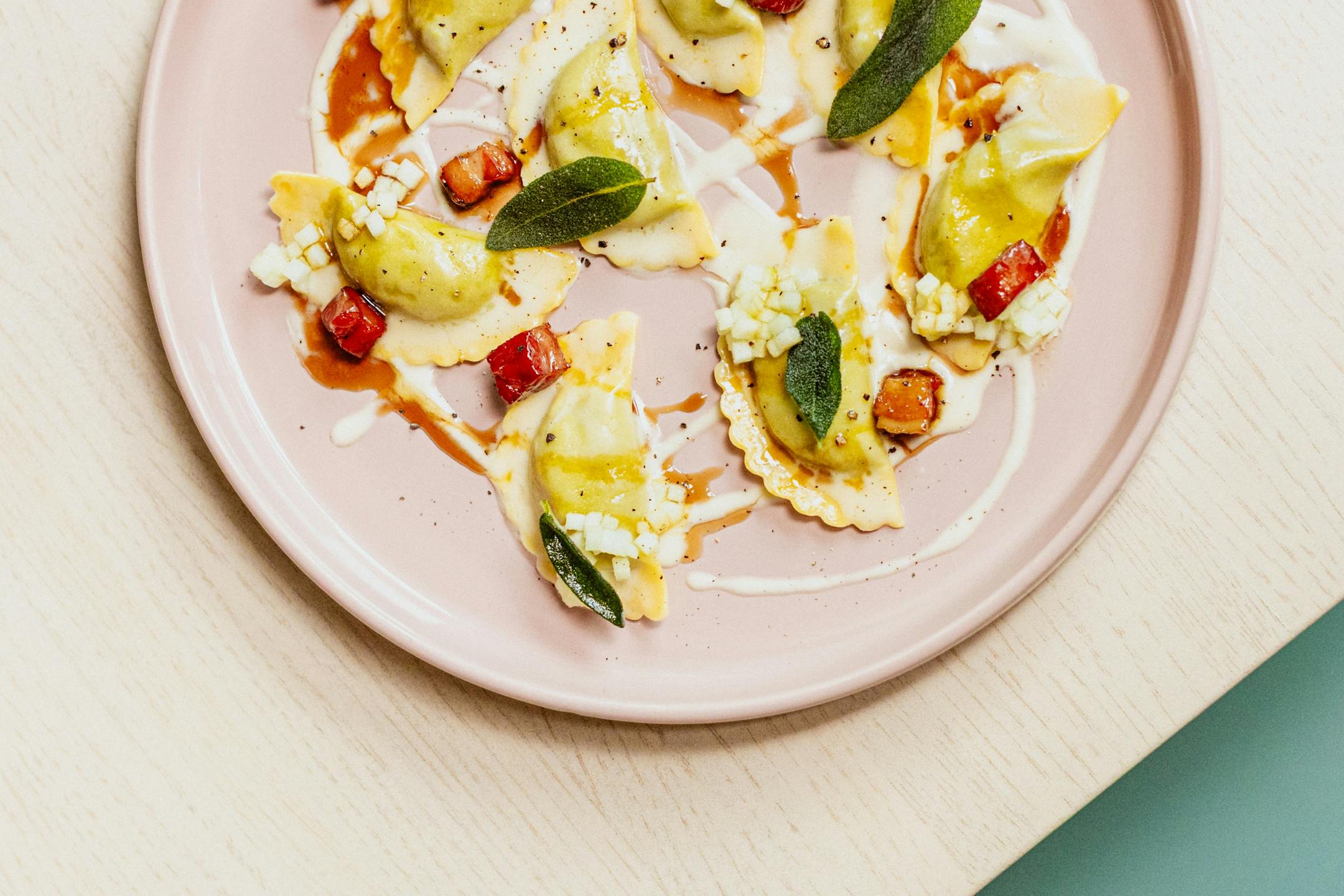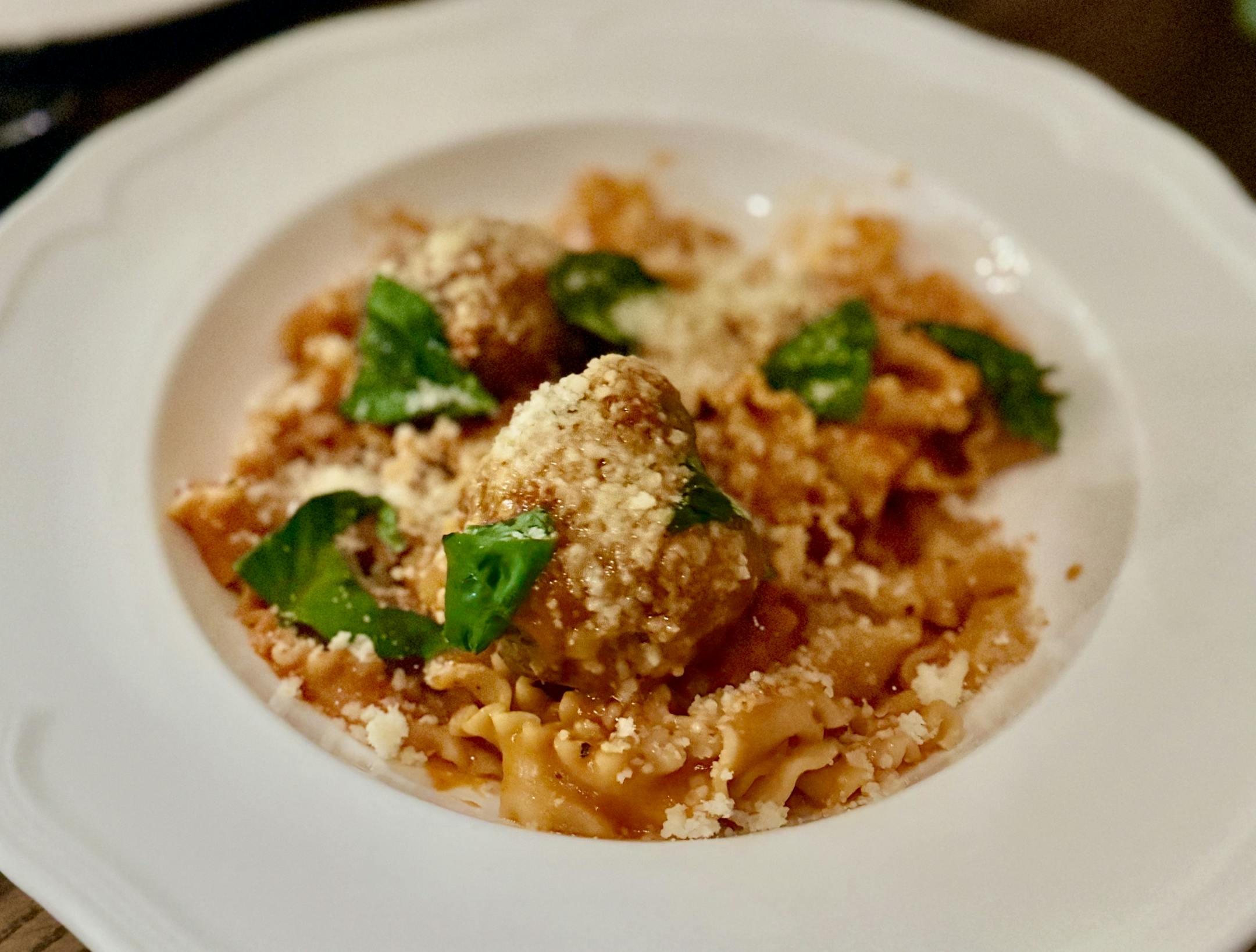
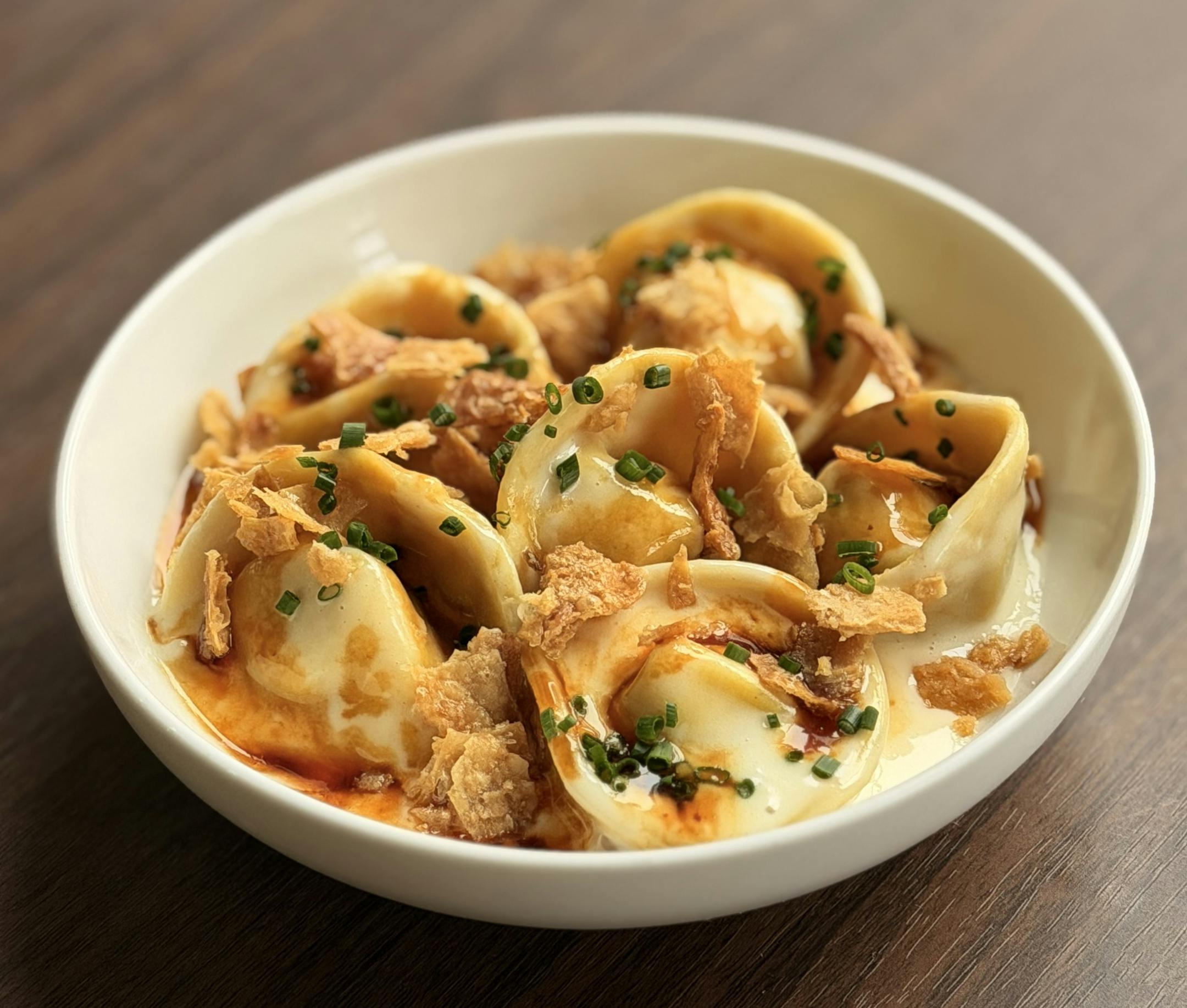
Gochujang vodka rigatoni. Broccoli mezzaluna. Mafaldine with guajillo meatballs. Maybe it’s something in the water — or maybe it’s the flour — but chefs across the Twin Cities have been putting innovative spins on pasta, sending it twirling in thrilling new directions.
It starts with the pasta itself: fresh dough being rolled, cut and shaped everyday, giving chefs a blank slate they can bend to their will. And while there are indeed many great places to get textbook classic pastas, some chefs aren’t content to play by the old rules.
For me, the pasta section has quietly become the most exciting part of a menu. It’s where chefs increasingly cook what they want to cook, and not just what they’re expected to. They’re leaning into technique, blending cultures, chasing nostalgia, rewriting classics and making dishes that would likely get them drummed straight out of Italy. It’s pasta as personal expression.
East meets zest
Headed by chef/owner Jeff Watson, Minari in northeast Minneapolis is one of the most compelling recent openings from Daniel del Prado’s restaurant group (Watson is also the longtime culinary director for DDP). He’s written a freewheeling menu that combines East Asian flavors and ingredients, including Japanese, Chinese and especially Korean, drawing from his heritage.
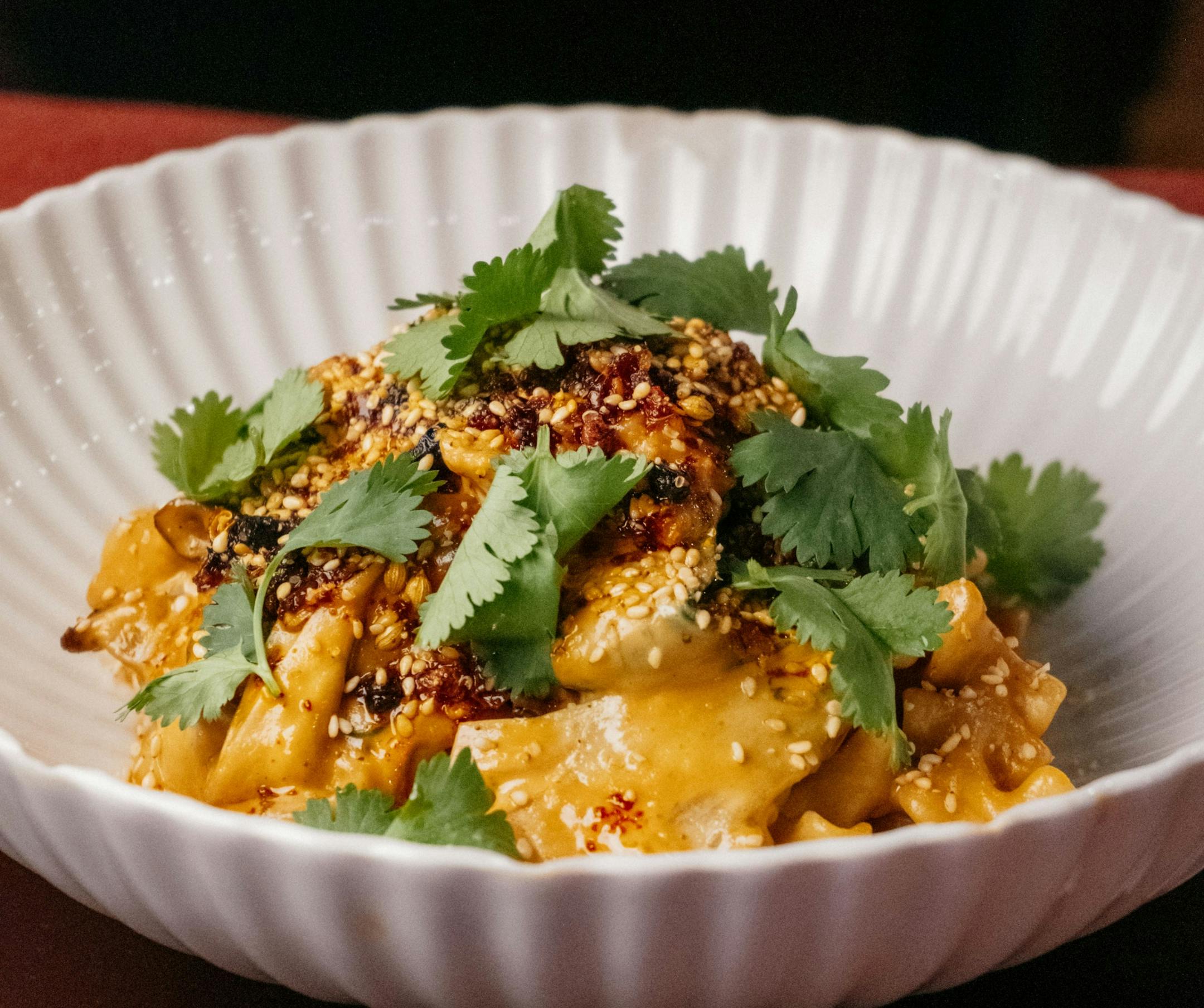
At the restaurant, you will find crudos, dumplings and Korean barbecue. And, as common across most if not all del Prado spots, a large part of Minari’s menu is dedicated to pasta, ranging from spicy dan dan noodles (made with mafaldini instead of a wavy Chinese wheat noodle) to a cheesy buldak (where gnocchi takes the place of rice cakes).
“I love traditional food,” says Watson, citing his love for classic Italian pastas. “But it’s fun to take some Italian and French cuisine styles and mix them with Asian ingredients.” So at Minari, you’ll find a gochujang vodka rigatoni, a Korean-Italian mashup. Watson builds layers of flavors by sweating chiles and garlic, then caramelizing gochujang (a Korean chili paste) and doenjang (a fermented soybean paste), deglazing it all with sake, reducing it, and then adding tomato.
An Italian comfort food dish but with an irresistible Korean angle, the rigatoni combines the creamy, tangy, and zesty elements of a vodka sauce, but with the spicy and savory depth that comes from the gochujang. The added umami makes the Italian original feel almost timid by comparison. “It’s familiar,” says Watson, “but new at the same time.”
323 13th Av. NE., Mpls., minarirestaurant.com