

Opinion editor's note: Star Tribune Opinion publishes a mix of national and local commentaries online and in print each day. To contribute, click here.
•••
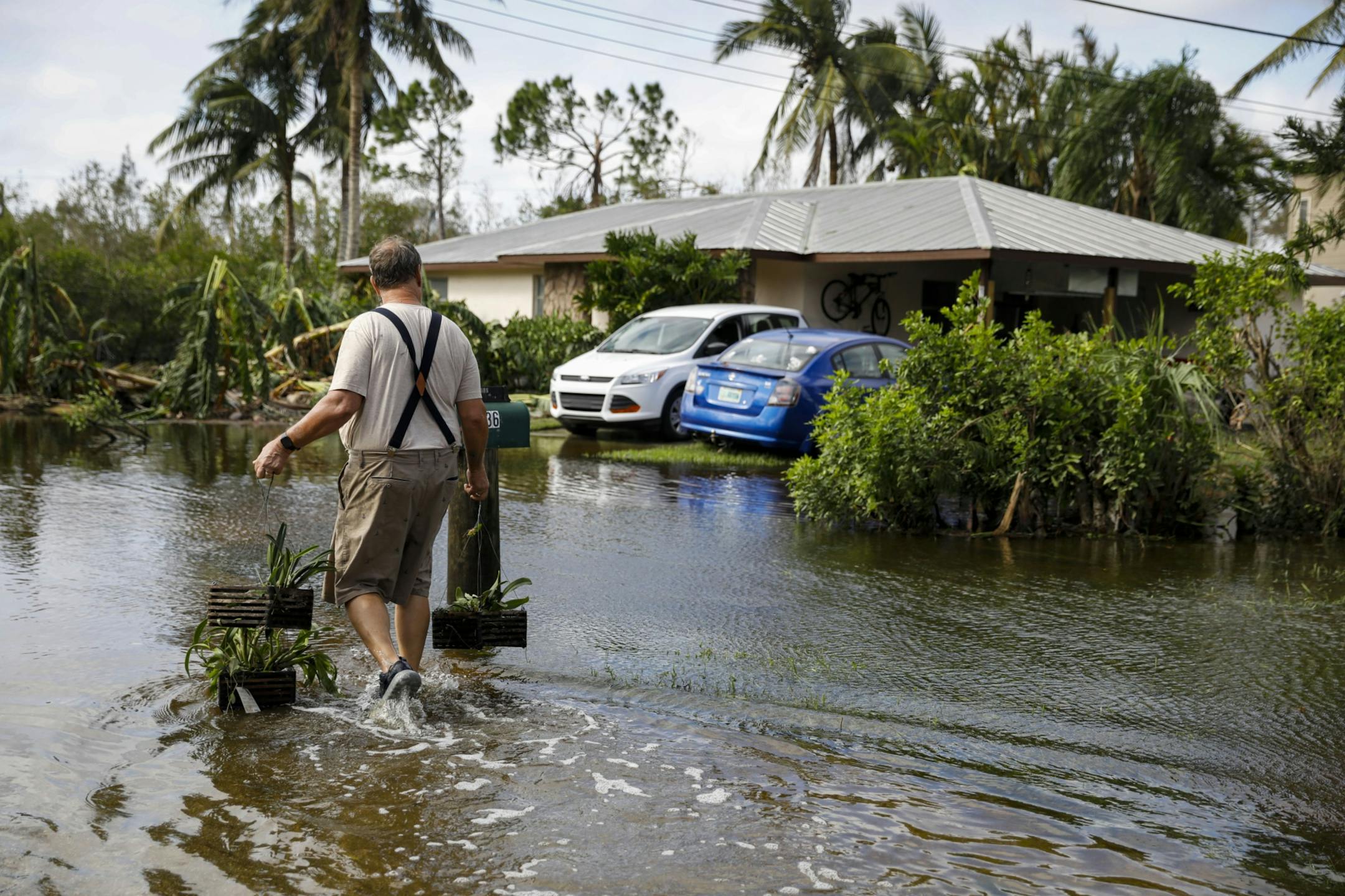
Hurricane Ian devastated parts of southwest Florida, with Gov. Ron DeSantis labeling the damage as "indescribable." At least 100 deaths have been reported.
While some see catastrophic hurricanes as an act of nature — blaming bad luck for the damage — scientists cite climate change for the rise in "super hurricanes" of at least Category 4 or higher reaching U.S. shores.
But another factor also played into the havoc wreaked by Ian: the unique development of southwest Florida over the past century, which was driven by the idea that humans could control nature through brute force of engineering. This belief has left people and property more vulnerable, with fewer natural buffers to help reduce hurricanes' impacts.
The area of Cape Coral, in Lee County, home to Fort Myers — one of the places hardest hit by Ian — was initially coastal marshland and wetland. Under the Swamp Land Act of 1850, the U.S. government nominally granted Florida access to more than 20 million acres of roughly charted wetlands — far more than any other state.
As in other places, like California's Bay-Delta Area and the Mississippi Delta, reclamation of wetlands was encouraged and supported, giving a green light to whatever productive enterprises could be launched to tame the soggy wilderness.
In the 1940s, the U.S. Army Corps of Engineers and other entities changed the hydrology of the Everglades, constructing the levees, pumps and channels of the Central and Southern Florida Project for flood control purposes. These massive infrastructural projects permitted agriculture, the expansion of roads and the building of towns on what had been inland marshes.


