

Those of a certain age know exactly where they were when they heard the searing news.
But even those younger have a strong sense of President John F. Kennedy's assassination as one of American history's true inflection points.
That's partly due to journalism, but also pop culture, including films like "Parkland," which opened on Friday.
Unlike many of the TV specials and books and articles that will be ubiquitous leading up to the 50th anniversary of the tragedy on Nov. 22, 1963, "Parkland" focuses on ordinary people swept up in extraordinary events: anonymous figures forever altered by an infamous assassination.
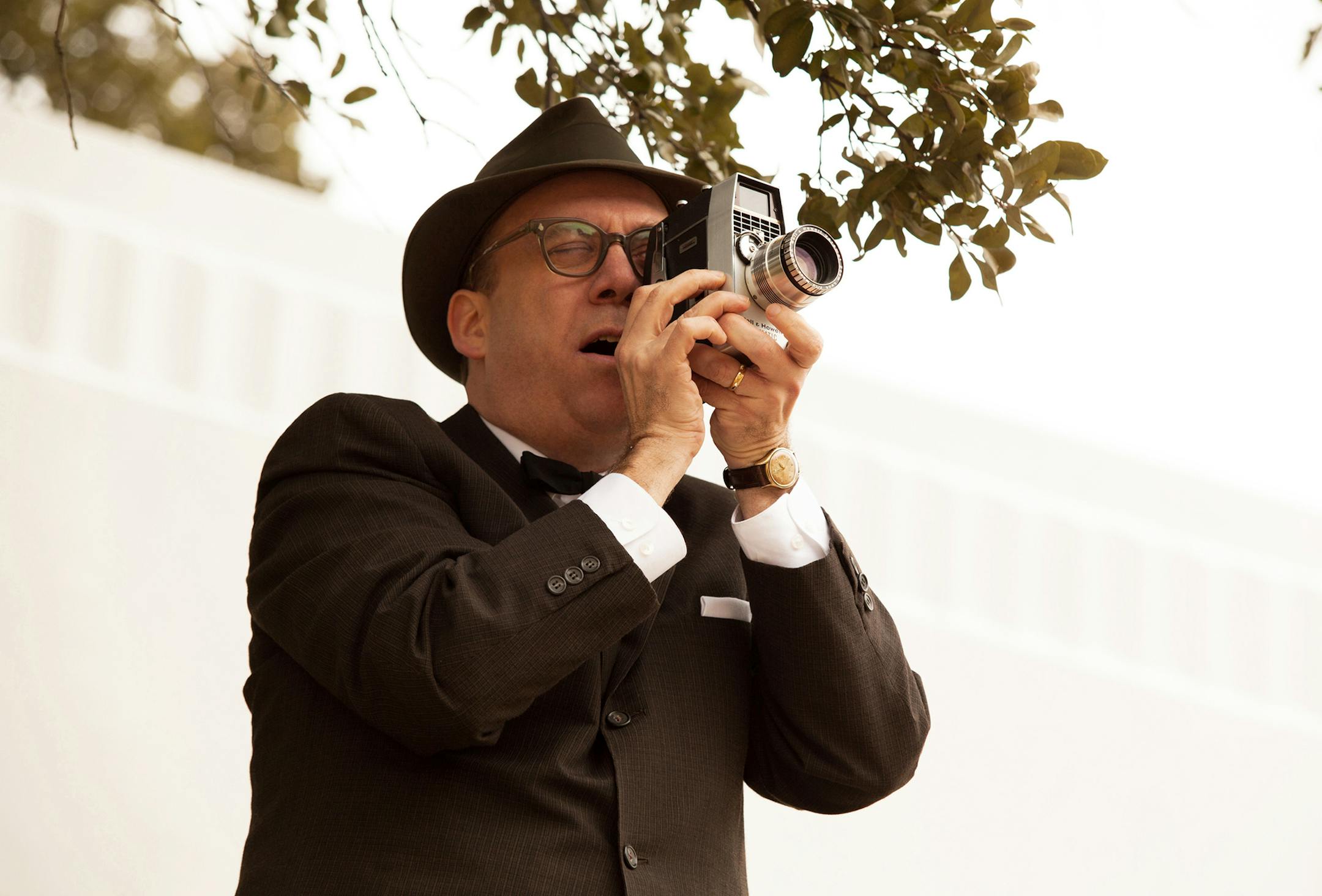
Some become famous — or at least their part in the drama did. For instance, "Parkland" portrays how the Zapruder film was sought not just by the feds, but by the Fourth Estate. Multiple media organizations hounded Abraham Zapruder for the grim images of JFK's murder.
Life magazine, in this case ironically titled, was trusted to responsibly publish what Zapruder emotionally calls in the film "a very undignified end to a very dignified man."
Choosing a magazine famous for photography to handle a moving picture may seem discordant today. But back then mass magazines like Life were journalistic juggernauts.
"I don't think that anyone under the age of 40 can imagine how important these few mainstream magazines were," said Prof. Robert Thompson, director of the Bleier Center for Television and Popular Culture at Syracuse University.


