
Ten years after the last recession, China probably can't fight the next one the same way

Growth is slowing again and the excesses of 2008 constrain country today.

December 19, 2017 at 12:01PM
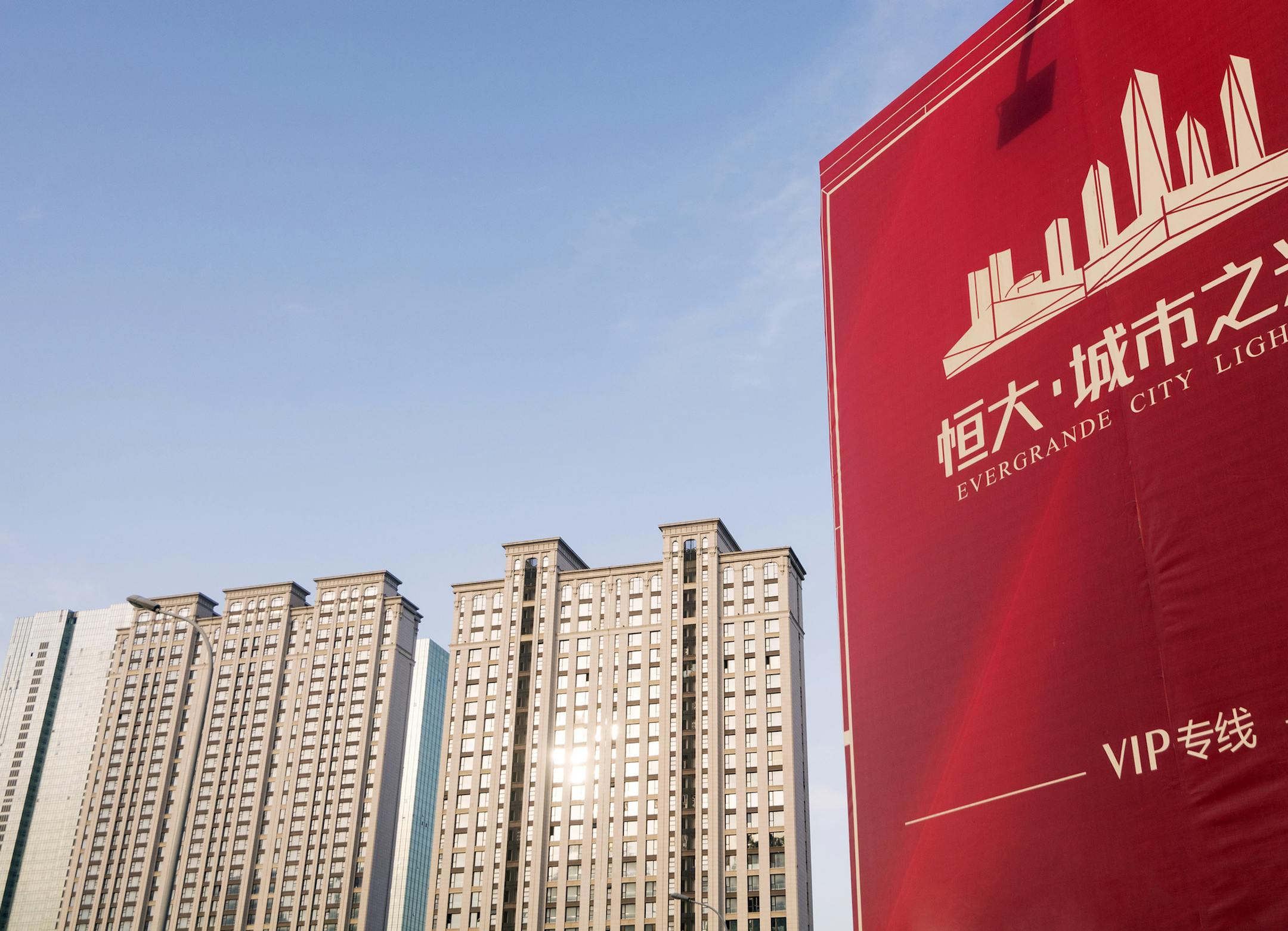
--FILE--View of a signboard of Evergrande City Lights in Dalian city, northeast China's Liaoning province, 18 January 2018. China Evergrande Group, China's third-largest developer by sales, issued a positive profit alert on Thursday (8 March 2018), saying that it expected a substantial increase in 2017 net profit, in the order of "four to five times that of last year", thanks to reductions in interest expenses and other factors. The profit alert was made in a filing to the Hong Kong stock exchan
A signboard heralds Evergrande City Lights in Dalian city in northeast China’s Liaoning Province. (The Minnesota Star Tribune)

The career of China's biggest property tycoon can be divided into two stages. Xu Jiayin started slowly, focusing on the southern city of Guangzhou. Then came the global financial crisis and the government's response, a giant economic stimulus, launched a decade ago this month.

For Xu, it was a signal to become far bolder. His company, Evergrande, now has projects in 228 cities. Last year it completed enough floor space for 450,000 homes, up from 10,000 the year the stimulus began. It has bought a soccer club, built theme parks and entered the insurance business. Yet Evergrande's debt has soared to nearly $100 billion.

So far, Xu has defied the naysayers. But Evergrande's stock is down by more than a third this year. Last month it struggled to sell new bonds, until Xu bought $1 billion worth with his own cash.

For China as a whole, the government's decision in 2008 to rev up investment was also a dividing line. Growth rebounded, while it sputtered elsewhere. Before the crisis China had a 6 percent share of global GDP; it is now closer to 16 percent. But the economy became much more reliant on debt.

On the 10th anniversary of its big stimulus, China is again confronted by flagging growth, as Xu can see from a recent slowdown in housing sales. The government has started dropping hints that a new stimulus is on the way. But the excesses from 2008 constrain it today. China knows it cannot afford another binge.

That caution reflects a change. Officials were almost uniformly positive in their initial verdict on the stimulus. Exports had plunged but growth was back to double digits within a year. In 2011, Wen Jiabao, the prime minister, said that not only had China been first in the world to recover from the crisis, but it had also laid a foundation for long-term growth. Now there is widespread recognition that the foundation was less solid than it appeared.

China's rise in total debt, from 150 percent of GDP in 2008 to more than 250 percent today, is the most obvious problem. Such increases in other countries have often presaged trouble. Much of the debt was channeled through institutions outside the formal banking system, which are less transparent and more lightly regulated.

Though some borrowers, such as Evergrande, profited from easy money, many others struggled. Dozens of industries, from solar power to steel, are grappling with overcapacity. Bai Chong'en, a former adviser to the Chinese central bank, has argued that one consequence has been a permanent decline in productivity.
As a result, stimulus has almost become a dirty word in policy circles. Li Keqiang, Wen's successor, has sworn off what he calls "flood-irrigation stimulus," a reference to the farming practice of soaking all the soil, not just the crops. The government has since aimed to slow the rise in debt, closing shadow banks and curtailing excess capacity.

But the resolve to tackle financial risks was easier to summon when growth was strong. With investment sluggish and the trade war rumbling on, headwinds are getting stronger. Many analysts think growth will dip toward 6 percent next year, which would be China's weakest since 1990.

For firms that had based their plans on sustained high-speed growth, even a mild slowdown hurts. Corporate-bond defaults in China have reached nearly $10 billion this year, a record. Markets are braced for worse: borrowing rates for China's high-yield issuers of dollar bonds have almost doubled, to 11 percent.

It is against this jittery backdrop that investors are speculating about a new stimulus. The government, despite its vows to be prudent, also propped up the economy when growth softened in 2012 and 2015. As a first step officials appear to be relaxing their campaign to clean up the financial system.

Larry Hu, an economist with Macquarie Securities, separates China's policy easing into three. First, fine-tuning, including dovish language. Second, more direct measures, such as interest-rate cuts. Third, all-out support, with infrastructure spending cranked up. Hu reckons that China is now between the first and second, good for the stock market but not enough to stop the economy's slide.

Can China find a way to shore up growth without falling back on debt-fueled stimulus? It does have options, though they are likely to provide less of an immediate boost.

The central bank could reduce benchmark interest rates, which have stayed unchanged since 2015. The finance ministry has scope to cut taxes more aggressively. Where borrowing is the only option, it is trying to make it safer. It is making it easier for officials to pay for infrastructure via bonds rather than shadow banks. Xi Jinping, the president, could also take long-delayed steps to lessen the clout of state-owned companies, giving private firms more leeway to invest in sectors such as energy and finance.

One thing China is likely to avoid is a significant change to its property policies. Xi has repeatedly said that homes are for living in, not for speculating on. A thicket of restrictions has cooled the market, slowing purchases and choking off loans to developers.

If Xu of Evergrande is upset, he is not showing it. In a speech, he credited his firm's success to government policies. Long a beneficiary, he has the sense not to turn critic.

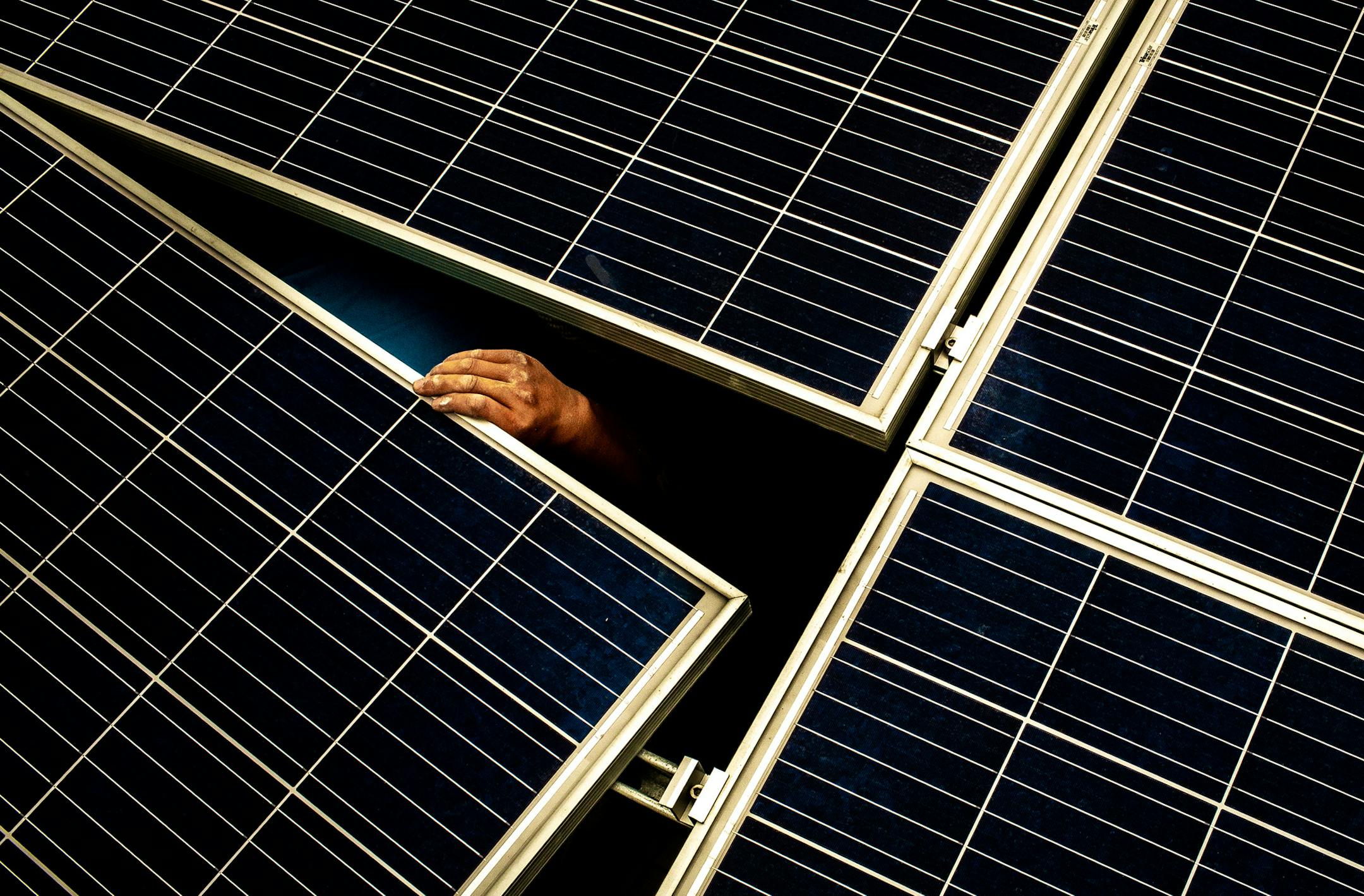
A worker installs solar panels on a 47-story residential development in Wuhan in the Hubei province of China, June 5, 2018. The West was sure the Chinese approach would not work. It just had to wait. It’s still waiting. (Bryan Denton/The New York Times)
Dozens of industries in China, from solar power to steel, are grappling with overcapacity. (The Minnesota Star Tribune)
about the writer

about the writer

Economist

More from Business

See More
Hennepin Healthcare Clinic and Specialty Center,l 8th Street between Park Av and Chicago Av.
The Minnesota Star Tribune

Minneapolis-based Hennepin Healthcare says it also will suspend contributions to some worker retirement plans while pausing $24 million in capital projects.

The newly renovated Parkway Theater is next door to the new restaurant El Burrito Mercado.
card image