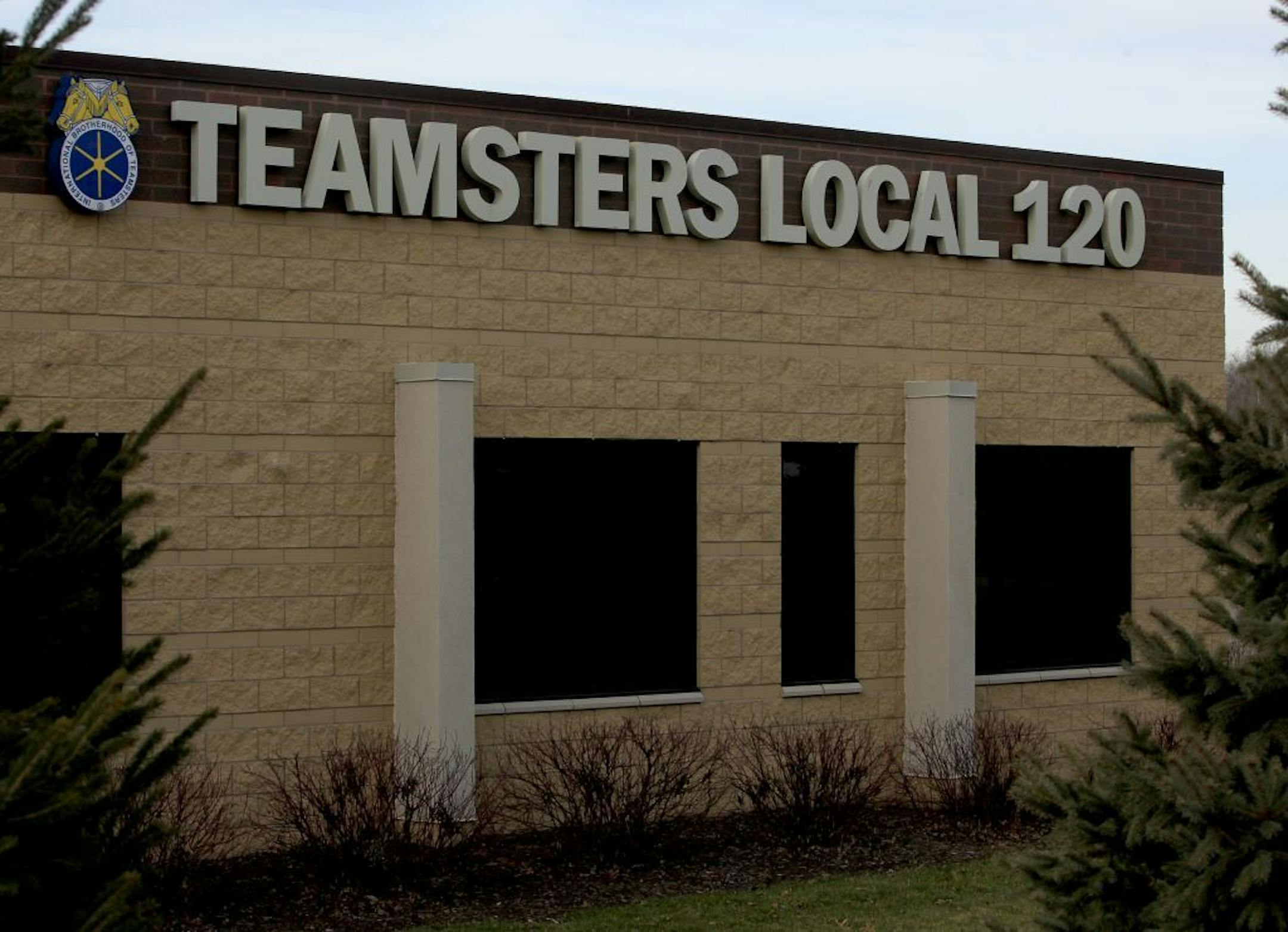
A Teamsters panel has concluded that the top two former leaders of Blaine-based Local 120 should be banned from union leadership positions for life and should pay fines worth tens of thousands of dollars to make up for allegedly embezzled union funds.
The recommendations, which were adopted this month by Teamsters General President James P. Hoffa, follow an investigation over allegations of financial misconduct by Bradley Slawson Sr. and Bradley Slawson Jr. The fines do not carry the force of law and essentially don't have to be repaid unless the Slawsons want to get back in the union.
But the penalties seem about as harsh as the union could impose. "The charged offenses here are extremely serious," said the Teamsters panel's report on the Slawsons. "The bulk of the offenses were committed by two experienced union officers. … We are struck by the total lack of mitigating circumstances."
Local 120 is one of Minnesota's largest Teamsters locals, with over 11,000 members, and the Slawsons have been nationally known Teamsters leaders. They were removed from their posts in November when the Teamsters international union put Local 120 into emergency trusteeship.
The accusations against the Slawsons stem from an investigation concluded last year by the Teamsters Independent Review Board, which is partly commissioned by the U.S. Justice Department to root out corruption in the union.
The Independent Review Board, which reports to the U.S. District Court for the Southern District of New York, must still effectively approve the sanctions against the Slawsons. A three-member panel of Teamsters leaders from outside Minnesota held a hearing in February on the board's charges against the Slawsons.
"Predictably, the [Teamsters] panel rubber-stamped the results," Brian Toder, the Slawsons' attorney, said in a statement. He added that the panel's "blow by blow findings generally defy logic."
The entire matter "will soon be appealed to a real court, the U.S. District Court for the Southern District of New York, where the Slawsons fully expect due process of law," as well as "vindication," Toder wrote.