

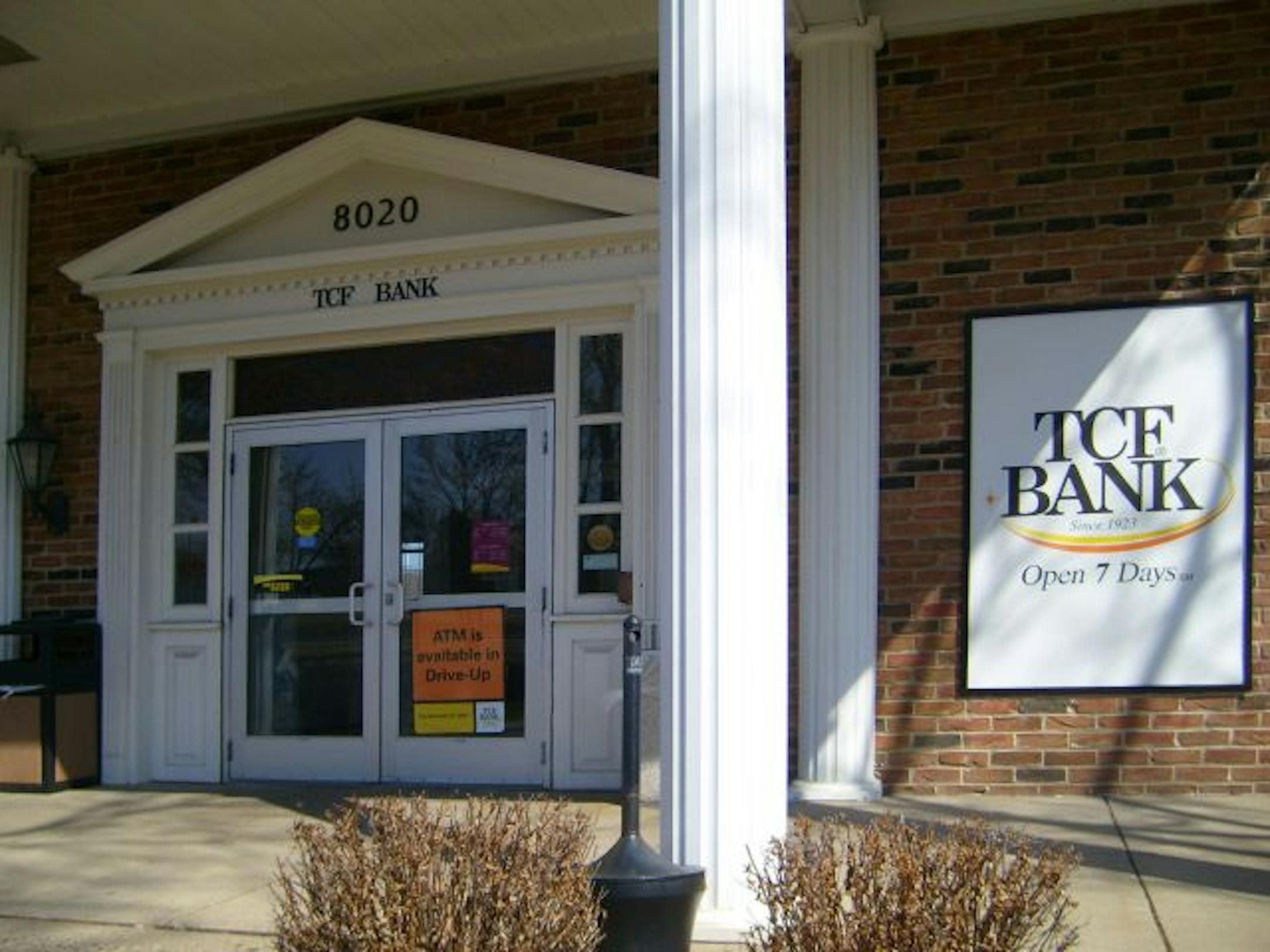
TCF Chief Executive Bill Cooper told analysts Thursday that the bank does not plan to charge consumers a monthly fee for debit cards, the second Minnesota bank to announce this week that it would not impose such a charge.
Bankers lost a Washington lobbying battle with consumer groups and big retailers last year over limits on debit-card transaction fees, and now bank profit margins are under pressure. In response, Bank of America, J.P. Morgan Chase & Co. and Wells Fargo have announced plans to charge $3 to $5 a month for their debit cards, at least in some markets.
U.S. Bancorp surprised analysts on Wednesday when executives said they would not charge consumers for a debit card and plan to make up for the lost revenue through growth in other areas. TCF estimates that card-transaction revenues will drop by about $15 million in the fourth quarter as a result of the Federal Reserve's cap on debit card fees paid to big banks by retailers.
While ruling out a monthly debit-card fee, Cooper said "We will continue to implement additional revenue-producing and expense-reduction strategies to mitigate lost revenues resulting from increased legislative, regulatory and compliance burdens."
TCF reported that profits fell 14 percent in the third quarter compared with the same period of 2010 due to tepid loan demand and lower overdraft charges as a result of 2010 federal regulatory decisions. Shares of TCF Financial Corp. rose more than 2 percent to close at $10.90 on Thursday.
The drop in third-quarter earnings came partly as a result of a one-time gain on an $8.5 million investment last year, Cooper said. Third-quarter net income of $31.7 million, or 20 cents per share, was up 6 percent higher over the previous quarter. Total revenue of $293.8 million was up 1 percent from the second quarter.
"The core operations of the bank improved modestly during the quarter," Cooper said. "We've made real progress ... into the new banking world, from a regulatory and competitive standpoint."
Cooper credited TCF's 66th straight quarter of profitability to slightly higher revenues, lower operating expenses and "continued improvement in credit metrics" as non-performing loans and bank-held real estate declined in the third quarter.



