

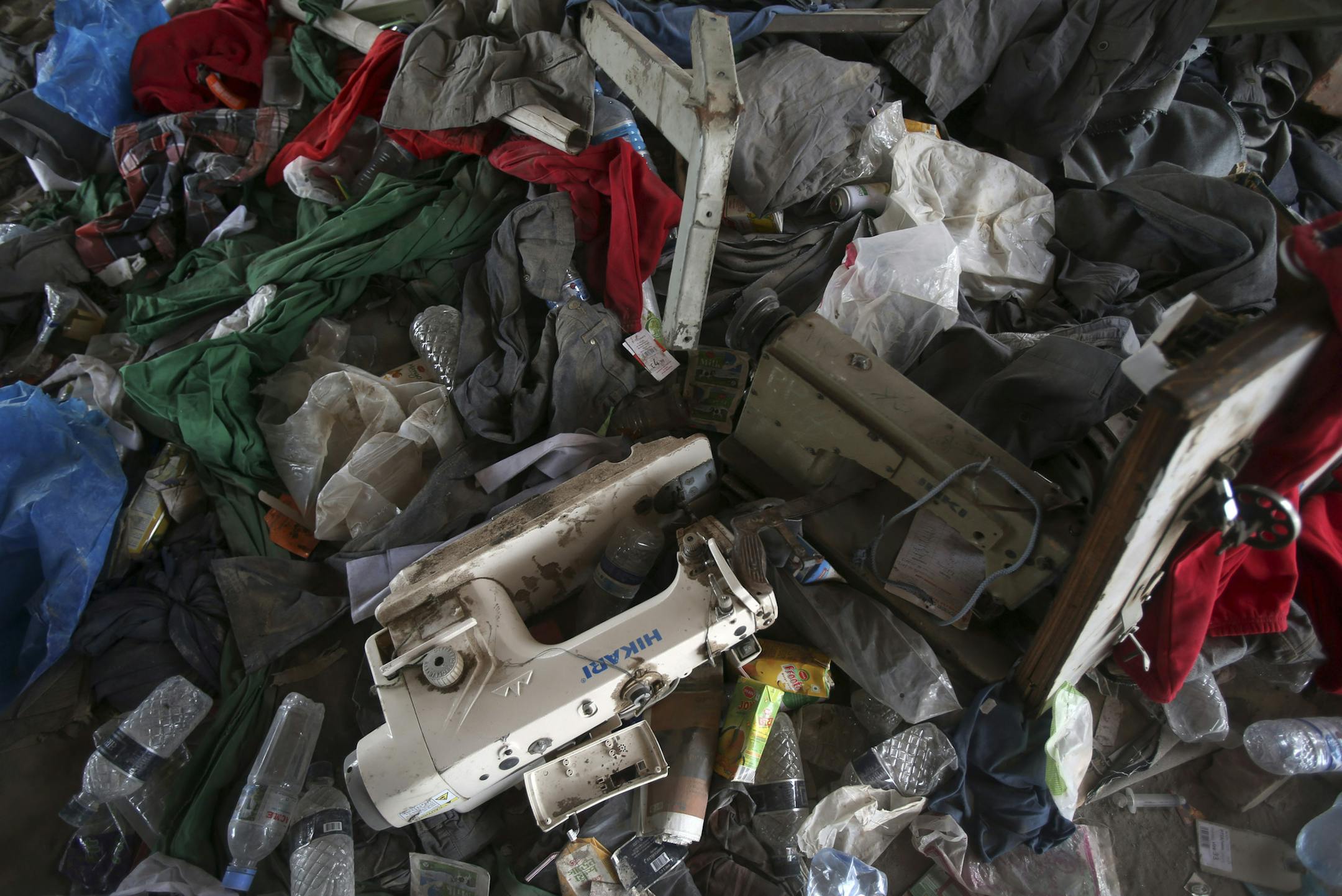
As the nation's top retailers weigh how to respond to a deadly factory collapse in Bangladesh, Target Corp. said it will remain in the country — at least for now.
"We routinely evaluate the countries where we currently source as well as potential new countries," spokeswoman Amy Reilly wrote in an e-mail. "I have nothing further to share about our future plans in Bangladesh."
Last week, Rana Plaza, which housed two factories that manufactured clothing, collapsed, killing more than 400 workers. The incident comes just five months after 112 workers perished in a fire that engulfed another factory in Bangladesh. As a result, Walt Disney has reportedly pulled out of the country. Companies like the Gap, Wal-Mart and Loblaws say they are reviewing operations there.
"This is not about a few bad apples but thousands of buildings in violation of fire and safety codes," said Liana Foxvog, a spokeswoman for the International Labor Rights Forum. "This happens all of the time."
Target has said that it hadn't "knowingly" used factories involved in both incidents. But in reality, all retailers tap into the same low-cost international supply chain network that helps keep them profitable, said Amy Koo, an analyst with Kantar Retail consulting firm in Boston.
"All of them use the same groups of people," Koo said. "They move in packs, looking for the cheapest labor."
Nevertheless, one wonders "how well does Target understand its own supply chains?" she said.
Target declined to grant interviews for this story or give specific information about its operations in Bangladesh. According to company figures, Target directly imports 30 percent of its products overseas made at roughly 3,400 factories, including 169 from Bangladesh, India, Pakistan, Egypt, and Turkey. The company says it works hard to monitor its suppliers.


