

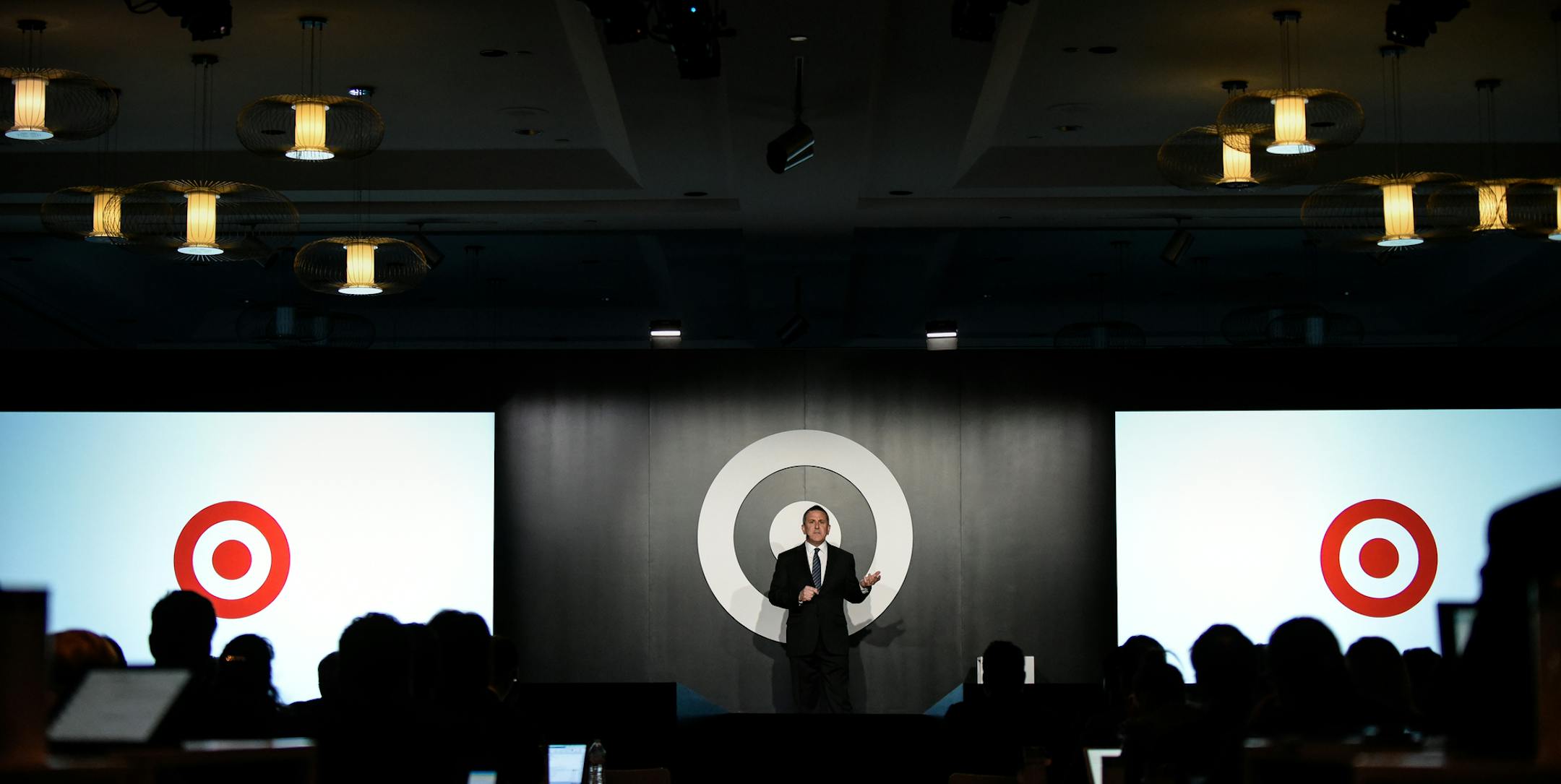
Target Chief Operating Officer John Mulligan says he gets asked "all the time" why the company keeps investing in its stores.
It's a new digital world, after all. Amazon.com blew past the Minneapolis-based retailer in annual sales years ago and is now nearly out of sight. In response, Target is planning to invest more than $1.5 billion just in renovating existing stores, including more than two dozen in the Twin Cities.
It might look like the company is allocating that much money to stores out of a desire to simply stick to its roots, maybe because no better ideas have come along.
Yet that's not what's going on here. Target is using its stores in a way no one was talking about 10 or 15 years ago. And by investing in them, it is sticking to something that goes very deep in its DNA: running the business based on a return on investment.
The answer to the question Mulligan said he's asked all the time — why invest in stores — is those are the projects that still earn good returns.
Target, of course, is not the only company that runs its business this way, yet the company was known for doing that in retailing long before it was fashionable.
Nearly 40 years ago the New York Times quoted an analyst, in a glowing profile of a company then called Dayton Hudson, saying that "the emphasis on return on investment is unique in retailing. Usually merchants look at sales volume or profit margins."
There are at least a couple of reasons that this methodology came to flourish at the company, including finding a way to judge the results of different retailing formats. There was also a realization many decades ago that merchandising still leaned too heavily on intuition and experience, and the knack for delighting shoppers.



