
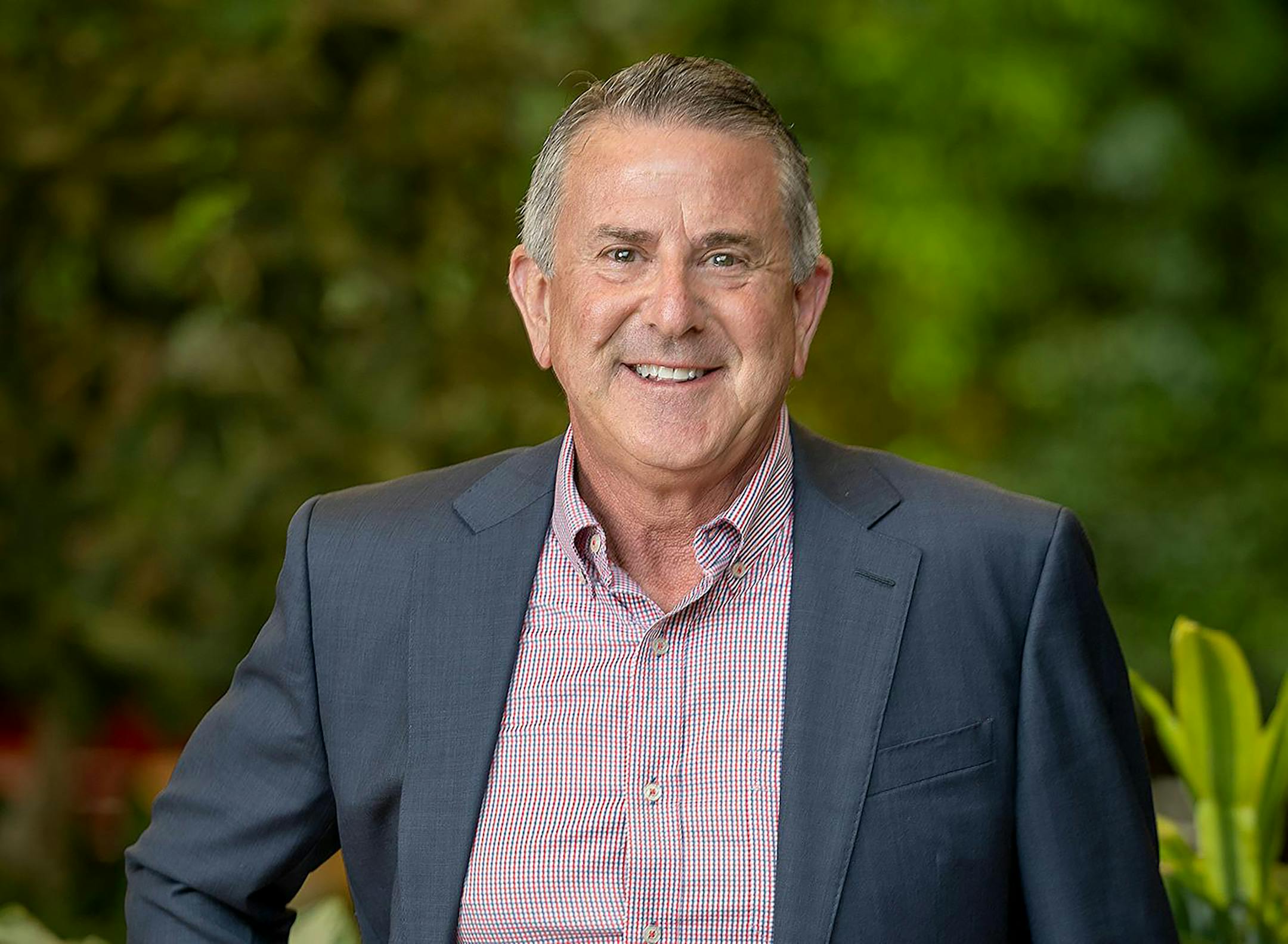
Target CEO Brian Cornell lauded for transformational changes, yet chided for more recent missteps

Cornell’s 11 years guiding the Minneapolis-based retailer through storied growth and recent missteps will come to an end in February.

The Minnesota Star Tribune
August 20, 2025 at 4:39PM
In September 2022, Target extended CEO Brian Cornell's contract for three years. That time has now come to an end, with the Minneapolis-based retailer announcing his retirement Wednesday. (Elizabeth Flores/The Minnesota Star Tribune)

Brian Cornell in his 11-year tenure as CEO has guided Target through massive change. In current years, though, he has been chided for missteps that have left the Minneapolis-based retailer several challenges.

He will end his tenure in February, becoming executive chair and turning over the chief executive title to his second-in-command, Michael Fiddelke.

“I admire Brian. He handles the good and bad quite well,” said Doug Baker, the longest serving Target board member and former Ecolab CEO. “I think Target has been fortunate to have Brian as CEO.”

Cornell, 67, was hired in 2014, tasked with steering the retailer in a new direction so it could compete in an industry rapidly changing with the onset of Amazon and other online retailers.

He is widely lauded for his moves in transforming Target’s business model with digital strategies that include using stores as online fulfillment centers and improving the technology underlying its digital operations.

Those changes prepared Target when in March 2020, a global pandemic forced massive shifts in the way people shopped. The retailer boomed as people adjusted to stay-at-home orders and invested in their living spaces.

But Target has struggled in the years since, with sales decline, lost market share and glitched inventories. It is also dealing with an ongoing boycott since announcing it would be pulling back on some of its diversity initiatives.

Cornell lauded nationally

During Cornell’s overall tenure, Target’s revenue grew more than 50%. The company expanded its owned-brand portfolio, added more than 200 stores, and continued partnerships with popular brands.

In September 2022, Target’s board of directors eliminated a mandatory retirement age of 65 for CEOs, allowing Cornell to remain in his position beyond the traditional retirement age.

Cornell also has received several national leadership awards, including CNN’s Business CEO of the Year in 2019 and the National Retail Federation’s Visionary award in 2022.

Before he steps down, Cornell will oversee one last holiday season.

“Target has been transformed into a true omnichannel retailer as Brian and the team pioneered the stores-as-hubs concept, developed industry-leading sameday services like Drive Up, grew digital performance and built private labels into desirable brands of their own,” said Christine Leahy, lead independent director of Target’s board, in a news release.

The first outsider to run the company, Cornell was handed a retailer struggling from a failed expansion into Canada and a historic data breach.

In his first year, he oversaw the closure of Target’s Canada operations and cut 1,700 corporate jobs as part of a cost-saving effort. He also sold the retailer’s pharmacy business to CVS Health.

Over the next several years, Cornell directed a series of investments in e-commerce, technology and store remodels.

He also introduced a “stores as hubs” model for fulfillment and in 2017 announced a $7 billion plan to expand digital services, open small-format stores and revamp the company’s website and app. Target acquired same-day delivery company Shipt later that year.

That strategy contributed to significant growth during the pandemic. Target’s revenue rose from $77 billion in 2019 to $106 billion in 2022.

Target weathering post-pandemic struggles

When the worst of the pandemic started to clear in 2022, consumers shifted their spending abruptly to services and experiences, like traveling and dining. Target didn’t expect the shift to be so swift, leaving the retailer with excess inventory that had to be sold at a discount.

“We’re paid to understand consumer trends,” Cornell said in June. “We didn’t anticipate how quickly people were going to say ‘All right, [after] this pandemic, I’m changing my lifestyle. I’ve got to get back out and travel.’”

In spring 2023, not long after adjusting to the inventory glut, Target came under harsh criticism from right-wing activists over the placement and scope of its Pride month merchandise. After some stores were vandalized, Target moved the merchandise to a less prominent place in most stores, leading to public outcry from some on the political left.

Target stumbled back into the nation’s culture war when, just a few days after President Donald Trump’s second inauguration, it announced what appeared to be a backtracking on its commitment to a diverse workforce and support of organizations that serve people of color. Target said it met all the five-year goals established after the murder of George Floyd meant to assist Black entrepreneurs and suppliers.

Later, it was revealed the company donated $1 million to Trump’s inauguration. Executives acknowledged the company’s first quarter sales were hurt by the boycott.

“By trying to please everyone, [Target] ended up alienating a lot of people,” said Joe Feldman, an analyst for Telsey Advisory Group. “Rather than quietly adjusting things, they made announcements. That’s not the same as abandoning DEI completely, but the public perception can be damaging.”

As consumers tightened wallets due to persistent inflation, Walmart gained market share over Target. It also instituted many of Target’s game-changing moves such as streamlining online distribution and expanding private label offerings.

Target’s sales continued to decline year-over-year in the latest quarter, with profits dropping around 20%, Target said Wednesday.

Cornell emphasizes team legacy

Cornell hopes a big part of his legacy will be team development, expanding benefits such as health care access, college tuition assistance and higher starting wages.

“It’s been a ‘we’ environment and I think that’s really important,” Cornell said when asked in June about his contribution to Target’s growth. “We talk about a culture of care, growth and winning together. It’s about the team working to evolve the business.”

about the writer

about the writer

Carson Hartzog

Retail reporter

Carson Hartzog is a business reporter covering Target, Best Buy and the various malls.

See Moreicon

More from Retail

See More
card image
Evan Ramstad/The Minnesota Star Tribune

The small retailer wants to shed the expenses of being traded on the Nasdaq exchange because officials feel the company hasn’t been able to capitalize on being a publicly traded firm.

card image
card image