For years, the first Thursday of every month gave retailers and industry analysts a peek into the buying behavior of shoppers.
On that day, most publicly traded retailers reported the previous month's sales for stores open at least a year. Called same-store or comparable-store sales, the metric was seen by some as a key indicator of consumer behavior, particularly at peak times such as the Christmas holidays and back to school.
But on Thursday, Minneapolis-based Target Corp. said it would cease reporting monthly sales beginning in fiscal 2013 and instead will report on a quarterly basis. The decision is "consistent with the practice of the vast majority of our retail peers," said John Mulligan, the company's chief financial officer. Those peers include beefy discount rival Wal-Mart Stores Inc., which discontinued monthly reporting in May 2009.
"I don't think it's any kind of mystery," said Clementine Martin Illanes, a retail strategist with the New York consulting firm Kurt Salmon. "I think it's just retailers giving themselves some breathing room, and a bit more flexibility to manage their business the way they want to. Some see same-store sales as an indicator, when in reality sales may be up one month and down another."
In that vein, Thursday's same-store results topped analysts' estimates, but still slowed when compared with the back-to-school frenzy in August.
September sales among 22 retailers rose 3.9 percent in September, as opposed to the 6 percent rise in August, according to the International Council of Shopping Centers (ICSC). But, given the economic and political uncertainty weighing on many Americans, analysts say the results are an encouraging sign for stores as they head into what's traditionally the busiest shopping period of the year in November and December.
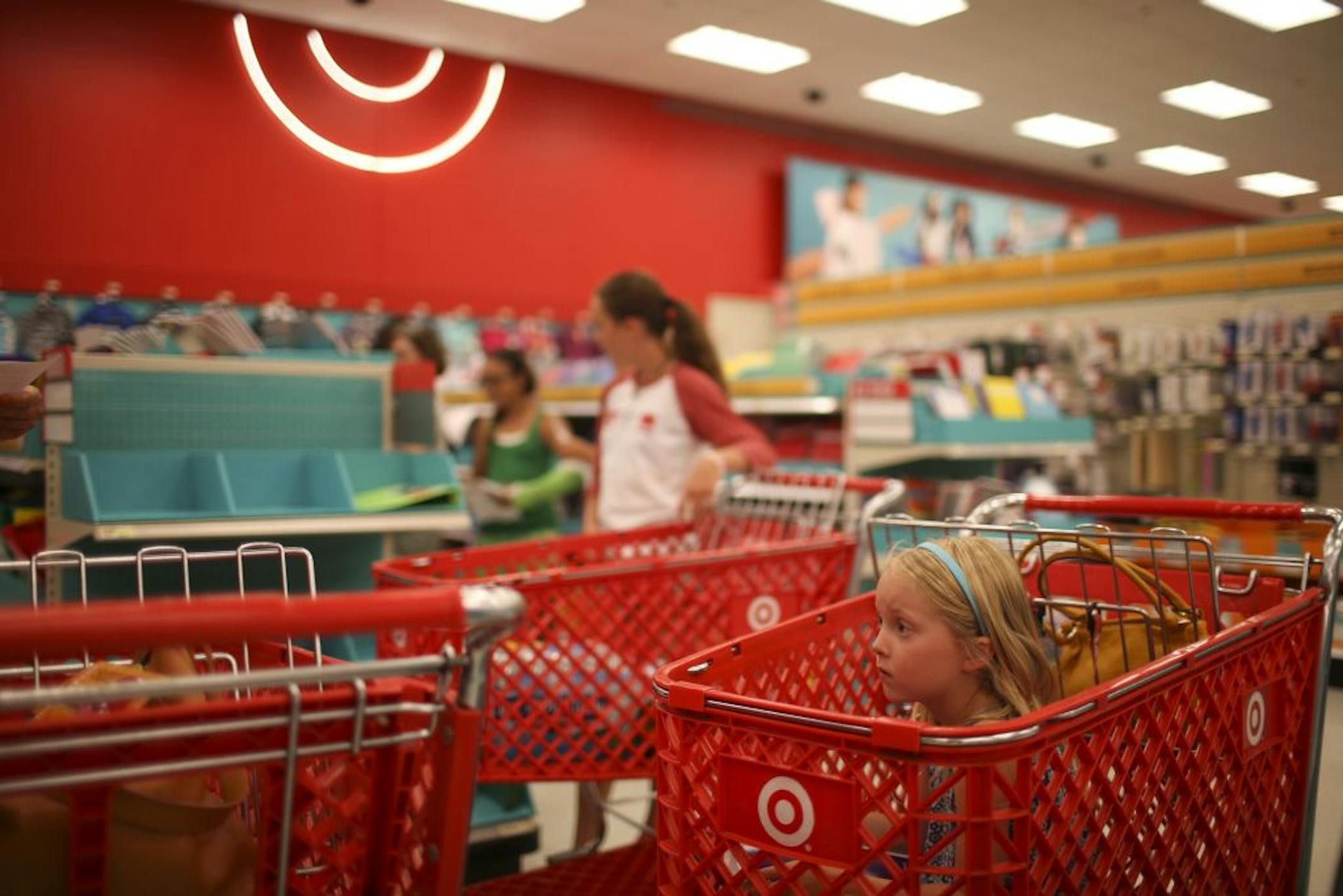
Target reported a 2.1 percent gain in sales last month, propelled by strong demand for groceries and health and beauty items. Still, results were slightly below analysts' expectations. The trendy discounter's stock barely budged on the news, closing at $63.65 on Thursday, up 56 cents.
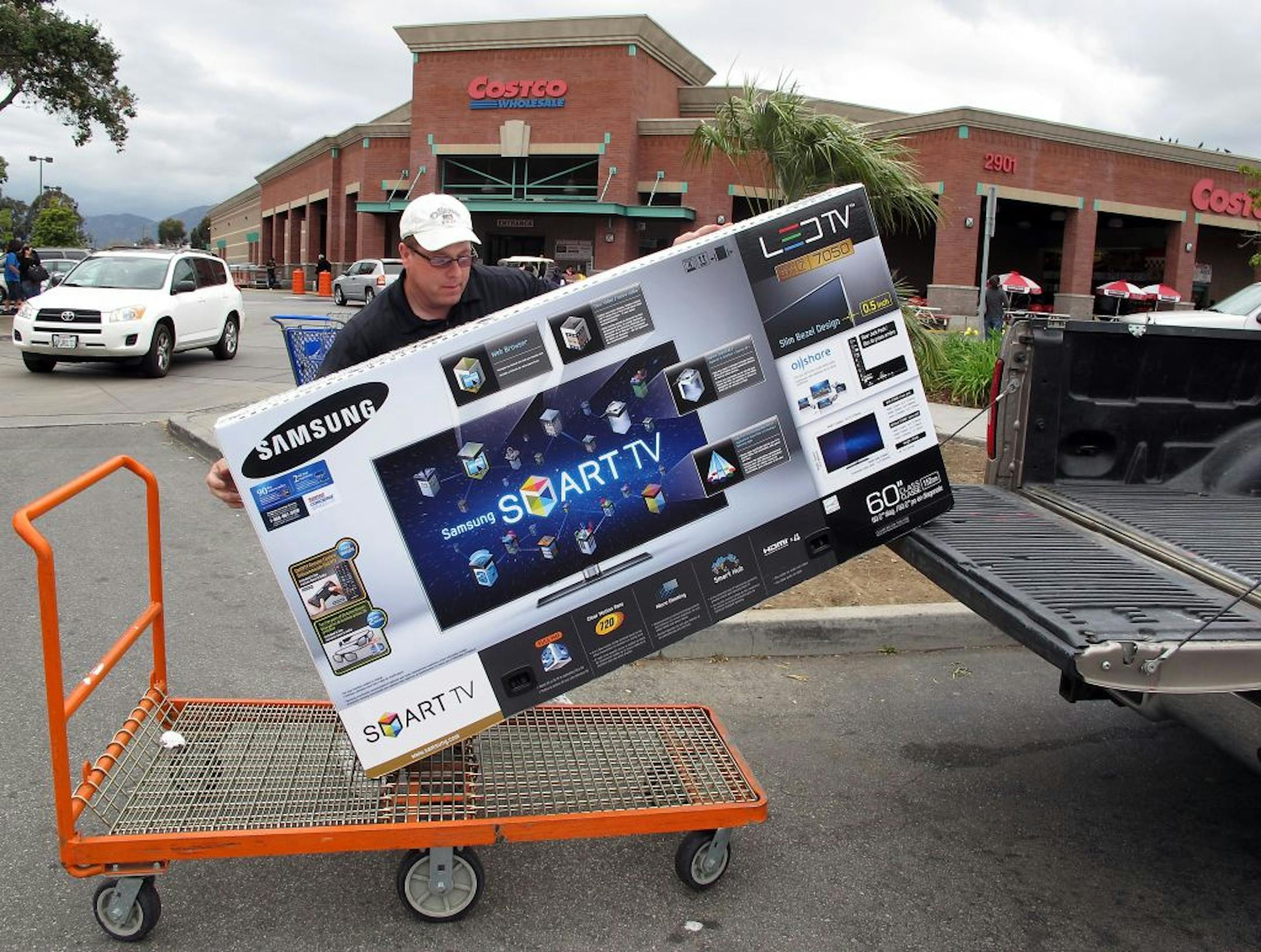
Macy's posted a 2.5 percent increase last month that was below the gain of 3.3 percent analysts polled by Thomson Reuters had expected. Meanwhile, Costco's 5.7 percent gain put it among the merchants that posted results that beat Wall Street estimates.