

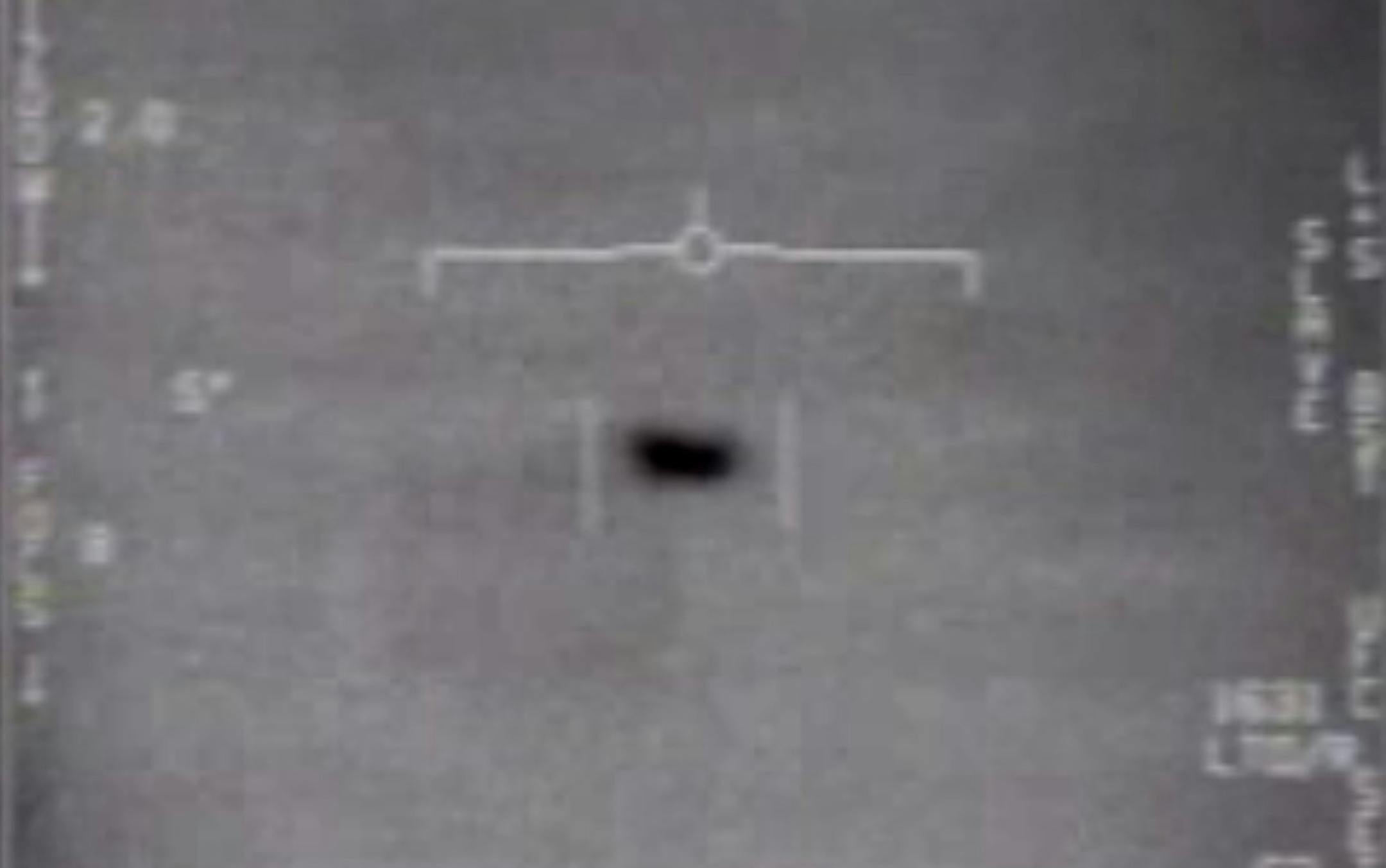
The official release of some previously leaked UFO videos taken by U.S. Navy pilots has sparked renewed interest in the bigger questions. For sure those flying objects are unidentified, but how much attention should we earthlings devote to this issue? I am struck by the contrast between those who see this as an important question and those who think the whole thing will turn out to be an error or some kind of optical illusion.
Among my friends and acquaintances, the best predictor of how seriously they take the matter is whether they read science fiction in their youth. As you might expect, the science-fiction readers are willing to entertain the more outlandish possibilities. Even if these are not "little green men," the idea that the Chinese or Russians have a craft that can track and outmaneuver the U.S. military is newsworthy in and of itself. So would be a secret U.S. craft, especially one unknown to military pilots.
The cynical view is that the science-fiction readers are a bit crazy and are trying to recapture the excitement of their youth by speculating about UFOs. Under this theory, they shouldn't be taken any more seriously than Tolkien fans who wonder if orcs are hiding under the next stone.
The more positive view is that science-fiction readers are more willing to consider new ideas and practices. This kind of openness presumably is a good thing, at least in general, so why aren't the opinions of more "open" observers accorded more respect? Science-fiction readers have long experience thinking about worlds that are very different from the current one, and perhaps that makes them more perceptive when something truly unusual does come along.
Some of the individuals who were early to see and point out COVID-19 risk, such as tech entrepreneur Balaji Srinivasan, also have taken the UFO reports seriously, perhaps due to the same flexibility of mind.
Another correlation is that people used to thinking probabilistically are more likely to pay attention to UFO news. The chance that the reports reflect "something interesting" might be only 1% or less, but the expected value of that information still is very high — so it is worthy of close attention. If your attitude is, "This is almost certainly nonsense," that's still a case for further investigation, as long as the word "almost" remains.
However much people might pretend otherwise, they do typically judge views by the people who hold them. I now receive lots of e-mails about ultraviolet light as a remedy for COVID-19. I don't have an opinion on the science per se, but I can't say that I am persuaded by the logic or the writing of these e-mails. The phrase "tinfoil hat" originally referred to the practice of wearing headgear to block mind-reading, but it has come to refer to a belief in paranoid conspiracy theories more generally.
When it comes to UFOs, of course, the people who are the most interested have a cultish devotion to the topic — and they give the rest of us a bad name. Maybe it's time to stop being put off by that.


