

Opinion editor's note: Star Tribune Opinion publishes a mix of national and local commentaries online and in print each day. To contribute, click here.
•••
Bankruptcy law is all about fresh starts. But just how much of a fresh start does the Sackler family deserve — without having to declare bankruptcy themselves?
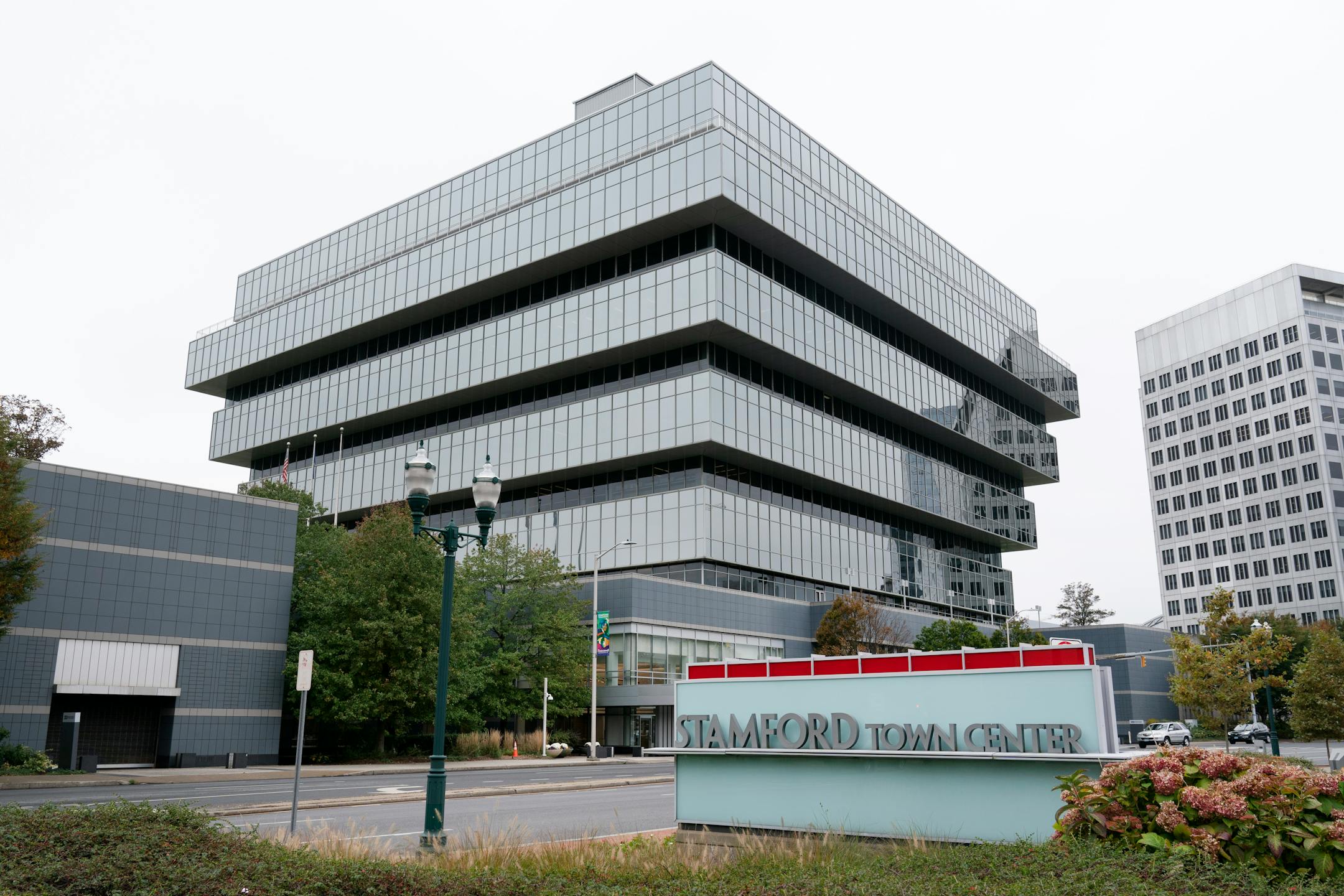
The family's former company, Purdue Pharma, has become synonymous with the U.S. opioid epidemic and filed for bankruptcy in 2019. Plaintiffs harmed by that epidemic came to an agreement with the company that if the Sacklers paid $6 billion to victims and states, the family would be protected from further civil suits, even though they hadn't personally declared bankruptcy.
On Monday, the Department of Justice argued before the Supreme Court that the deal went too far.
At oral argument, Chief Justice John Roberts suggested that Congress would have to pass a law expressly authorizing a bankruptcy court to offer protection from civil suits for defendants in cases like this one. Since the justices seemed to be split between liberals and conservatives, if Roberts can convince at least one other justice of his view, it is likely to determine the outcome of the case.
The factual background here belongs to the realm of mass tort litigation — the realm where private lawsuits can combine with lawsuits brought by state attorneys general to impose liability on companies and people that damage others by failing to exercise reasonable care. Such suits are rarely brought to a jury because the risks — to both sides — are too great.
Instead, these cases typically settle, often through a judgment in bankruptcy. Through complex, multipronged negotiations, the companies agree to enter Chapter 11 and to designate funds to make victims as whole as possible. To give companies and those who own them the incentive to settle, it's valuable — perhaps in some circumstances, necessary — to promise that they won't be subject to further suits.


