

Opinion editor's note: Star Tribune Opinion publishes a mix of national and local commentaries online and in print each day. To contribute, click here.
•••
In "Tinker, Tailor, Soldier, Spy" — John le Carré's classic novel about the hunt for a traitor near the top of British Intelligence — the hero, George Smiley, tells a colleague that "the art" of being a mole "is to be one of a crowd." The greater the number of suspects, the smaller the possibility of being caught. Smiley is hauled from retirement to conduct some quiet detective work precisely because the alternative is a massive investigation that would disrupt and perhaps destroy the very institution it's designed to protect.
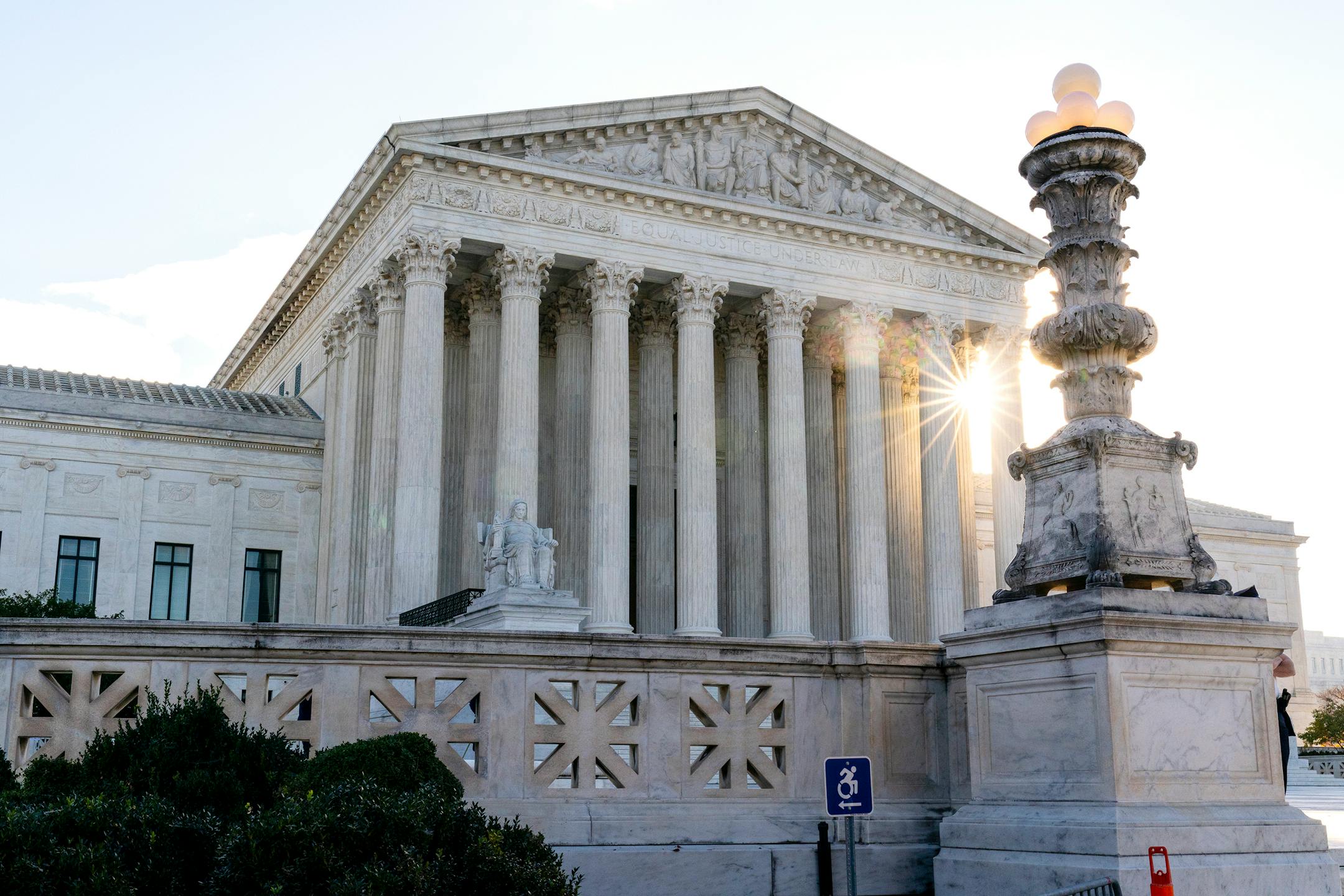
That's the territory the U.S. Supreme Court is poised to enter. According to news reports, the search for the leaker of Justice Samuel Alito's proposed abortion opinion has led to demands that law clerks sign affidavits under penalty of perjury and allow inspection of their cell phone records. A sitting federal judge has joined the loud clamor for a criminal investigation.
This isn't shattered trust; it's self-immolation.
And all because the leaker, described by some as a hero, prefers to remain hidden in the crowd.
With some law clerks reportedly seeking legal counsel, one can well imagine a course of events that ends in litigation, after a clerk who refuses to turn over cell phone data is fired, then sues for wrongful termination. (Key query for another day: Would the justices recuse themselves from the lawsuit?)
To be sure, internal investigations are a commonplace of our era. In some fields of endeavor, they've become sufficiently ubiquitous that the psychological literature includes advice on how to survive the process. And when it comes to leaks from the judicial branches, investigations are not new.


