

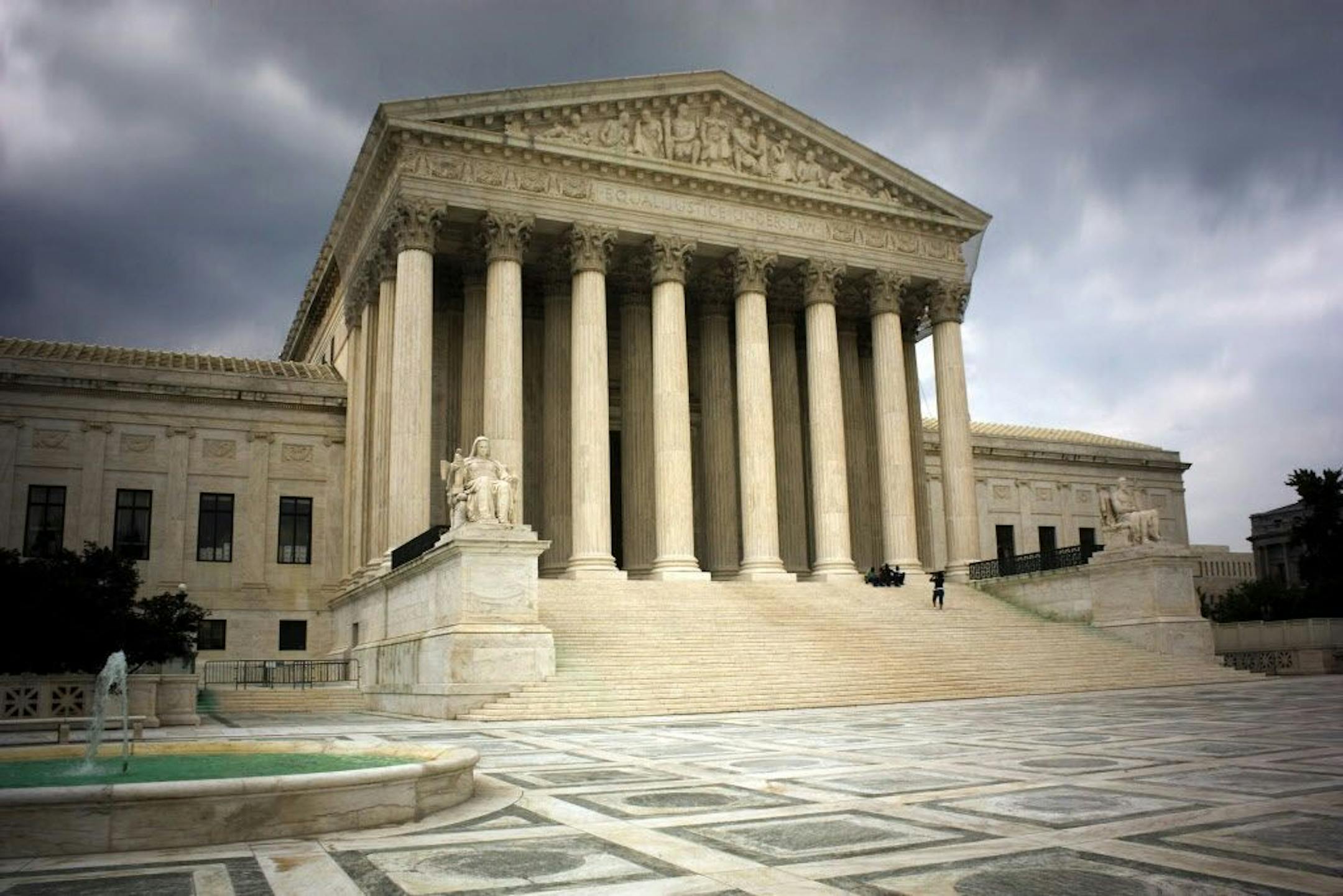
Well over 1 million Minnesotans are likely already subject to mandatory arbitration of workplace grievances, if the state mirrors the rest of the nation, and that number is almost certain to rise after a U.S. Supreme Court decision last week.
The court, on a 5-4 vote, affirmed employers' right to enforce individual arbitration clauses and ban class-action lawsuits by employees. Legal sources on every side of the issue say the ruling, written by the newest justice, Neil Gorsuch, ensures that more people will be required to settle workplace disputes in binding private hearings run by company-picked and company-paid adjudicators.
"It's a difficult time for people with claims," said University of Minnesota law professor Carol Chomsky, co-author of a book on contract law. "These arbitration clauses are everywhere. People don't know that they are signing them."
Arbitration clauses exist in tens of millions of employment and consumer finance contracts, and some business groups say they enable faster, less expensive resolution of disputes. For workers, the Supreme Court decision comes with an implied but serious warning: Read the fine print.
No law in Minnesota compels employers to verbally disclose the existence of an arbitration clause in an employment contract. "If it's in there in clear language and you sign the contract," Chomsky explained, "you're bound by it."
Terry Fleming, who works in corporate law at Fredrikson & Byron's Minneapolis office, said Gorsuch's arbitration decision is written so strongly that it leaves virtually "no chance of more relief through the courts."
"It's a significant advantage for employers to have these [arbitration agreements]," Fleming said. He predicted that more companies will adopt mandatory individual arbitrations. "They are fast, efficient and less costly for both sides," he said.
Critics of mandatory arbitration counter that the decision robs employees of a fundamental right to a day in court.



