

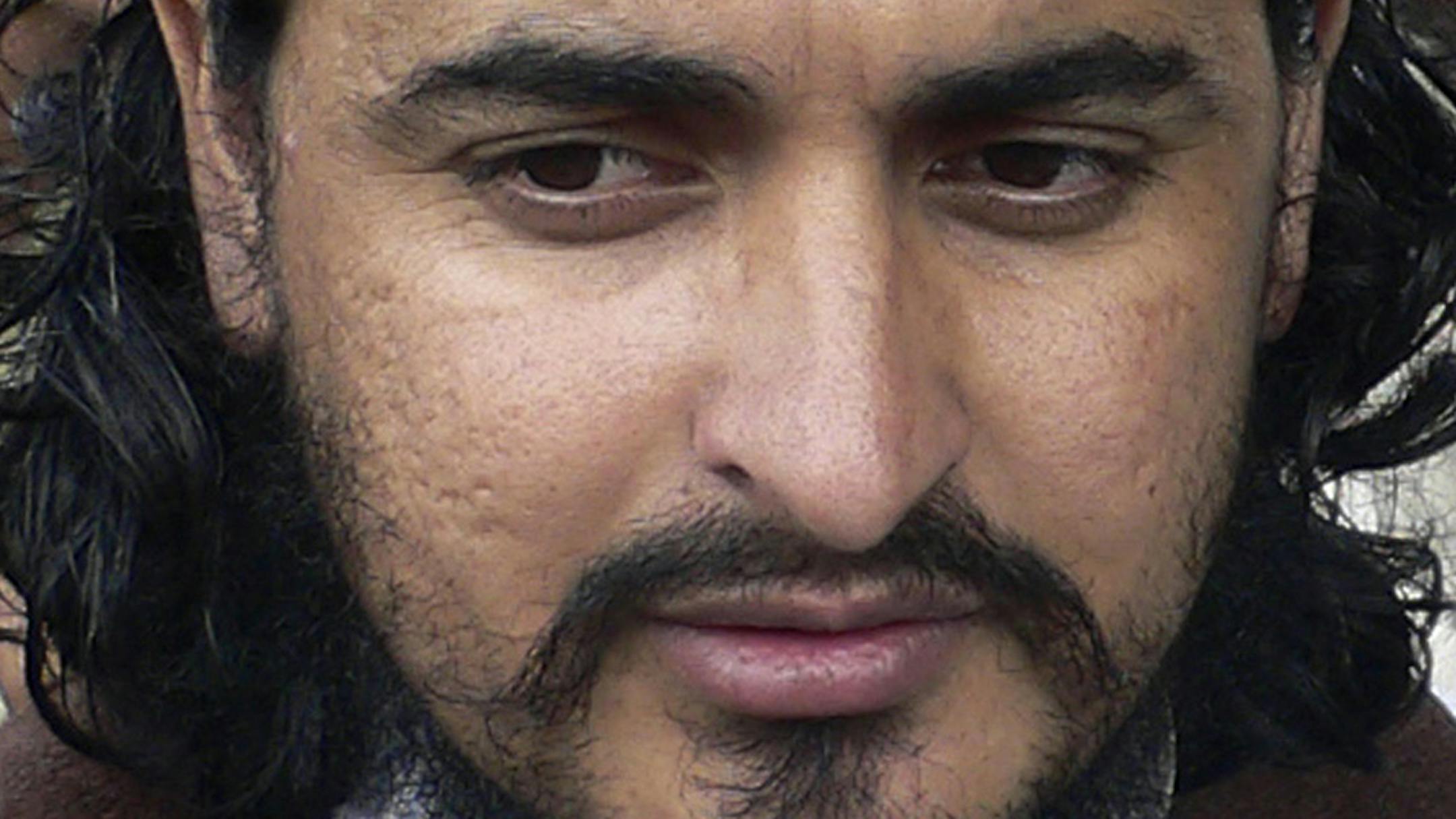
Last week a U.S. drone strike killed Pakistan's Public Enemy No. 1, Hakimullah Mehsud, the vicious leader of the Pakistan Taliban. Mehsud led a terror network blamed for the deaths of thousands of Pakistani civilians in suicide bombings. He was linked to the 2009 attack on a CIA base in Afghanistan that killed seven agency operatives. He was linked to the 2010 attempt to set off a car bomb in Times Square. The FBI had a $5 million bounty on him.
The U.S. drone program has come under enormous pressure from critics who say it claims innocent victims. But the death of Mehsud shows the enormous value of this high-tech warfare. An international threat who was most likely beyond the reach of conventional troops has been felled. His predecessor met the same fate by the same means.
Pakistan's leaders denounced the U.S. strike as a violation of their country's sovereignty. The drone campaign is unpopular in Pakistan, making it an easy target for Pakistani pols. But the politicians' outrage appears to be for public consumption.
The Washington Post recently reported that "despite all the denouncements, top officials in Pakistan's government have for years secretly endorsed the program and routinely received classified briefings on strikes and casualty counts. … Pakistan's tacit approval of the drone program has been one of the more poorly kept international security secrets in Washington and Islamabad."


