

A new study of the economics of coal-burning power plants has found that some of Minnesota's oldest units aren't worth upgrading.
The study being released Tuesday by the Union of Concerned Scientists (UCS) says that up to 18 percent of the nation's coal-based generation is ripe for retirement because adding up-to-date environmental controls would make them more costly to operate than natural gas generation or wind power.
The nonprofit group, which advocates a science-based approach to environmental regulation, analyzed federal economic and environmental data on individual power plants and concluded that 353 coal-burning units in 31 states might no longer be economically viable.
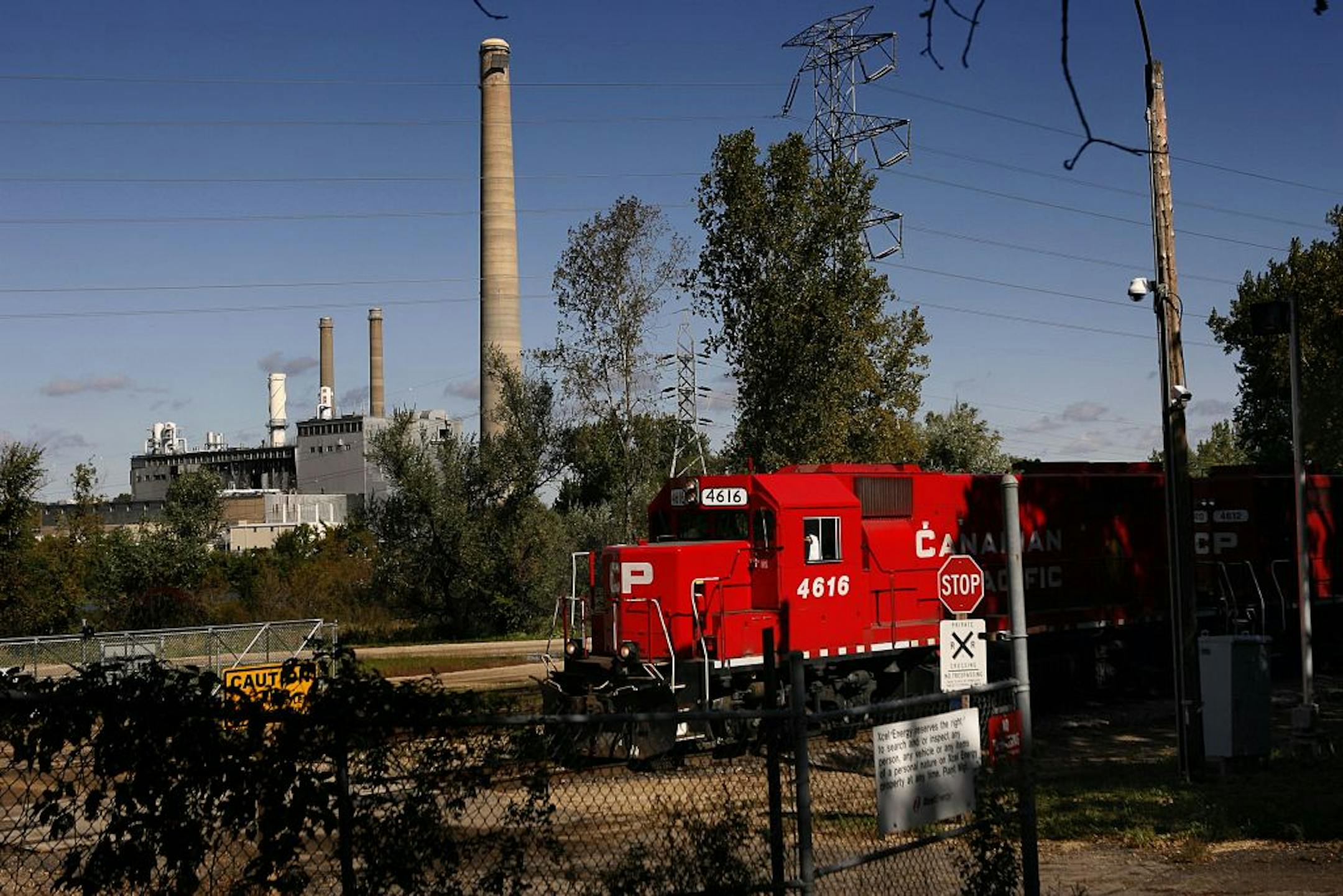
In Minnesota, the study's findings confirm decisions by two utilities, Minneapolis-based Xcel Energy and Rochester Public Utilities: Xcel will close two coal units at the Black Dog plant in Burnsville, while Rochester will retire four coal/natural gas units at Silver Lake. Both plants are expected to be shut down in 2015.
UCS researchers identified two other coal power plants as retirement candidates -- Hoot Lake near Fergus Falls, owned by Otter Tail Power Co., and the Laskin Energy Center near Hoyt Lakes, owned by Minnesota Power. The fates of those plants already are under review by state regulators.
The state Commerce Department's Energy Resources Division has concluded that customers would be better off if the Hoot Lake and Laskin plants are closed in the near future. The plants' owners disagree, and those issues likely will come before the state Public Utilities Commission in the next year.
The UCS study didn't find that Xcel's two oldest coal burners at the Sherco power plant in Becker are ripe for retirement. Xcel recently was ordered by state regulators to study those plants' future.
Nor did UCS question the economics of Minnesota Power's Taconite Harbor power plant in Schroeder, which also is getting attention from state regulators.



