Stratasys, a 30-year old pioneer in the 3-D printing industry, is in a new chapter.
After its annual revenue has barely grown in the past five or six years, it is facing a range of new competition from established printing companies, startups backed by private equity firms and others going public through deals with shell or holding companies.
At the same time, the company jointly headquartered in Eden Prairie and Israel sees a clear path to growth and feels now is the opportunity. The market is there, and the technology is no longer emerging, it's good enough for the next phase, said Yoav Zeif, the company's chief executive.
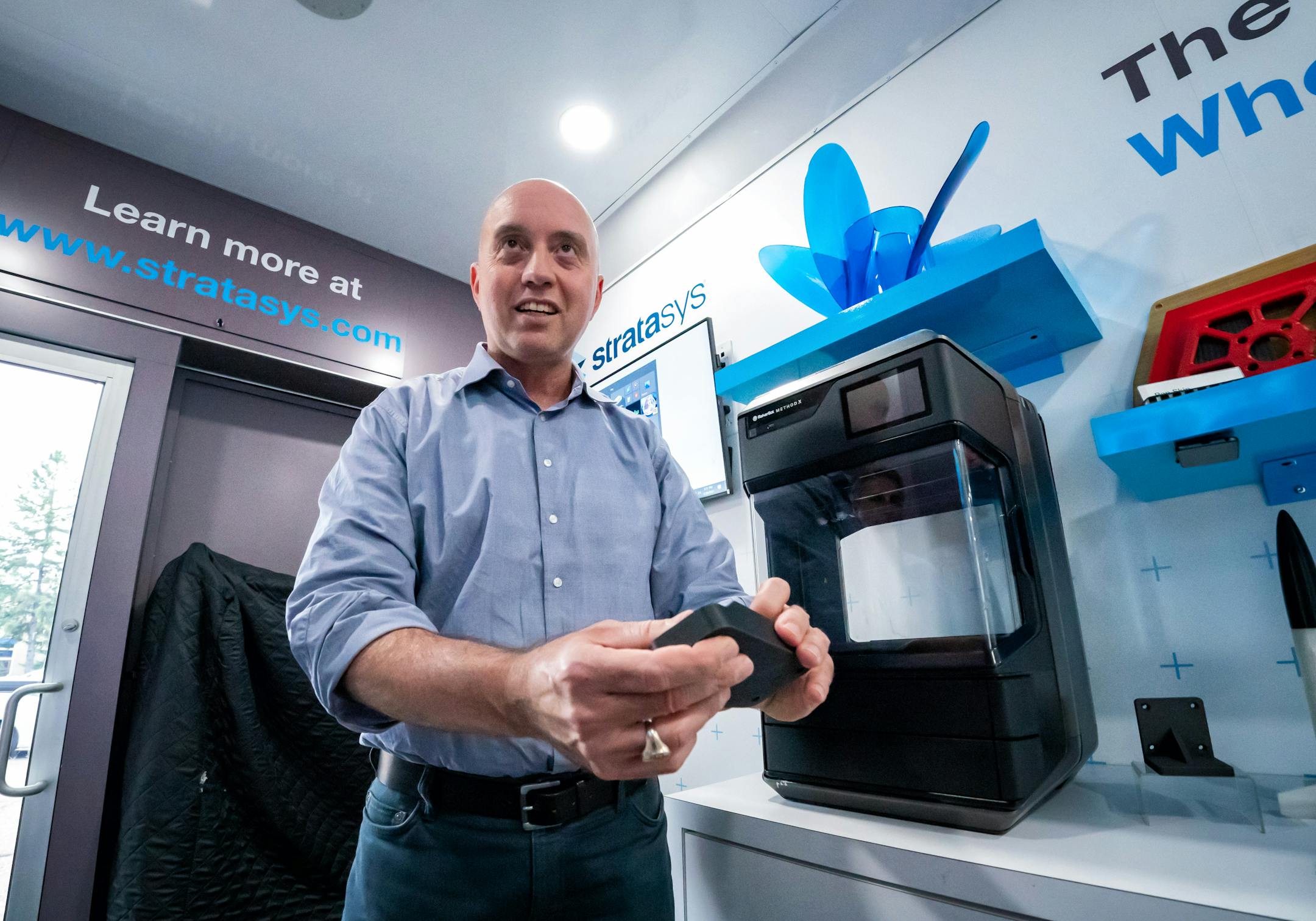
"Digital manufacturing is a distributed way of manufacturing. The world is changing and the need is there," said Zeif in an interview in July at the company's Eden Prairie manufacturing plant. "The need is there because of supply chain issues, the need to customize and the need to produce in proximity to the end customer."
Stratasys reports its second quarter results on Thursday, and analysts are expecting the company to report revenue of $136.1 million, which would be a 16% increase over the second quarter of 2020 but only a 1.4% sequential improvement over the first quarter of 2021.
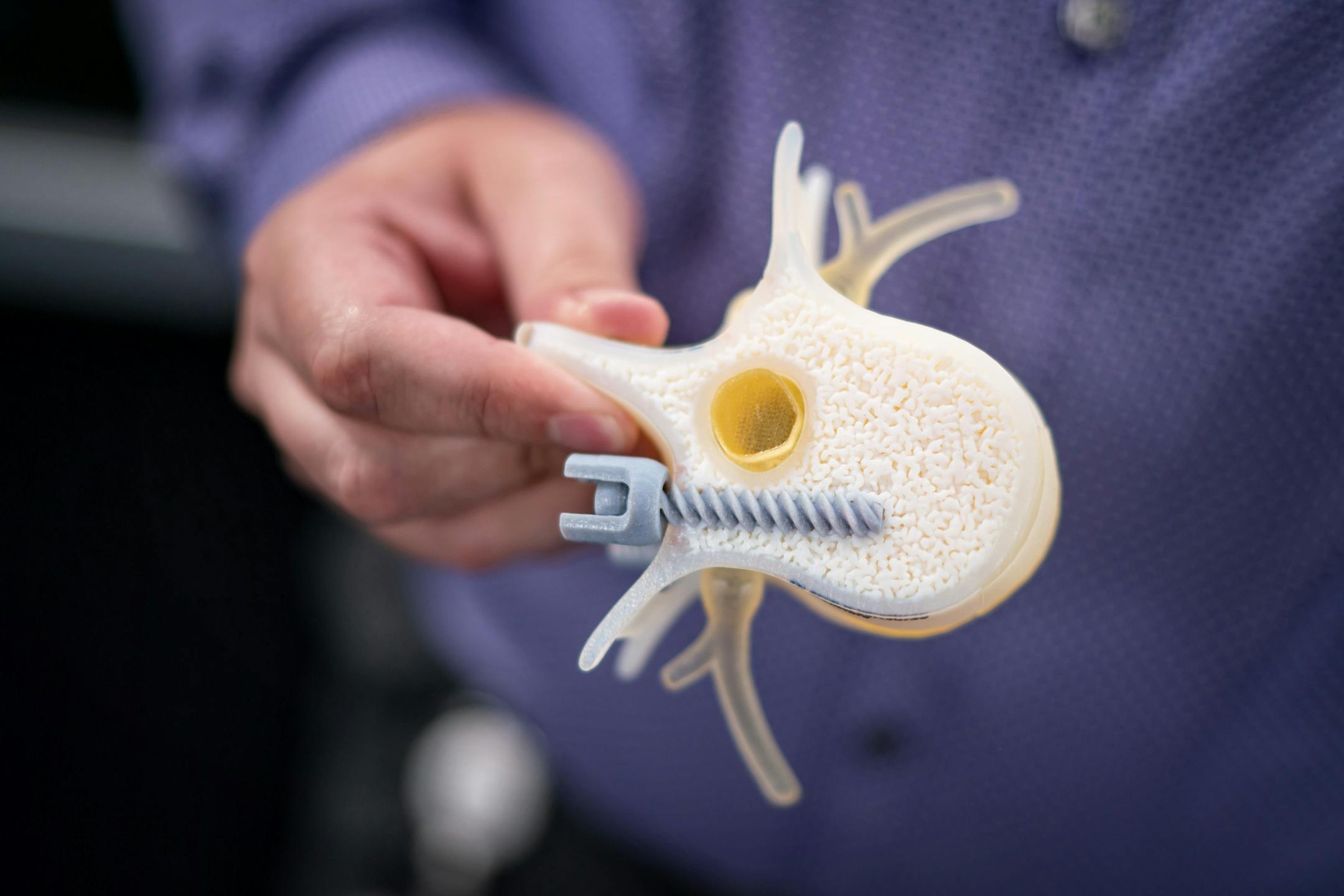
Stratasys has upped its offerings of printers in the past year, introducing seven new models that it says makes it the industry leader in 3-D polymer printing. The lineup includes some new technologies as well as machines designed for medical and dental markets.
Some of Stratasys' competitors have created machines that print in metal, but the company is committed to creating machines and technologies that use polymers because its leaders believe that has the largest future potential for digital on-demand production.
"We have a very clear strategy, in a nutshell polymer manufacturing," said Zeif, who splits his time between Minnesota and Israel.