

It's been awhile since the stock market went on sale, but investors once again have a choice to make.
Invest in stocks on a strong upward trend but trading at all-time highs, or buy companies whose share prices have just fallen substantially.
Which is more attractive: the momentum or the discount?
That age-old question is being asked in the wake of a significant selloff in Chinese equities. Interestingly, it was the Chinese government that pulled the rug out by announcing a wave of regulations designed to curb the dominance of China's biggest tech companies and flatten the country's economic landscape.
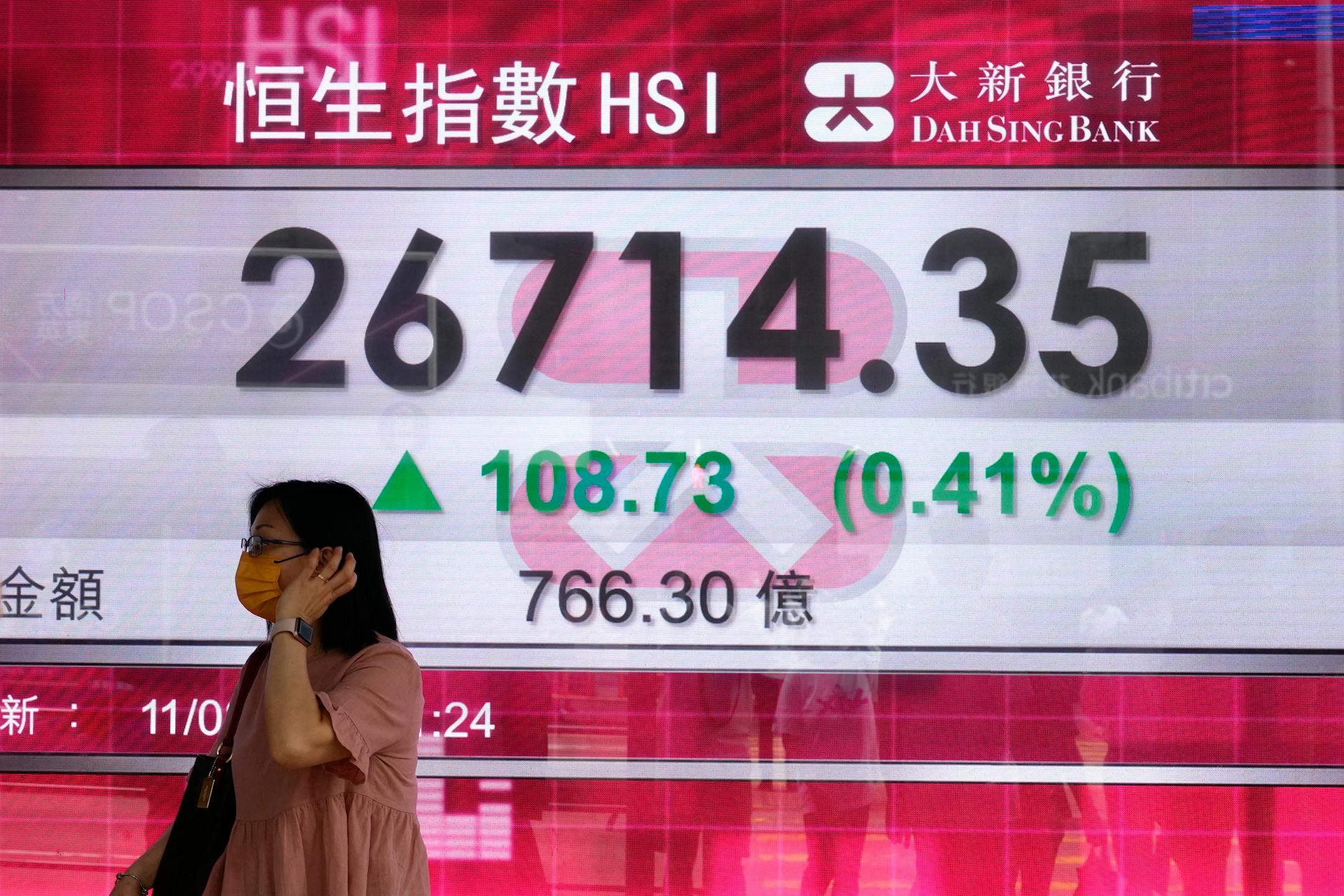
The fallout was steep. In just three trading days from July 22 to July 26, Hong Kong's Hang Seng stock index dropped 11%. At its low, the benchmark was more than 20% below its mid-February high.
With Chinese companies comprising more than one-third of the major Emerging Markets benchmarks, the EM category as a whole also took a hit. The MSCI Emerging Markets Index lost roughly 7 and 15% over the same periods. Investors are left to wonder what's next.
The truth is the authoritarian leanings of China's government make Chinese companies vulnerable to impromptu regulatory crackdowns like we witnessed in July. It's admittedly harder to have confidence in your bet if the rules of the game keep changing.
This unpredictable environment and lack of transparency has led some to suggest China could become uninvestable.


