
Stillwater-area treatment program tagged with multiple violations that endanger clients

The state cited Care Crossings for more than 100 breaches of state law or rules. Whistleblowers say the business has long had issues.

The Minnesota Star Tribune
November 7, 2025 at 11:30AM
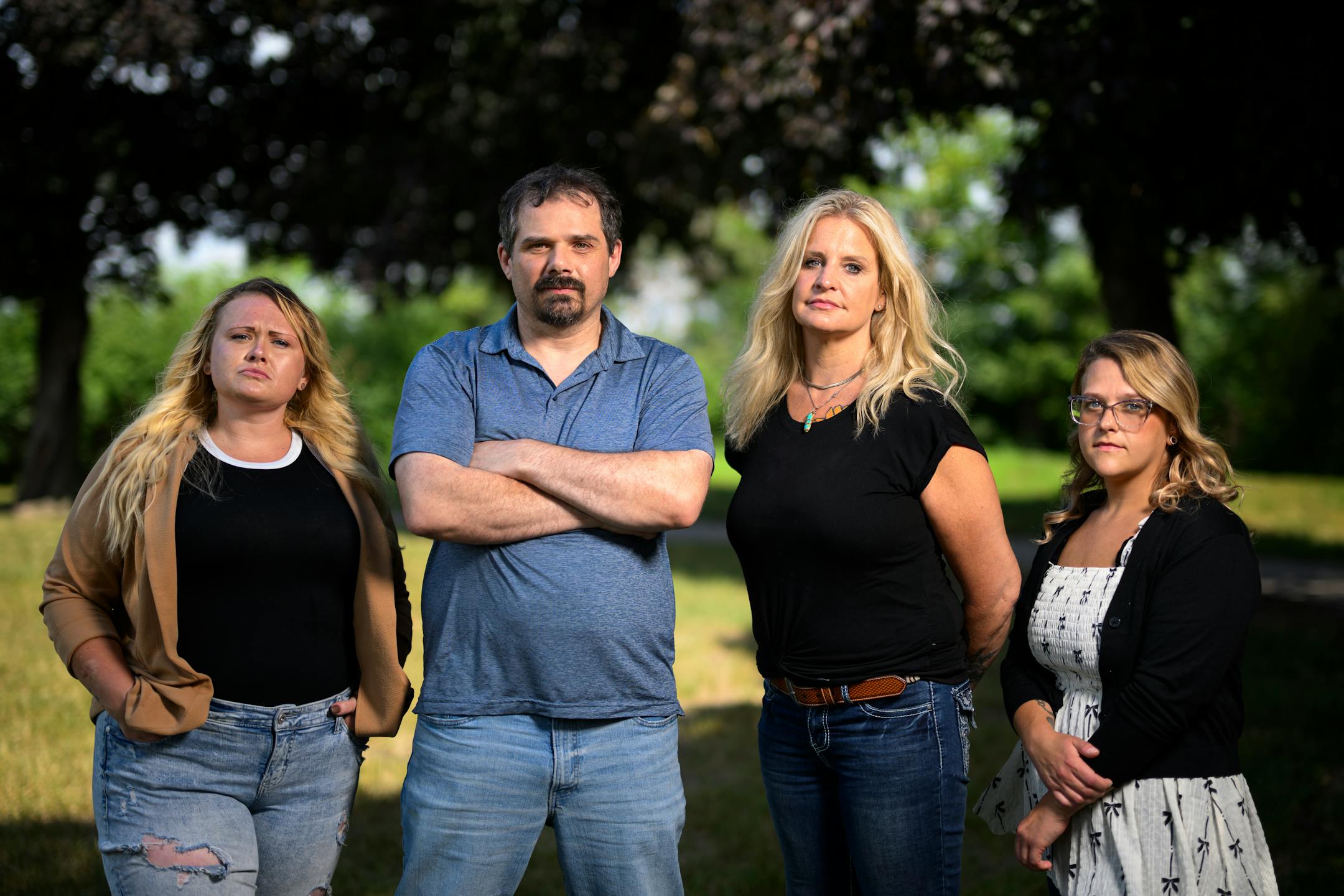
From left, former Care Crossings drug and alcohol counselors Sam Bucholz-Anderson, Aaron Elliott, Jennifer Scouton and former administrative staffer Ashley Todd on July 11. (Aaron Lavinsky/The Minnesota Star Tribune)

A new state report has cited a Stillwater-area substance abuse treatment program for more than 100 breaches of state law or rules, confirming what whistleblowers long suspected.

Last summer, several former employees and clients of Care Crossings alleged the Oak Park Heights business broke laws and had unethical, fraudulent and potentially dangerous practices.

After an investigation, which included visits to Care Crossings over several days in late July, state officials with the Department of Human Services agreed, detailing in an Oct. 24 correction order 27 violations ranging from inadequate record-keeping to billing for services that were not provided.

Other alleged violations included excessive caseloads, falsified documentation and illegal group sizes. Former employees said Care Crossings regularly used unlicensed staff to lead group therapy sessions.

Lisa Berger-Kahn, who had been an intern at Care Crossings and led a women’s group, said she felt “vindicated” by the state report confirming what whistleblowers said months ago. For a long time, she said, owner Cathleen Harvieux had been telling former clients the whistleblowers were simply angry ex-employees with axes to grind.

“More importantly,” Berger-Kahn added, she was glad the state report confirmed the violations, “because these are vulnerable adults; they need to know that people care for them.”

Harvieux did not respond to several requests Wednesday and Thursday from the Minnesota Star Tribune seeking comment.

But in an interview in July, Harvieux denied committing fraud and said state officials were welcome to investigate. While she said she does things “out of the box,” she said her decades of experience have shaped a program that benefits the roughly 100 clients served.


Jennifer Scouton, a former Care Crossings counselor, said Harvieux’s efforts to tarnish the reputations of the former staffers who filed complaints with other agencies and clients has been harmful.

“And I think it will discourage whistleblowing,” Scouton said. “It’s just a mess. It’s a real mess.”

Harvieux was told in August she was being fined $200 for using a “disqualified” staff person to provide direct services to clients. In the correction order, state officials said that if she failed to correct the violations cited, she may be fined or have her license sanctioned.

Care Crossings’ start

A vast majority of Care Crossings’ clients’ treatment is paid for by the state-run Medicaid program. DHS data shows Care Crossings received more than $1.2 million in Medicaid reimbursements last year and more than $740,000 so far this year.

In the July interview with the Star Tribune, Harvieux characterized former staffers’ complaints as “coming from people who are inexperienced and have an educational knowledge base but not a practical knowledge base.”

She said she has been in the industry for four decades and started Care Crossings five years ago. The outpatient treatment and counseling service program has about 15 staff members. Their treatment-to-work model helps clients gain independence and is different from many other programs, she said, noting it is more flexible, including allowing clients to decide how often they want to meet one-on-one with a counselor.

“People don’t understand you can deliver treatment in a way that is beneficial for clients, with a favorable outcome, and you can have 40 clients on your caseload and still deliver awesome treatment by the processes and systems that I’ve set up at Care Crossings because I have the years of knowledge and experience to do that,” Harvieux said.

Disputing allegations

She and lead counselor Kelly Ables disputed last summer the allegations that group therapy sessions have 30 or more clients per counselor. They said counselors were supposed to individualize treatment plans after there’s been an assessment and meeting with a client, and Harvieux said she didn’t know why people weren’t doing that.

People had been attacking her business on Facebook and in client emails, she said then, and she believed some were trying to take her clients.

Now that state officials have affirmed the violations brought forward by the former staff members, Berger-Kahn said Harvieux’s claims have been discredited.

“I hope this shows we’re right. And I hope this accountability will ensure good agencies will continue to be able to provide care,” she said, adding about the whistleblowers: “Their efforts likely prevented further harm to clients and have helped ensure accountability within the organization. These individuals were not troublemakers; they were professionals fulfilling their ethical duty to protect vulnerable people in care.”

Some of the violations were a repeat of improper practices that were documented by state investigators in 2023 and have not been corrected.

During a review two years ago, state licensors found Care Crossings violated 15 treatment rules and statutes, including requirements on assessments, treatment plans and discharge summaries.

Berger-Kahn said she hopes the business makes the required changes.

“The clients deserve ethical, compliant care, and the staff deserve an environment where their professional voices are respected rather than silenced,” she said. “Moving forward requires acknowledging harm, rebuilding trust and ensuring oversight so that this never happens again.”

Jessie Van Berkel of the Minnesota Star Tribune contributed to this story.

about the writer

about the writer

James Walsh

Reporter

James Walsh is a reporter covering social services, focusing on issues involving disability, accessibility and aging. He has had myriad assignments over nearly 35 years at the Star Tribune, including federal courts, St. Paul neighborhoods and St. Paul schools.

See Moreicon

More from Twin Cities Suburbs

See More
card image