
Steel's new luster spurs Iron Range projects

U.S. Steel's KeeTac plant expansion is just one sign that iron mining, like global demand, is growing.

February 2, 2008 at 4:20AM
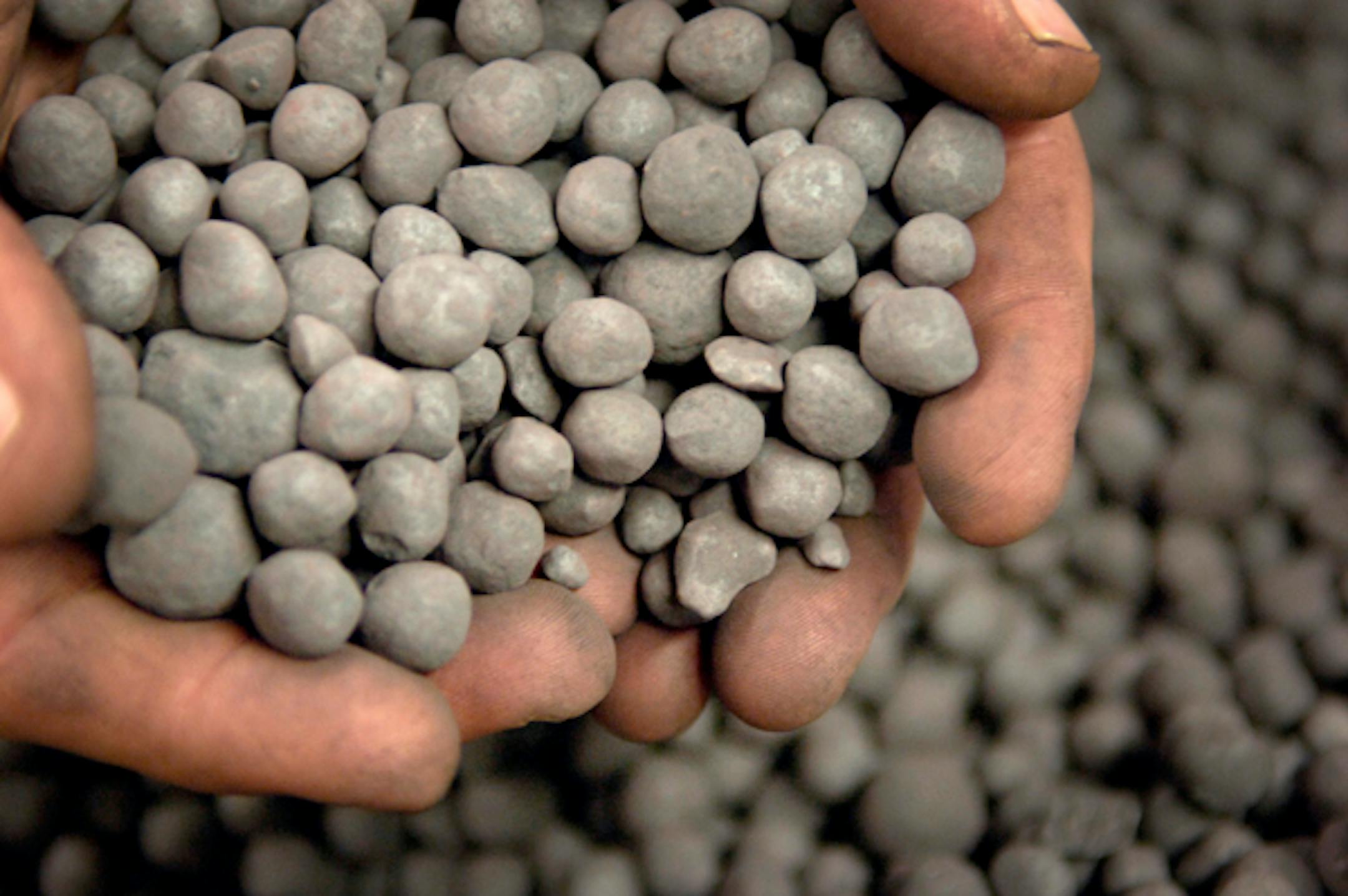
Taconite is a hard-rock form of iron ore that has to be crushed and condensed into pellets before it is shipped to steel mills.
Taconite is a hard-rock form of iron ore that has to be crushed and condensed into pellets before it is shipped to steel mills. (Stan Schmidt — Star Tribune/The Minnesota Star Tribune)

The idled KeeTac production line that is getting a $300 million makeover, courtesy of U.S. Steel, is expected to be up and running 36 months after environmental permits are in hand, officials announced Friday at Keewatin City Hall.

The revived production line, down since 1980, is part of the existing KeeTac plant, where about 6 million tons of taconite pellets are made each year.

With the expansion, Pittsburgh-based U.S. Steel will install new emission controls, energy-efficient technologies and equipment that will boost KeeTac's taconite-pellet production by a third. It will also create 75 full-time jobs and 500 construction jobs. The expansion will increase KeeTac's taconite pellet production by 3.6 million tons to 9.6 million a year, U.S. Steel CEO John Surma said.

Gov. Tim Pawlenty and U.S. Sens. Norm Coleman and Amy Klobuchar were present Friday and welcomed the news as a boost for the Iron Range, which has suffered a series of mine bankruptcies and plant shutdowns in recent years.

"This is an exciting day for the Iron Range," said Klobuchar, whose grandfather worked in the Zenith Mine in Ely. "Over the decades, this area has seen more than its fair share of ups and downs. But we've always known that we were in it for the distance. ... This new investment offers the promise of new economic development, new jobs and new opportunities for the people of this region. It also shows that iron mining continues to be a big part of the economic future of northeastern Minnesota."

Because of a spike in global demand for iron and steel and even copper and nickel, Minnesota's Iron Range is back on the map.

Several big mining and production projects are in the planning or development process.

U.S. Steel spokesman John Armstrong said the extra taconite produced at the Keewatin plant will help feed the company's two newly acquired Stelco plants in Ontario.
With the Canadian plants, "We now have more steel-making capability and if we can provide our own iron ore [taconite pellets] for it, we can make that steel" more economically, Armstrong said.

"By us being able to control the cost of our own iron ore, we are not subjected to the fluctuations in the iron ore market," he added. "It allows us to be a much more competitive steelmaker. If the price of steel is up, we make a bigger margin. If the price of steel goes down, we are still making a margin. Whereas somebody who is paying the high cost of iron ore is making smaller margins."

Mining analyst Chuck Bradford of Bradford Research said KeeTac could prove a major win for U.S. Steel.

Iron ore taconite pellets generally cost $20 to $25 a ton to produce, and the cost is rising.

"The world iron ore price is going to go up 50 percent. ... So U.S. Steel is in a very advantageous competitive position compared to other steel companies that have to buy their iron ore," Bradford said. "The Minnesota operation is going to save them a lot of money. They may be one of the lowest-cost steelmakers right now."

Officials said they hope to see the KeeTac expansion completed in 2011.

Dee DePass • 612-673-7725

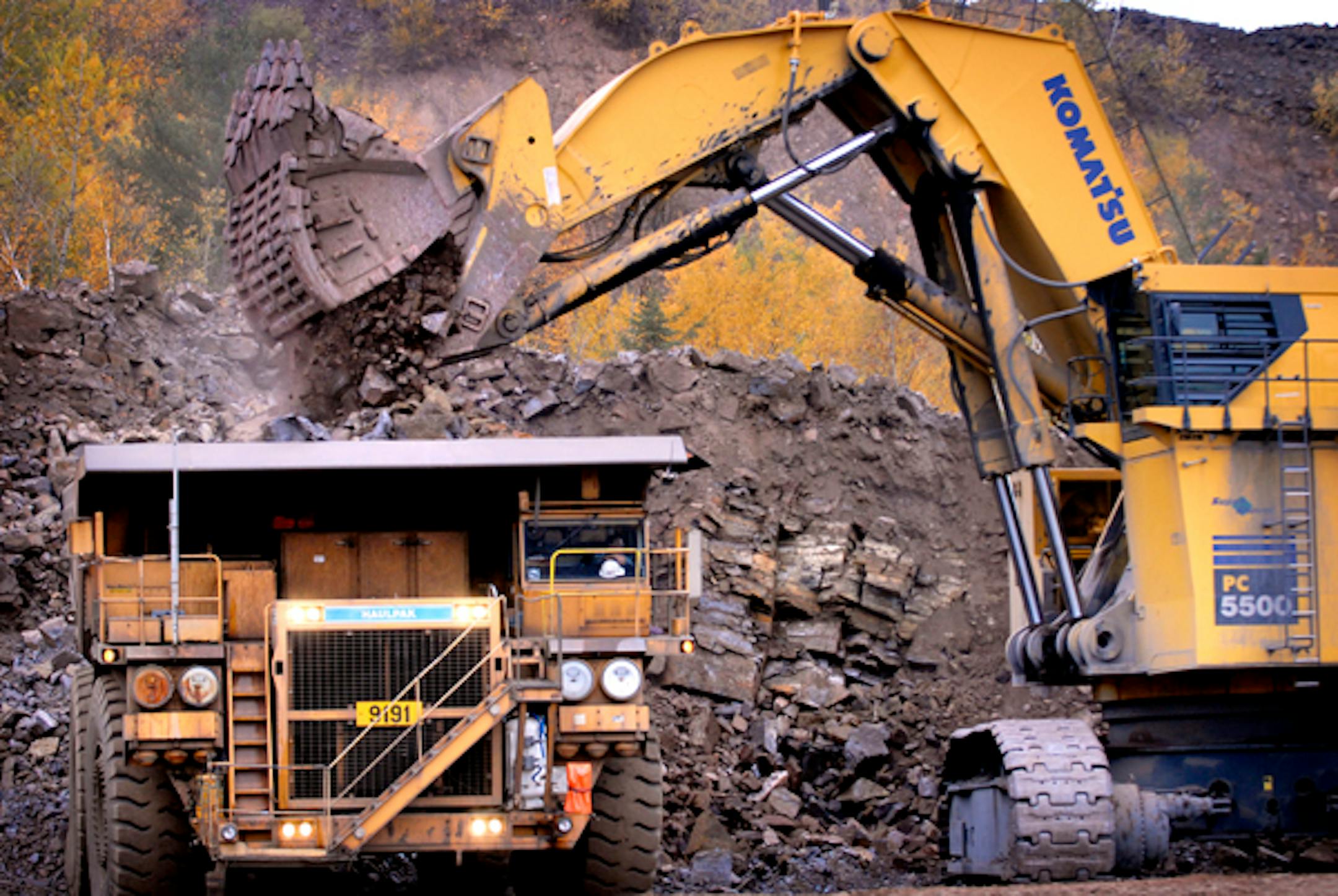
A gigantic earth-moving machine shoveled taconite ore chunks — as much as 50 tons at a time — into a 240-ton dump truck at United Taconite in Eveleth, Minn., in 2006.
A hydraulic shovel in Eveleth, Minn., dumped tons of taconite ore chunks into a 240-ton truck. (Stan Schmidt — Star Tribune/The Minnesota Star Tribune)
about the writer

about the writer

Dee DePass

Reporter

Dee DePass is an award-winning business reporter covering Minnesota small businesses for the Minnesota Star Tribune. She previously covered commercial real estate, manufacturing, the economy, workplace issues and banking.

See Moreicon

More from Business

See More
card image
Anthony Soufflé/The Minnesota Star Tribune

Minnesota jewelry designer Emily Johnson is among those upset with Amazon over its new AI feature, which uses product images and descriptions from their websites.

card image
card image
