

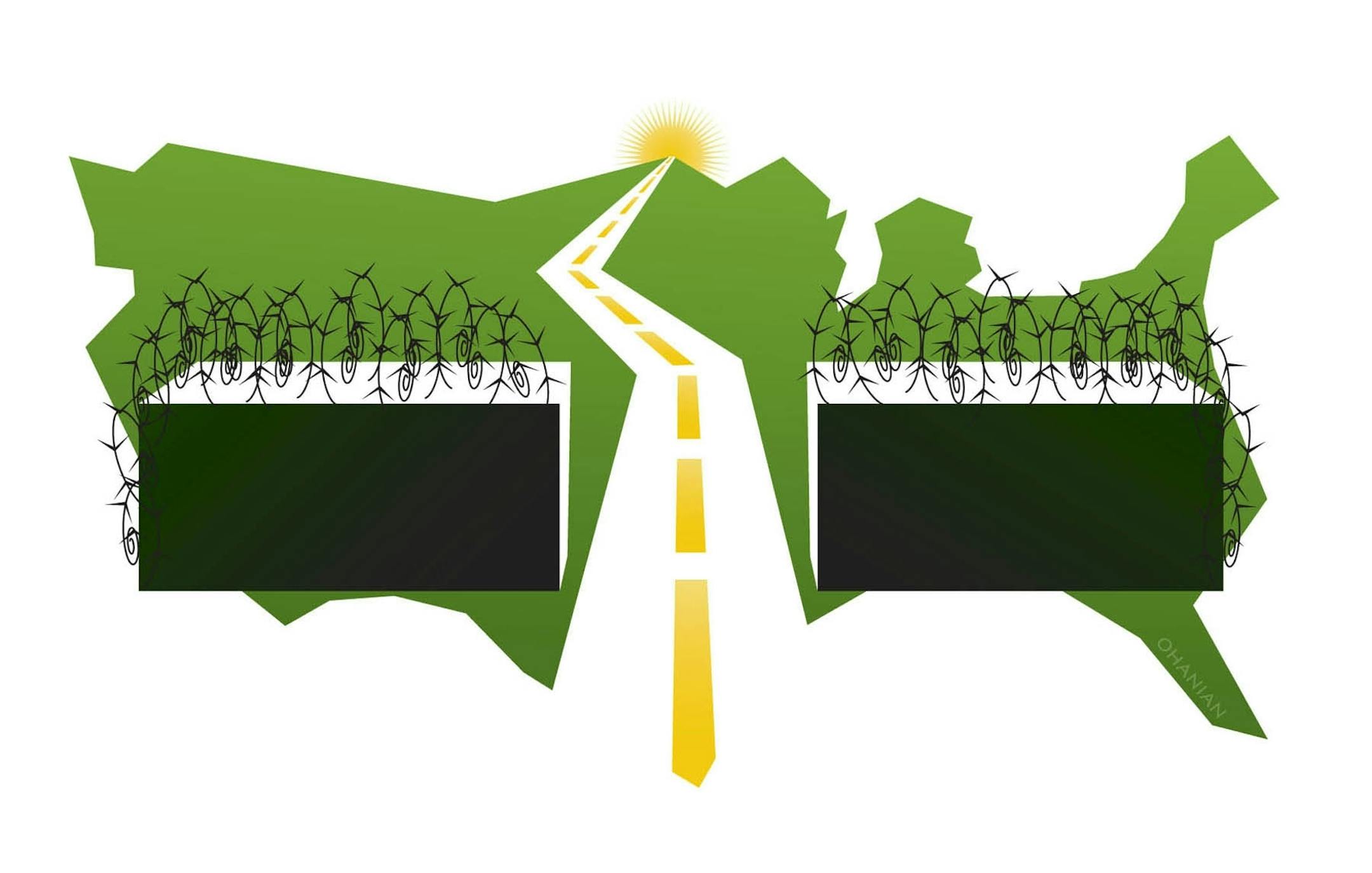
On Feb. 7, Minnesota joined the Secure Communities program, a program used by the Immigration and Customs Enforcement (ICE) agency to apprehend potentially unlawful noncitizens.
ICE claims it is used to catch the most dangerous noncitizens, and the Hennepin County sheriff hailed the program.
The ACLU-MN is concerned about this program. Secure Communities is ineffective at actually catching dangerous noncitizen criminals, is costly and violates due-process rights.
Under Secure Communities, when the FBI receives fingerprints from law enforcement in Minnesota, it will now forward the prints to Homeland Security, which will run them through a database called IDENT.
That database holds fingerprint data on more than 90 million people, both foreign nationals and U.S. citizens. ICE can request that local law enforcement hold a suspected individual in jail beyond the limits of state-sanctioned custody.
While we want to think Homeland Security is only reviewing noncitizens, the reality is different. It reviews everyone.
A study by the Warren Institute at the Berkeley Law School estimated that more than 3,600 U.S. citizens were unlawfully held due to Secure Communities flags. From the time Secure Communities began in October 2008 through April 2011, Homeland Security received 7.8 million sets of fingerprints.
Of those, less than 7 percent were flagged as noncitizens, and less than 3 percent were actually placed into ICE custody. Less than 1 percent of all individuals in the database were flagged as "L1" offenders, a label reserved for the most dangerous offenders that are the program's supposed targets.


