

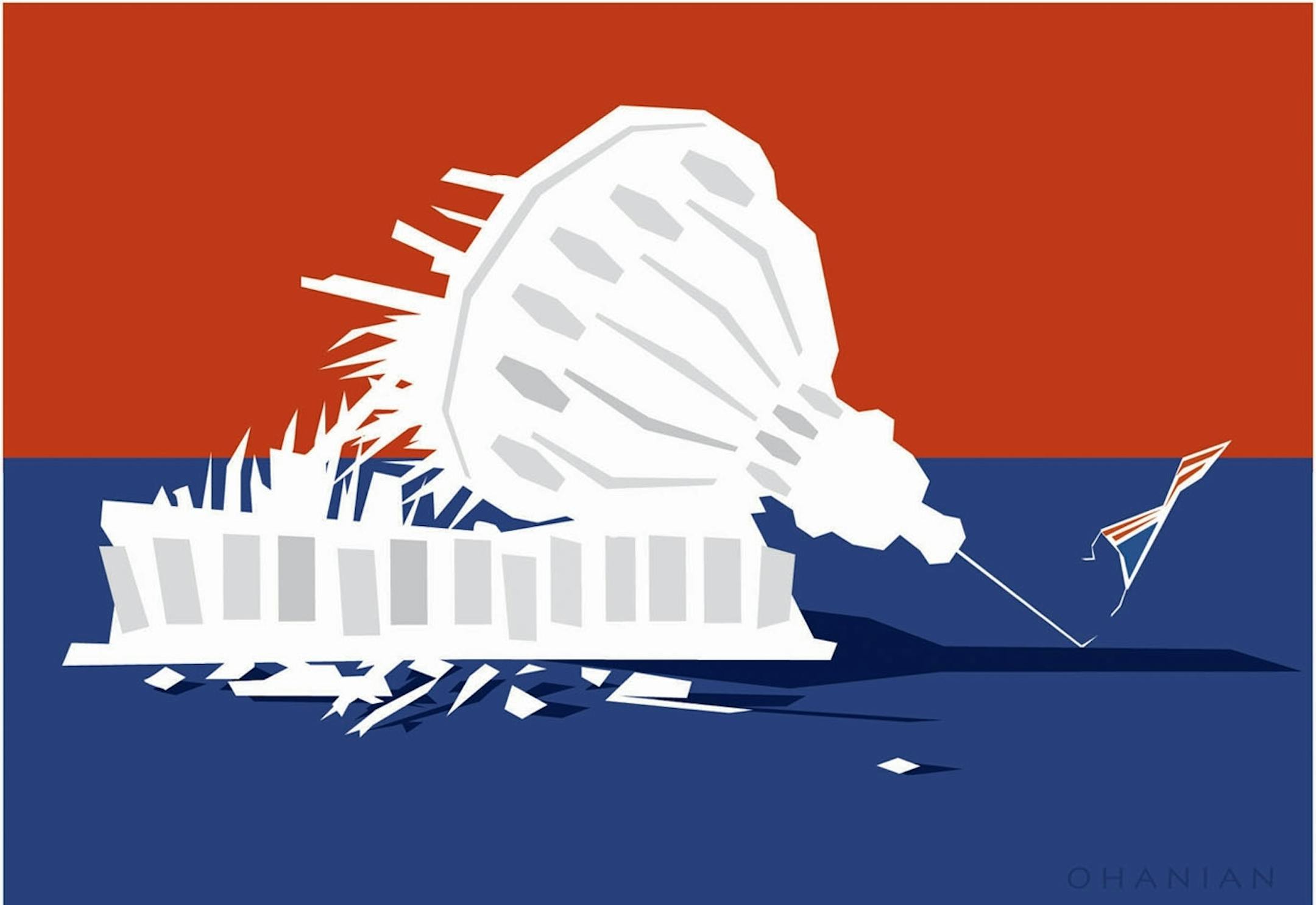
On Wednesday, the entire Legislature gathered at the University of Minnesota to discuss the challenges facing this great state. Then, legislators closed the door and said that the public could not listen in to hear their thoughts and concerns.
Really?
Let's consider a parallel. Imagine, just imagine, if Congress took a day, met at Georgetown University and invited the great thinkers of the country to weigh in on the nation's problems, then said the public couldn't attend.
It would be unthinkable. It would be a slap in the face to everything this government of the people, by the people and for the people stood for.
At the One Minnesota conference, we had officials elected and paid by the public meeting at a university supported by the public and hearing from a number of state leaders such as the president of the University of Minnesota, whose salary is paid for with public dollars.
I cannot think of any topic that was discussed that could not or should not have been open to the public.
As this was brought to my attention, I asked the lawyers who often represent the Star Tribune on freedom-of-information issues to intervene or explain why this was legal.
The response was relatively simple: The Legislature has one rule for the other governing bodies in this state and a separate rule for itself. Minnesota's open-meetings law requires other governing bodies such as city councils and county boards to hold all meetings, formal or informal, in the open.


