

Despite resolute stirrings of an economic recovery, Minnesota's marquee retail companies remain stuck, putting a damper on the overall financial achievements of the state's top public companies in the Star Tribune 100.
"This wasn't a good time to be a retailer," said Tom Stinson, the former state economist who now is an economics professor at the University of Minnesota. "That's the underlying story."
Sales rose less than 1 percent collectively at Minnesota's 100 largest publicly traded firms, while profits and employment both fell.
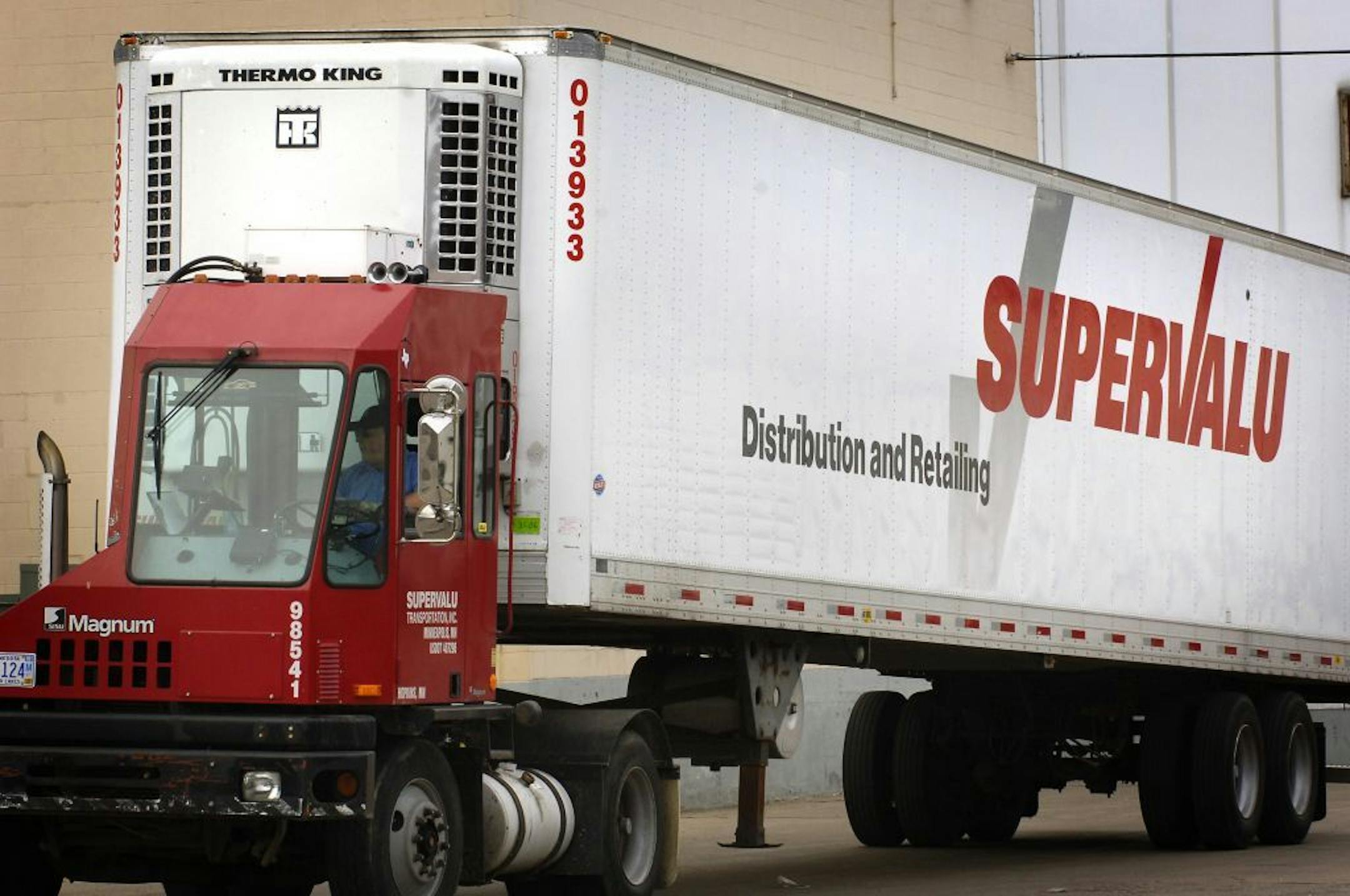
Much of the drag came from grocery giant Supervalu and mass merchandizers Best Buy and Target. Those firms, in various stages of retrenchment, recorded some of the largest net revenue declines among the field.
But offsetting the retail woes were mega-gains from a handful of the state's biggest companies: UnitedHealth Group, 3M, Medtronic, and U.S. Bancorp. Those four led a baker's dozen companies in the Star Tribune 100 whose market values grew by at least $1 billion.
The dichotomy seems to be driven by a downshifting in consumer spending, still lingering after the global financial crisis of 2008-09. Retailers lost their luster during the Great Recession as consumers slashed discretionary spending. Many Americans still are spooked.
Minnesota's best-known stores, Target and Best Buy, have been slower to recover than luxury brands such as Nordstrom, or discount warehouses such as Costco.
"The middle really hasn't been the place to be," Stinson said. "Things have gotten better, but you don't feel like going out and buying more consumer electronics."



