

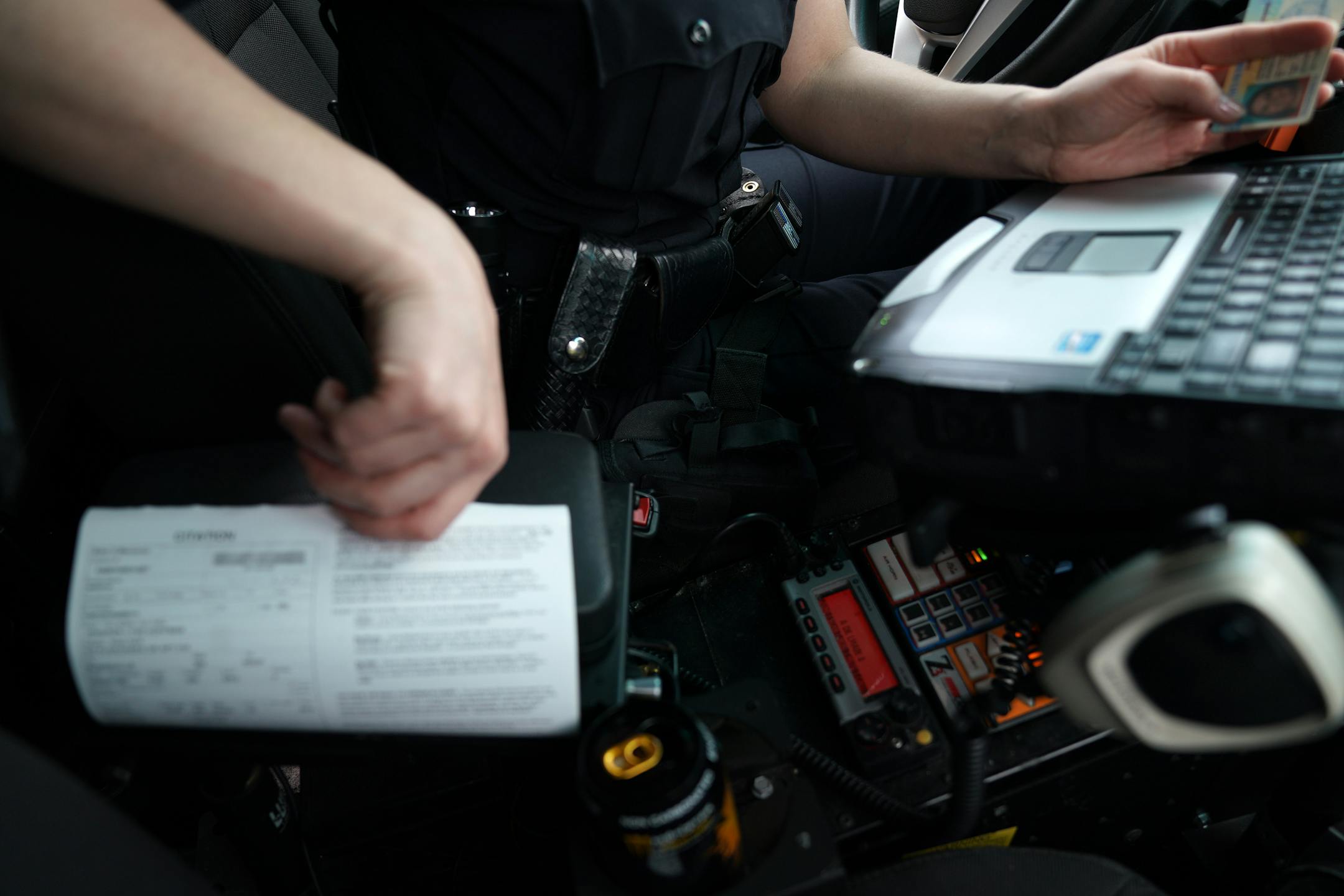
For years, Ramsey County Sheriff Bob Fletcher advised his deputies to monitor the social media pages of devout police radio listeners for details on unfolding Minneapolis incidents in case a fleeing suspect fled east into his territory. Watching their real-time updates, he said, was easier than toggling to the scanner channels of a different jurisdiction on top of the six under his charge.
When Minneapolis encrypted its police radio traffic in May — preventing the public from listening in on radio traffic between officers and emergency dispatch — that resource largely went away.
“That’s been a big loss for us,” said Fletcher, a vocal opponent of encryption. “We used to have timely information.”
About four months have passed since Minneapolis encrypted its police scanners. The changeover comes amid a surge in police departments nationwide that have made the same shift.
Departments that encrypt say they are trying to abide by federal requirements that prohibit publicly airing some information, and to ensure officers’ safety in situations where a suspect might be listening to the scanners.
Opponents, however, argue that it damages transparency and police accountability at a time when those issues remain under intense scrutiny following the murder of George Floyd by former Minneapolis police officer Derek Chauvin.
On Aug. 27, when Robin Westman attacked Annunciation Church, killing two children and injuring 21 other people in Minneapolis, encryption reduced what could be heard. Rick Abbott, the founder of the popular MN Crime Watch page on social media, said scanner traffic that morning gave “limited, fragmented details,” whereas in past cases, his page would have been able to provide a fuller account of the shooting more quickly.
The Hennepin County Sheriff’s Office was the first known Minnesota agency to encrypt in 2019. Police in Edina and St. Louis Park and sheriff’s offices in Carver, Dakota and Scott counties have also encrypted, and Anoka plans to do so in 2028.


