When disaster strikes, José Andrés is ready.
For more than a decade, the award-winning chef and his army of volunteers have been on the front lines, feeding communities impacted by natural disasters and humanitarian crises through his World Central Kitchen nonprofit.
What started as one man's vision is now a network of chefs that has prepared more than 300 million meals worldwide. The World Central Kitchen's Chef Corps has hundreds of willing cooks in dozens of countries ready to deploy as the needs arise.
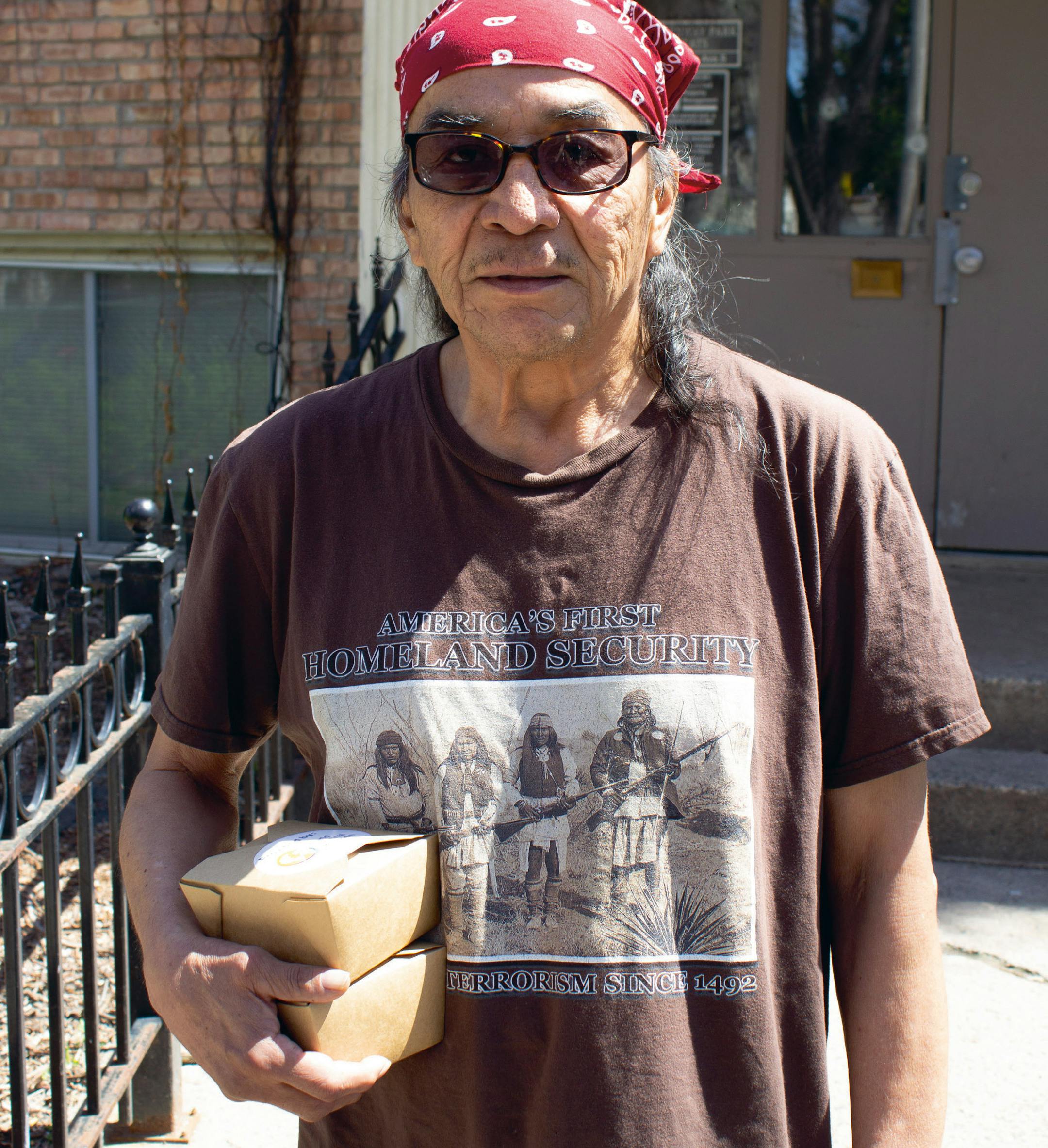
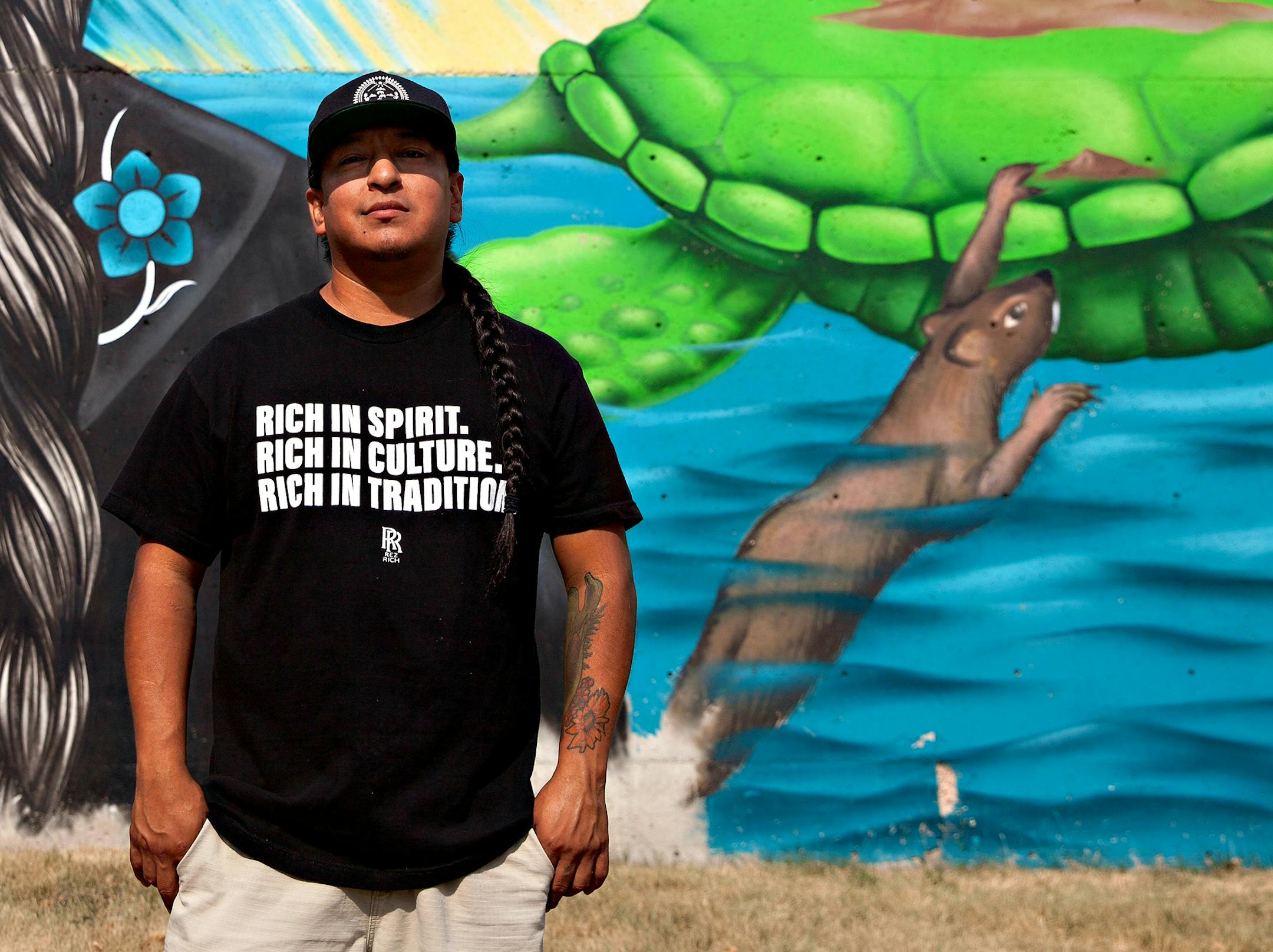
One of those chefs is St. Paul's Brian Yazzie, who during the pandemic started the Feed Our Elders program through the Minneapolis American Indian Center. Then the chef at the center's Gatherings Cafe, Yazzie and his team would deliver up to 300 meals a day, emphasizing Indigenous ingredients and healthy cooking.
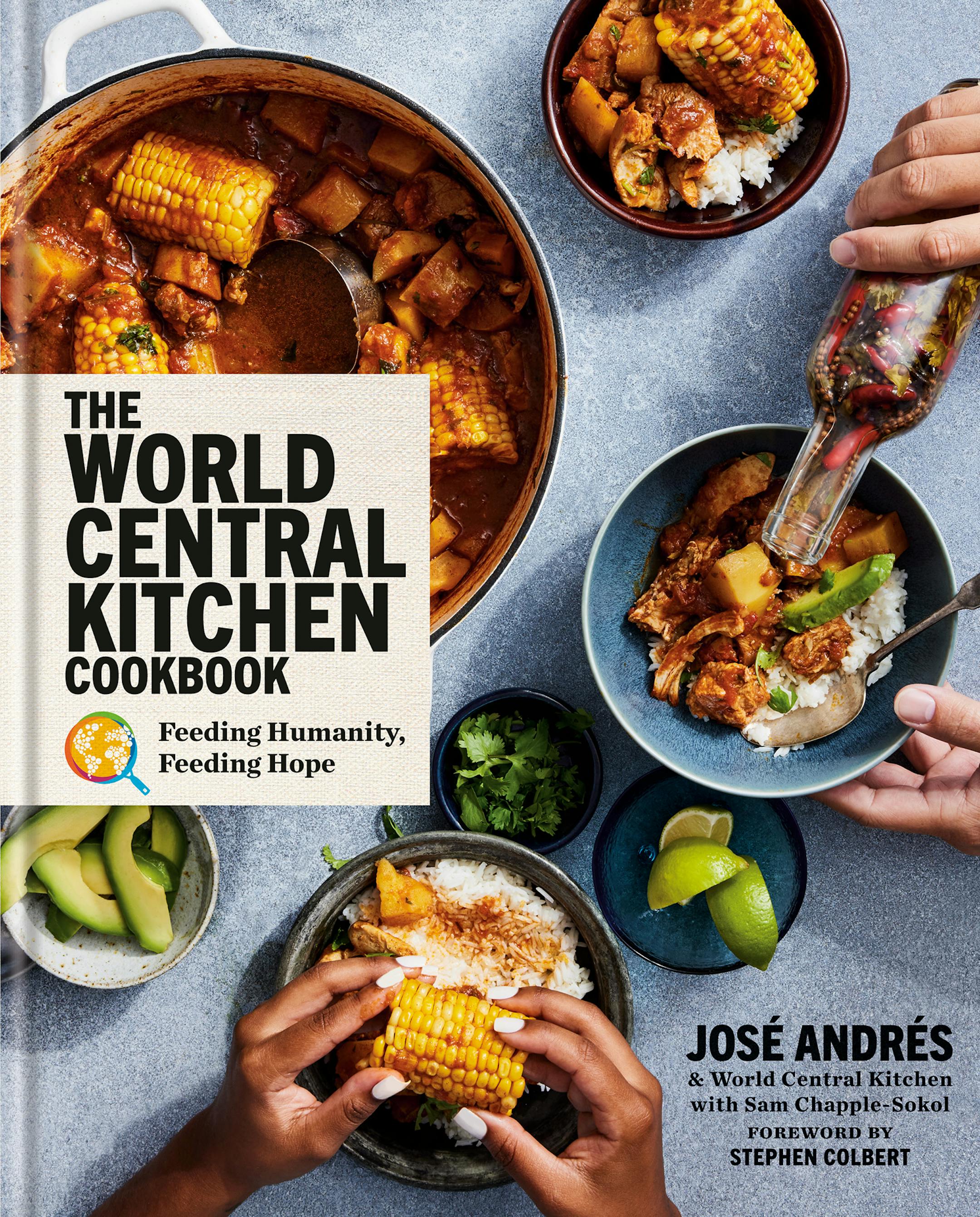
Yazzie also is among the chefs featured in the new "The World Central Kitchen Cookbook: Feeding Humanity, Feeding Hope" (Clarkson Potter, $35). The book is a collection of stories and recipes from volunteer chefs like Yazzie, celebrity supporters and local cooks from areas they've served.
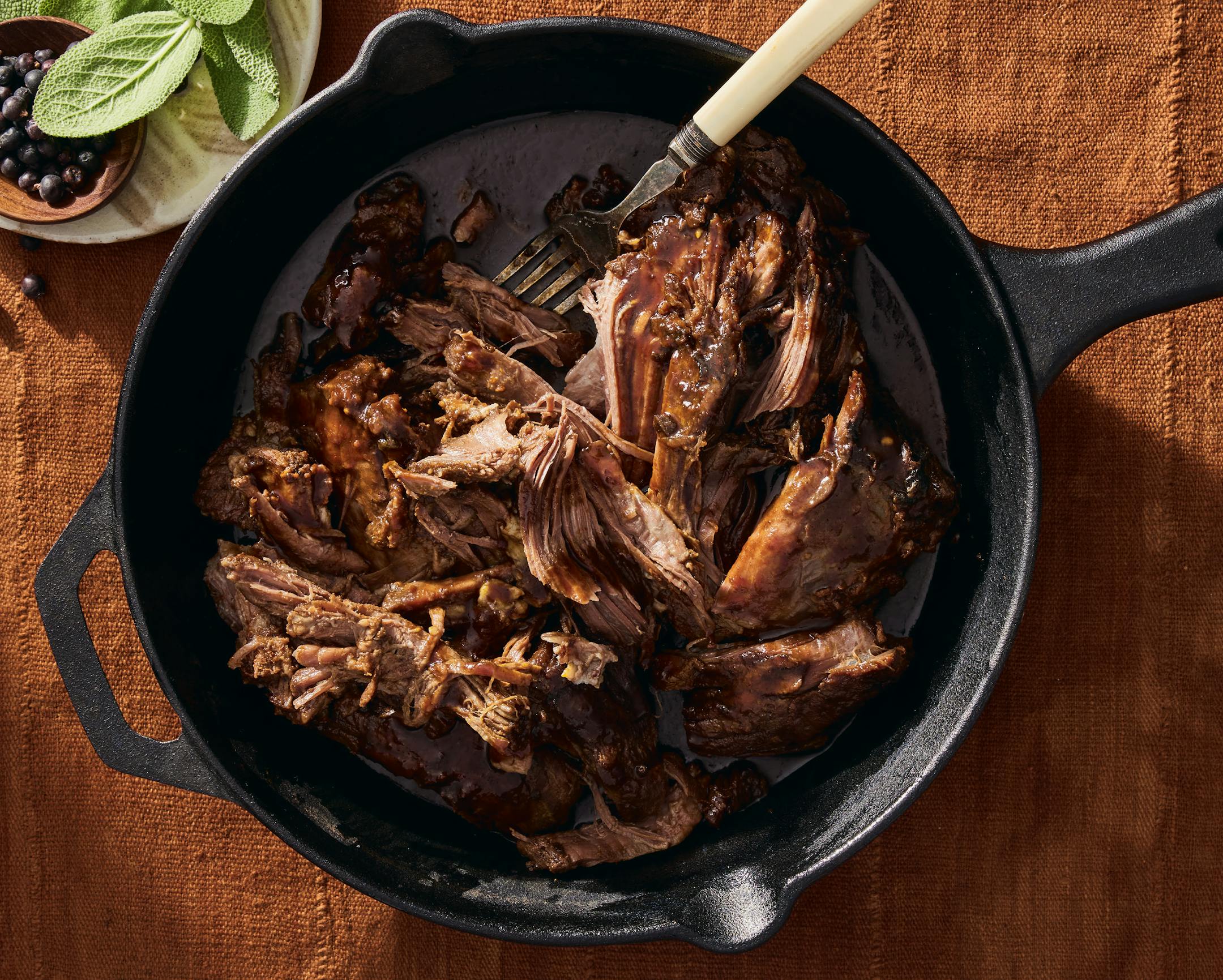
Much like Andrés' nonprofit, the book has a mission: to feed and educate. Chapters are organized by WCK's values — Empathy, Urgency, Adaptation, Hope, Community, Resilience and Joy — and Andrés' portion of the proceeds goes back to WCK. Yazzie's recipe, for Sage and Agave Braised Bison, appears under Empathy, along with other braises and long cooks. "When things look the darkest, the best of humanity really shines through," Andrés wrote in the chapter introduction. "Without empathy, nothing works."
We caught up with Yazzie via email about his work with World Central Kitchen, the resurgence of Native cooking and how he landed in Minnesota. The conversation has been edited for length and clarity.
Q: You opened Gatherings Cafe at the start of the pandemic as restaurants were forced to close but transitioned to the Feeding Our Elders program. How did that, and your involvement with WCK, come about?
A: From the beginning of the pandemic, I wanted to help the BIPOC community with providing healthy Indigenous foods. Respectfully, a healthy alternative was needed, especially for those whose immune systems and means of travel are compromised. I was hired as an executive chef as a friend of mine, Ben Shendo, was exiting. As a transition, we shifted from a traditional cafe to a community kitchen, serving BIPOC elders in the Twin Cities area. We served an average of 800 to 1,200 meals a week the first six months.