

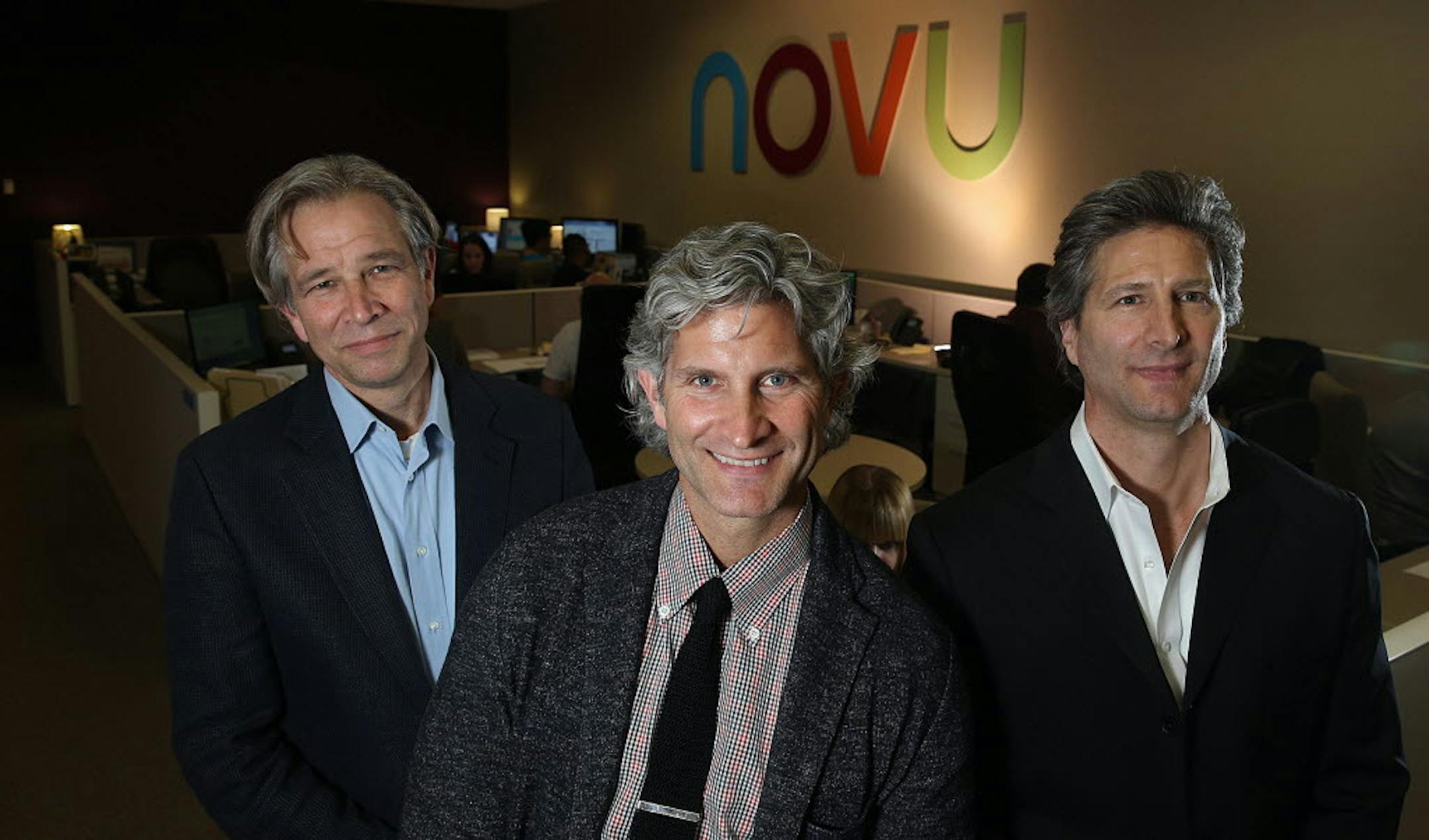
Novu, a fast-growing consumer-engagement company used by health insurers and providers to get patients to take control of their health, has raised $20 million in its first round of equity from outside institutional investors.
The St. Louis Park-based firm, formed in 2011 by three brothers with a background in customer loyalty programs for other industries, helps patients use online-and-offline customized health-improvement measures that are advocated by doctors and insurers. These low-cost health-enhancement steps stress prevention, designed to avert expensive-to-treat diseases.
"We drive the engagement," said Novu CEO Tom Wicka. "We don't take your blood or provide gym access. We take on the branding of our [35] clients—the payers[insurers] and providers.
"The health care system has not been successful in moving past a transactional relationship with the consumer, resulting in low rates of engagement and lack of trust. We try to build trust between you and clients such as Medica, UnitedHealthcare and Delta Dental of Minnesota. Our purpose is to get consumers to take action [through simple health-enhancing measures]."
The two investors are Noro-Moseley Partners, an Atlanta-based venture firm focused on early-stage companies in healthcare IT and services, and Memphis-based SSM Partners, which invests in software, technology and health care firms.
"The Novu team has combined consumer marketing expertise with healthcare expertise to build a platform that is unmatched in the industry," Casey West of SSM, who is joining Novu's board of directors, said in a prepared statement. "Novu's ability to engage with health plan members in a positive way and assist them in closing gaps in care really caught our attention."
Allen Moseley of Noro-Moseley, who is also joining Novu's board, added: "We believe the company's comprehensive solution will continue to drive significant business growth, innovation, and industry leadership."
Novu is the customer-facing provider partner whose software engages patients with personalized programs that inform, encourage and sometimes reward and capture the popularity of online games and social media in integrating wellness programs and behavioral science. It kind of creates modern-day carrots to help people make healthier choices that can be tracked.


