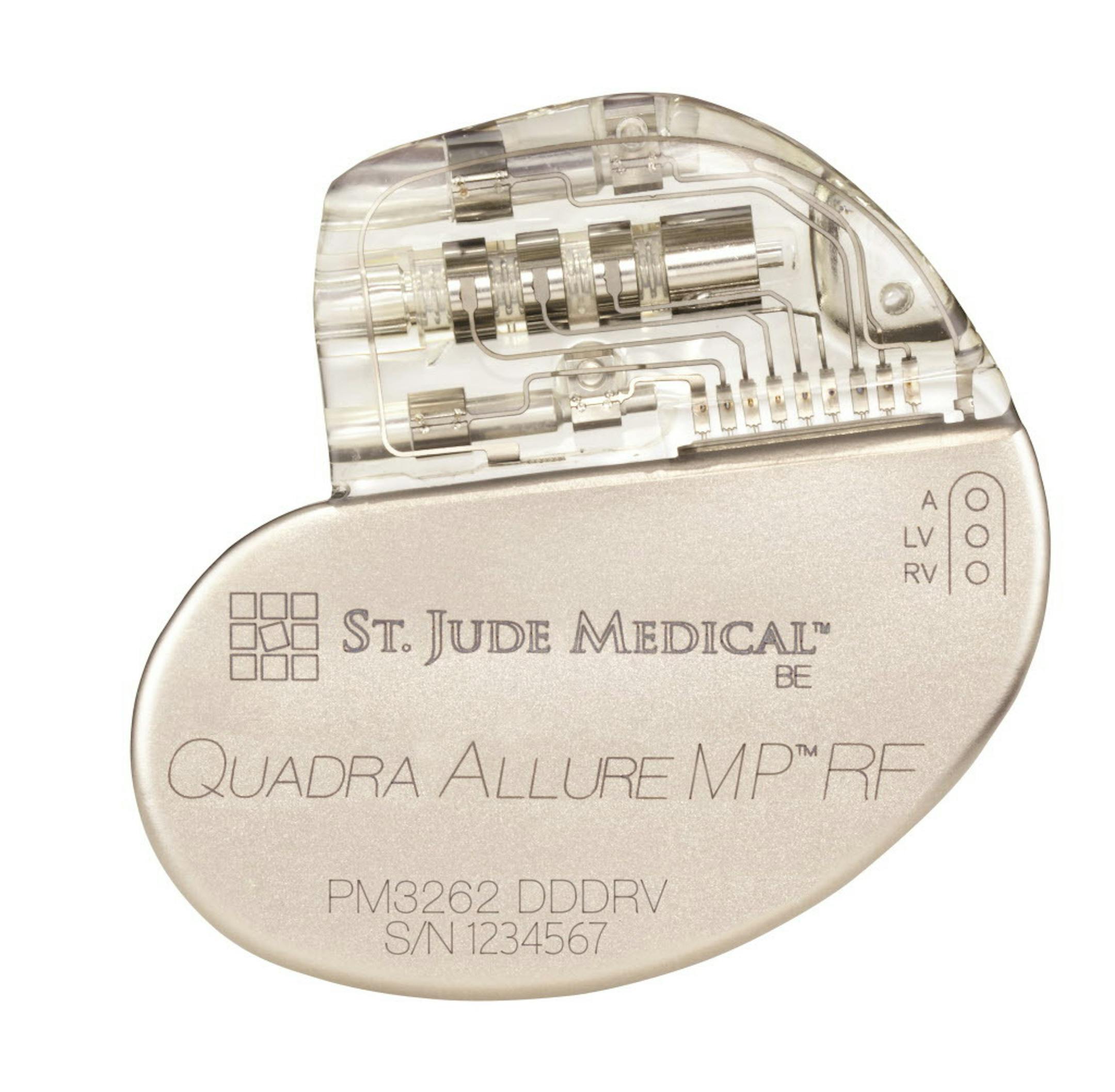
Medical device companies are getting bigger through mergers to offset the growing size of their customers and the shrinking prices for their products.
Larger scale was a driver, analysts say, behind the $49.9 billion merger last year between Medtronic and Covidien, which moved the company's official headquarters from Fridley to Ireland for tax reasons.
Now, it's zapping another coveted Fortune 500 headquarters in the Twin Cities with Abbott Laboratories' acquisition of Little Canada-based St. Jude Medical, valued at more than $30 billion including assumed debt.
Device companies once were on a relatively even playing field with the physician groups that made decisions about buying medical devices, said Thomas Gunderson, a retired financial analyst who now serves as an executive in residence at the Medical Industry Leadership Institute at the University of Minnesota.
Now, large hospital chains are making the purchasing decisions and want to deal with one vendor that can supply as many of their needs as possible.
"The hospitals and the payers got bigger faster than the med-tech companies did. So, that put them at a disadvantage with bids and contracts," he said. "Now, as the med-tech companies catch up, it puts them on a more even playing field."
Whether it's hospitals, pharmaceutical companies, health insurers or medical device manufacturers, most parts of the health care industry are driving toward consolidation, said David Heupel, senior research analyst at Thrivent Financial in Minneapolis.
The rationale among medical technology firms, he said, has to do with the continuing pressure from hospitals for deeper discounts in the prices they pay for medical devices.
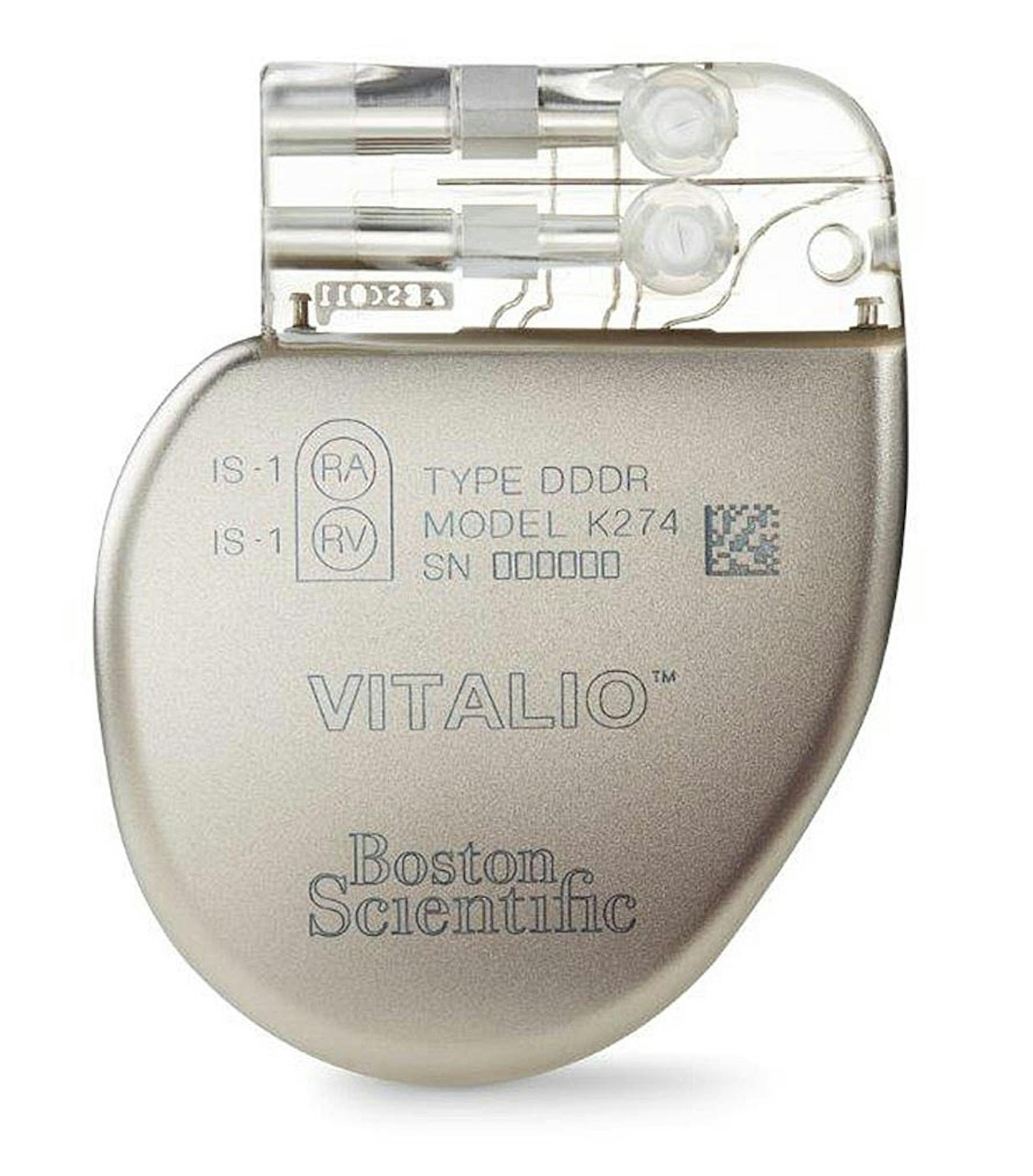
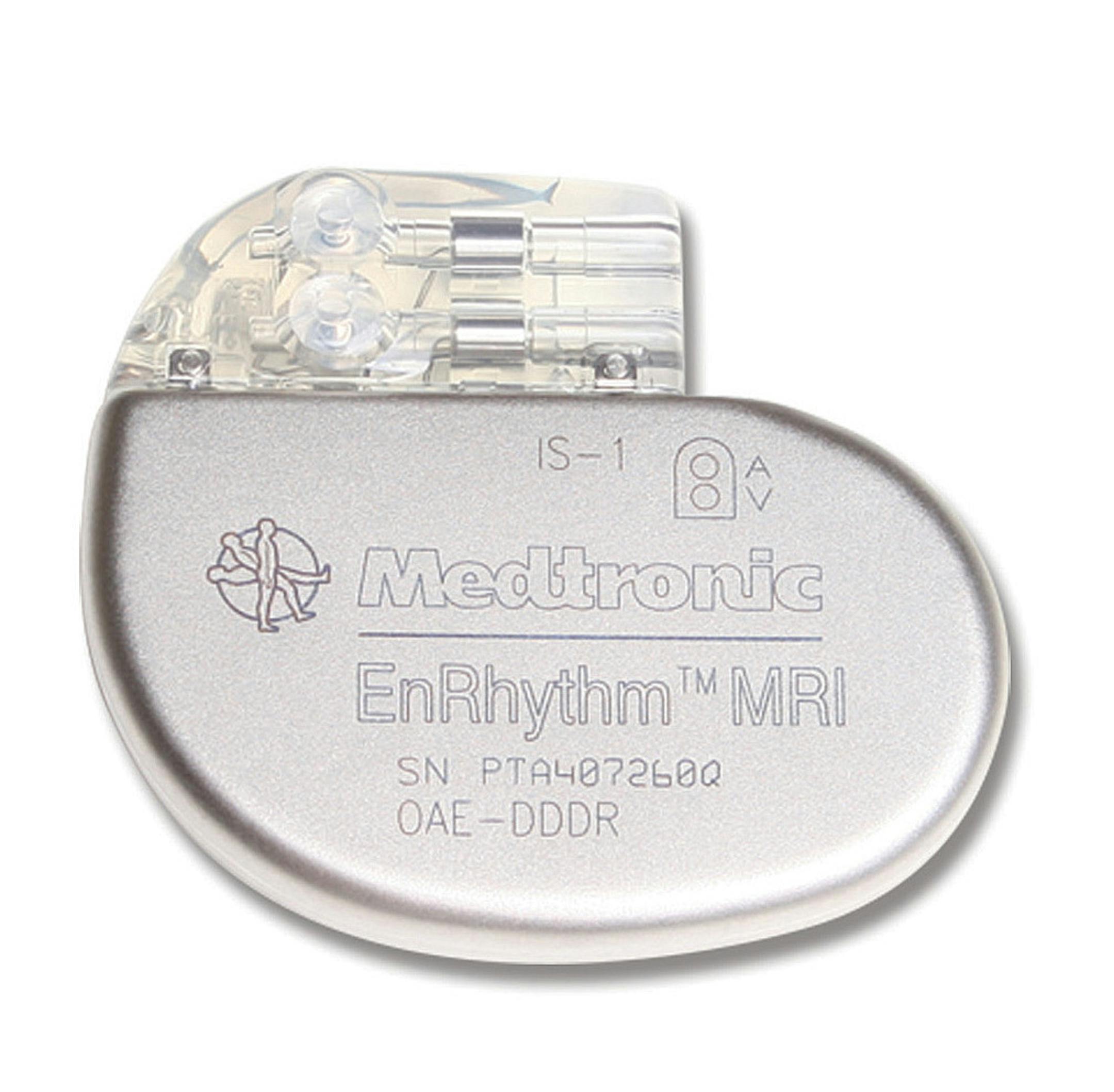



![St. Jude Medical corporate headquarters, Little Canada, Minnesota, just north of St. Paul. ] GLEN STUBBE * gstubbe@startribune.com Wednesday, July 22, 2015](https://arc.stimg.co/startribunemedia/CWE73LIDK3XUH54TSQACQXPU5Q.jpg?&w=1080)