It is the valve you never want to use.
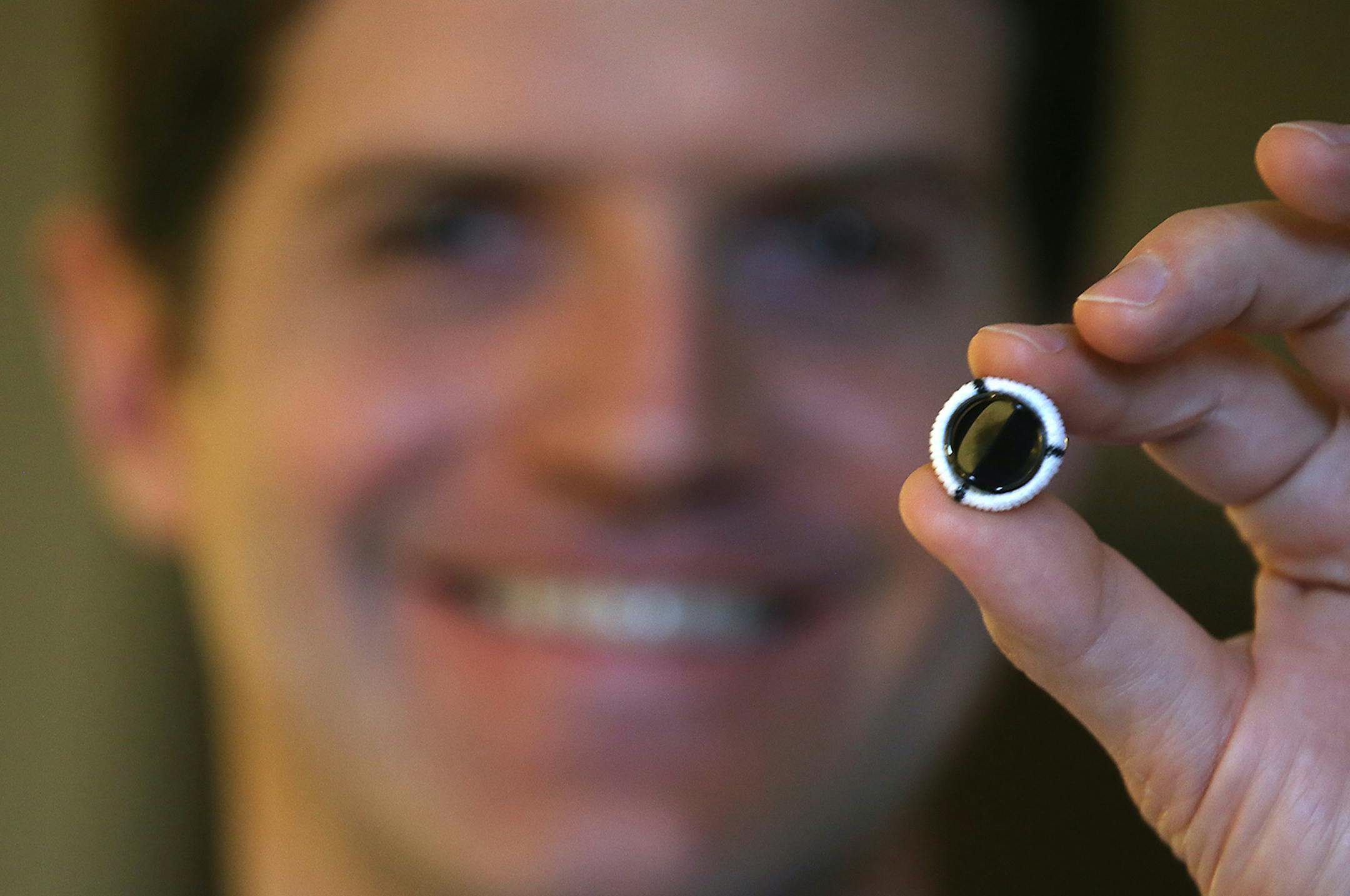
St. Jude Medical's tiniest artificial heart valve is smaller around than a dime, intended to fit snugly inside the damaged hearts of the smallest cardiac patients. Some of them are toddlers, others are just weeks old. All of them are very ill, or will soon become so, from congenital diseases of the heart.
Not many kids need them — at the University of Minnesota Masonic Children's Hospital, perhaps one or two kids a year will need them. Some years, none will. Pediatric heart surgeons would much rather fix a child's heart tissue surgically than install a 15-millimeter metal valve.
Sometimes, however, you can't fix it.
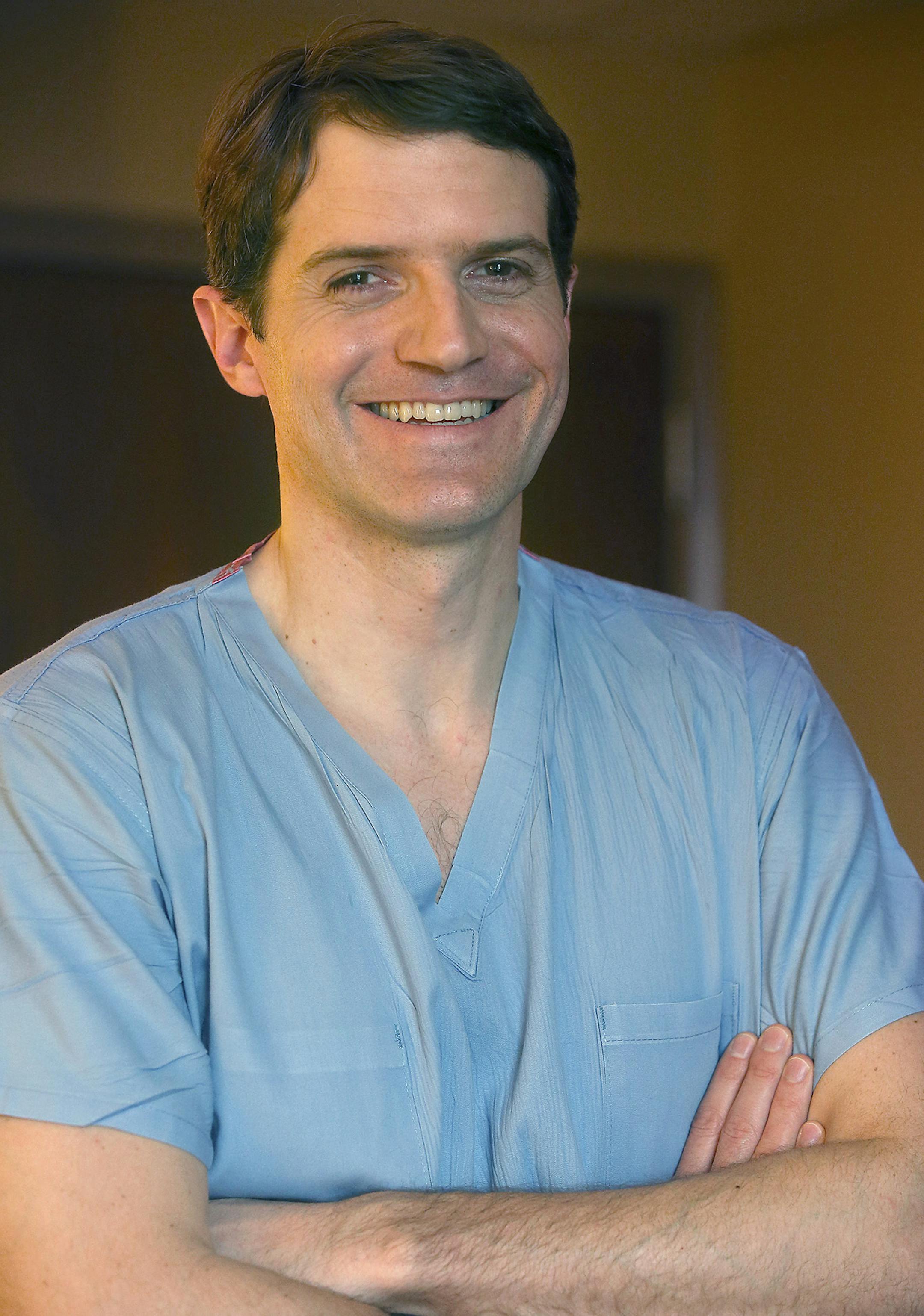
"You don't like to replace valves in kids, because the heart is growing and the valve is just kind of stuck at this one size," said Dr. Robroy MacIver, a pediatric cardiothoracic surgeon at Masonic in Minneapolis. "So if you are placing a valve in an infant, you are probably going to have to replace it twice before they are an adult size."
The world's smallest heart valve is a metal machine with pyrolytic-carbon leaflets that open and close with each beat, using only the force of the beating heart. Mainly intended to replace a mitral valve, it comes with a long-term prescription for blood-thinning medications and the stress of knowing open-heart surgeries are certain.
The Minnesota-manufactured device was originally available from Little Canada-based St. Jude only under a custom-device approval from the Food and Drug Administration, but in 2011 the company got permission to sell it on an emergency basis to patients with no other treatment options. Those approvals still left it difficult to obtain quickly because it had to be ordered well in advance and returned if not used. Now hospitals in an ongoing clinical trial can keep the device in stock.
Back in 2010, the FDA met with medical device companies and doctors to discuss the lack of artificial heart valves for children with full government approval on the market. The agency urged companies to find ways to move the lifesaving devices for the very young into clinical trials.