

The sharp guys who run Minnetonka-based Pine River Capital Management dove early into the depressed mortgage-backed securities market in 2009 through their publicly traded Two Harbors investment trust. In less than four years, the trust delivered a whopping 130 percent total return to investors.
Now, Pine River is rolling the dice on a separate public real estate trust that invests directly in single-family homes in some of the nation's still-ailing housing markets.
Two Harbors started buying houses a couple of years as it was buying nongovernment insured mortgage securities for as low as 52 cents on the dollar. They concluded the underlying properties in Phoenix, Atlanta, Las Vegas, Tampa, Fla., and elsewhere were dirt cheap.
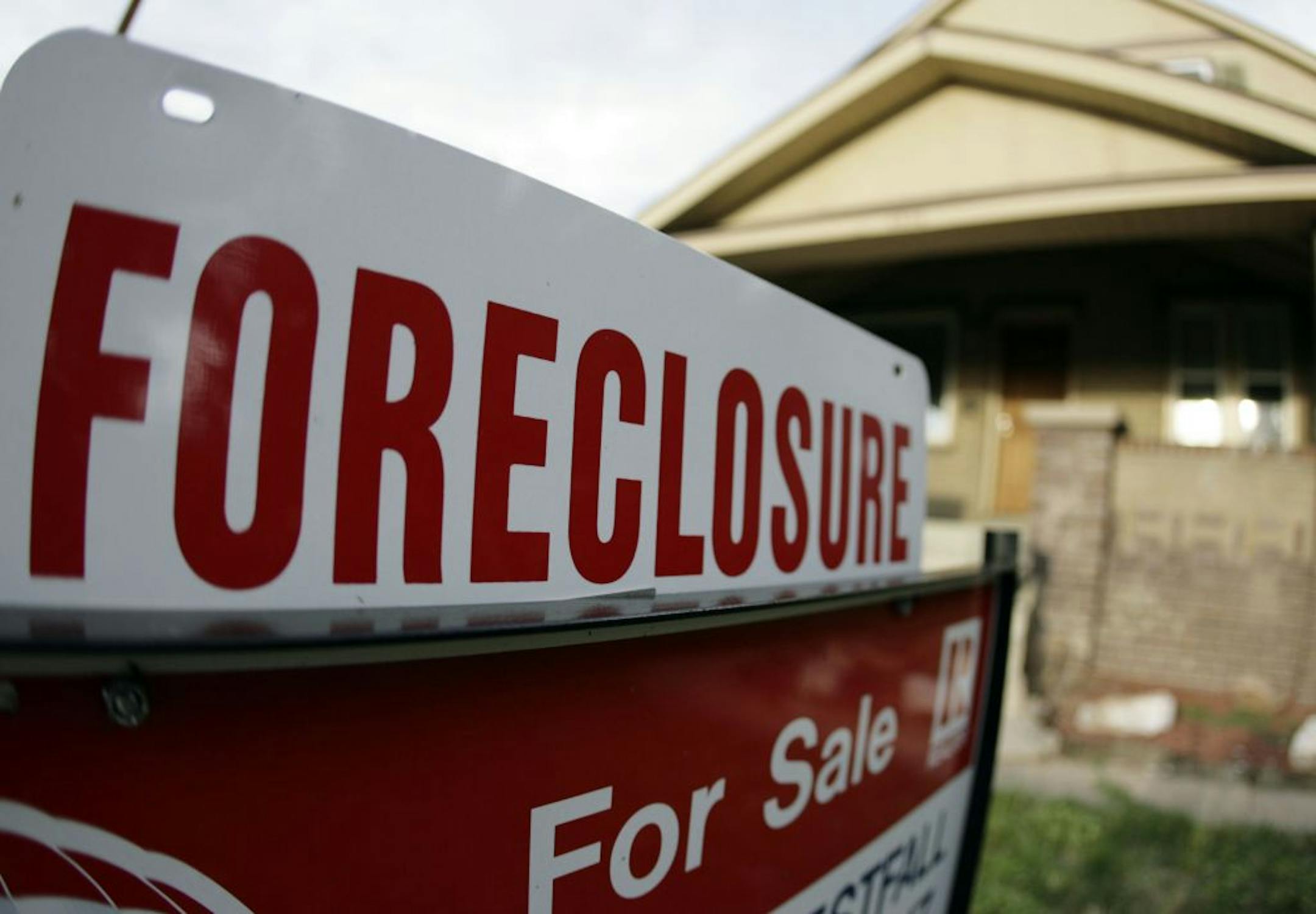
Last December, Pine River launched Silver Bay Realty Trust, joining the growing ranks of institutional investors buying foreclosed and vacant properties as it raised $245 million in an initial public offering.
"We believe in the housing recovery story," said Tom Siering, CEO of Two Harbors and a Pine River partner. "And we believed the market would value [Silver Bay] more as a separate vehicle" rather than having thousands of homes inside the Two Harbors mortgage bond portfolio.
But there is no guarantee that buying, renovating, renting and, ultimately, selling thousands of properties in more than a dozen markets over the next several years is going to be as easy as the big returns Two Harbors made for investors when it plunged into the mortgage securities market.
Investors have always played a role in the housing market. And it's bigger this time after the huge housing collapse. Mortgage banks toughened their underwriting standards in the wake of the anything-goes housing boom. And the National Association of Realtors has estimated that investors, from ma-and-pa outfits to huge investment groups such as Silver Bay are acquiring up to a third of vacant properties
The Blackstone Group and Colony Capital have led efforts to raise as much as $8 billion to buy as many as 80,000 single-family homes to manage as rentals. A recent Wall Street Journal headline said: "Investors pile into housing, now as landlords."


