The oil boom may have gone bust for now above the Bakken reservoir of North Dakota and Montana, but the rush is just starting to harvest more of the natural gas that is the byproduct of oil extraction.
Industry analysts estimate that the 2014-15 halving of oil prices could cut the number of North Dakota operating oil rigs by up to half later this year from the 2013 peak.
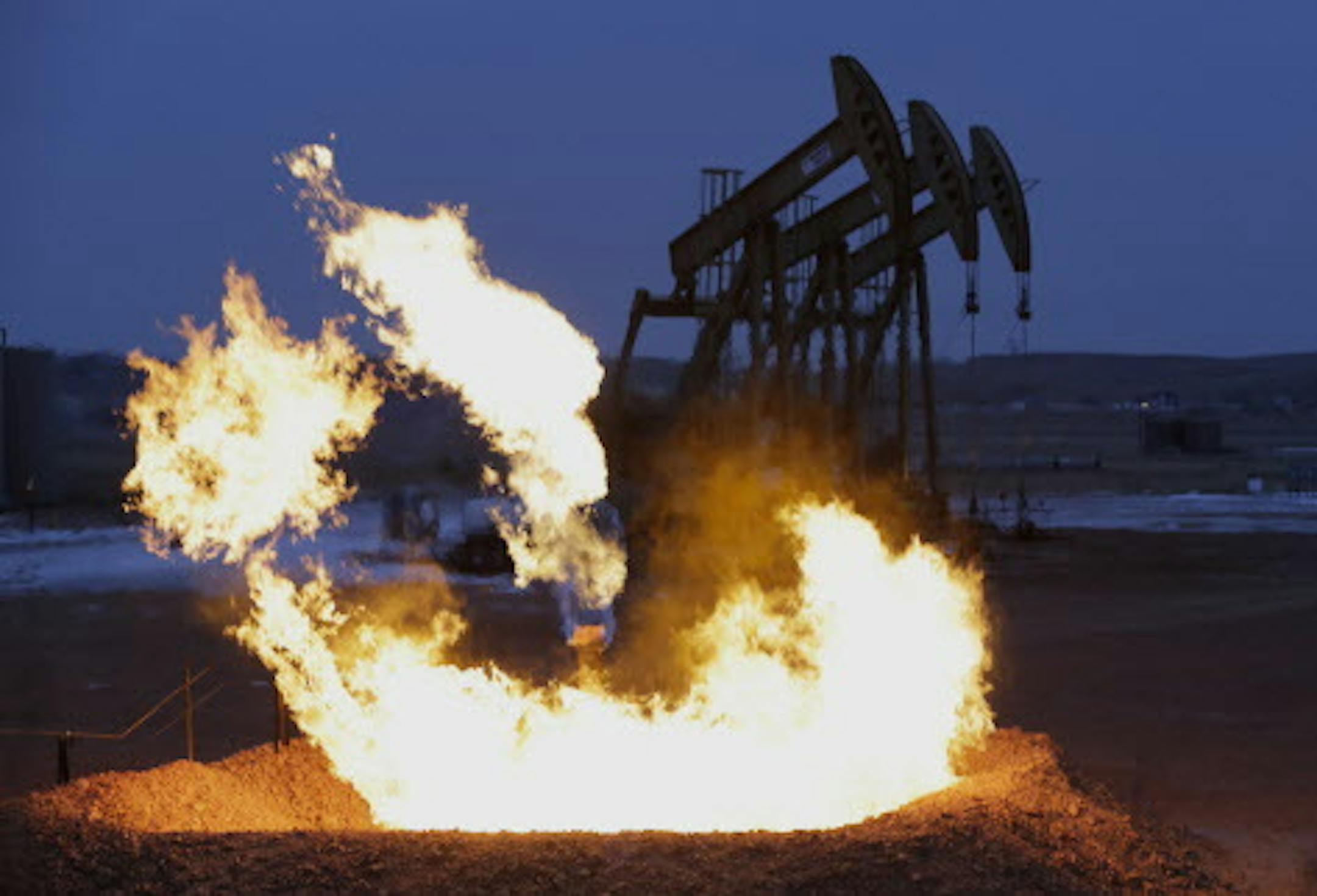
North Dakota officials, under criticism, last year imposed new rules designed to cut natural gas flaring at the well head from about a third to 10 percent by 2020. The burning off of natural gas has been estimated at a $1 million-to-$2 million-a-day waste of money that also pollutes.
"Most other oil fields flare less than 5 percent of the gas," said Jim Simon, president and chief operating officer of St. Paul-based Corval Group, the industrial contractor that will grow its Bakken-related operations again this year, even as oil production ebbs. "North Dakota is not near what's acceptable in the world. And they are going to be drilling for another 25 or 30 years."
Corval Group, once more of a commercial contractor that barely survived the Great Recession, continues to be a good example of how Minnesota companies are profiting from the North Dakota energy bonanza while avoiding the boom's messy downside, including a huge drop in North Dakota energy taxes.
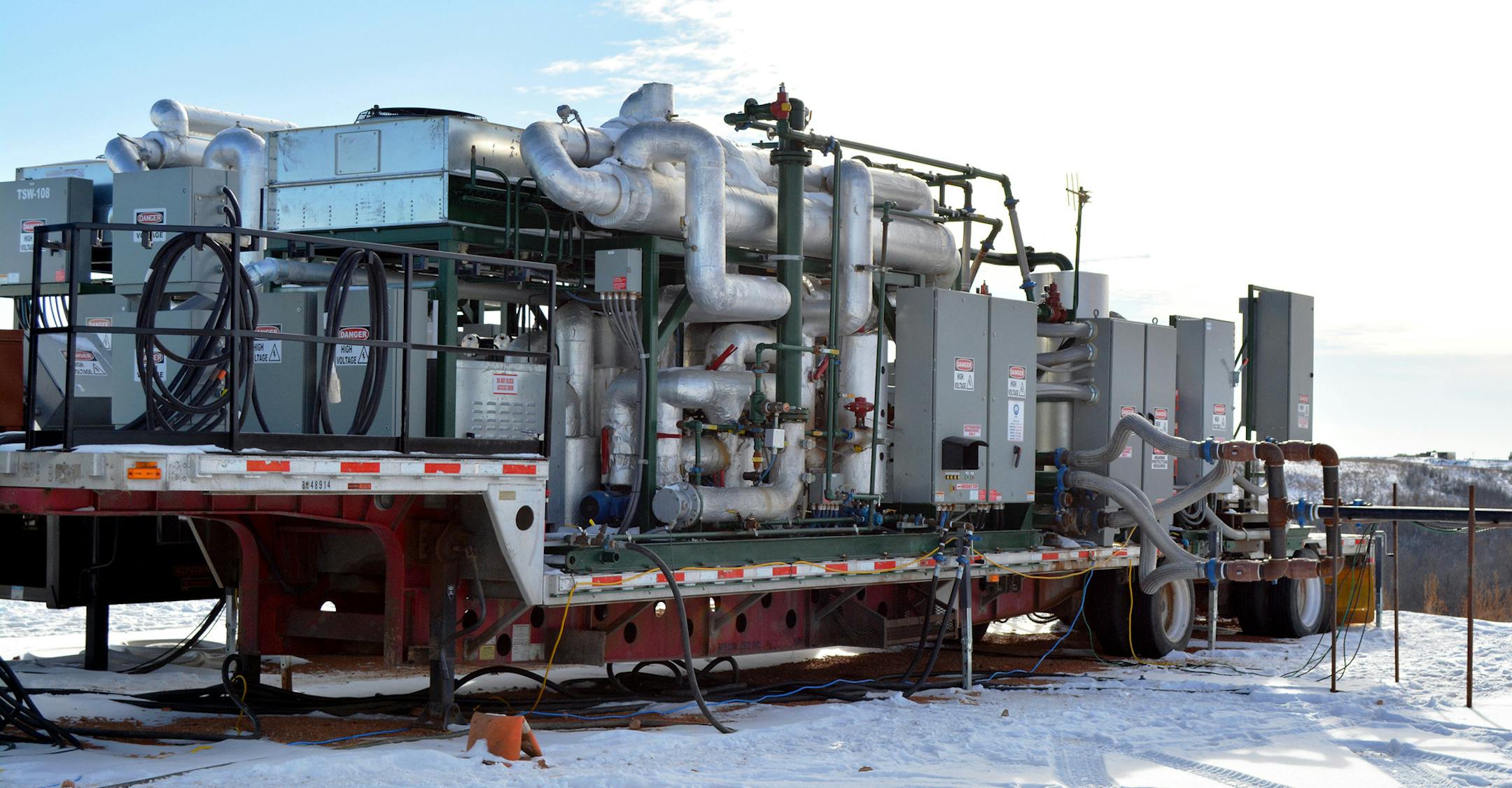
Corval has been working since 2010 on natural-gas-capture infrastructure that has lagged the drilling boom. And it's doubling down during the oil downturn.
If North Dakota drilling was stopped today it would still take 12 to 18 months to capture and process existing flare gas, said Dave Reif, a Corval vice president.
Oil, a notoriously volatile economic commodity, drives drilling booms and busts.