Lim Jae-sung is a mild-mannered lawyer in his 30s with a fondness for monogrammed shirts and human-rights cases. Owing to South Korea's strict military-service laws, he is also a convicted criminal with a prison record.
Lim refused to serve in the army after becoming involved with the antiwar movement sparked by the dispatch of South Korean troops to Iraq in 2003.
When a court sentenced him to a year and a half in jail, his parents kept it secret from their friends to avoid bringing shame on the family. He told his grandparents that he was going to spend some time in China. "It would have been too difficult to explain," he says.
To future generations of South Korean men, Lim's story may come to sound like a quaint tale from the ancient past. In November, the country's Supreme Court ruled that it was not a crime to refuse military service for reasons of religion or conscience, voiding its own near-unanimous ruling from 2003, which had found just the opposite.
Prosecuting people for conscientious objection and sending them to prison, the judges said this time, violated basic rights and went against the spirit of "liberal democracy, tolerance and magnanimity." Courts across the country, which had already become increasingly reluctant to convict conscientious objectors, have since thrown out pending cases en masse.
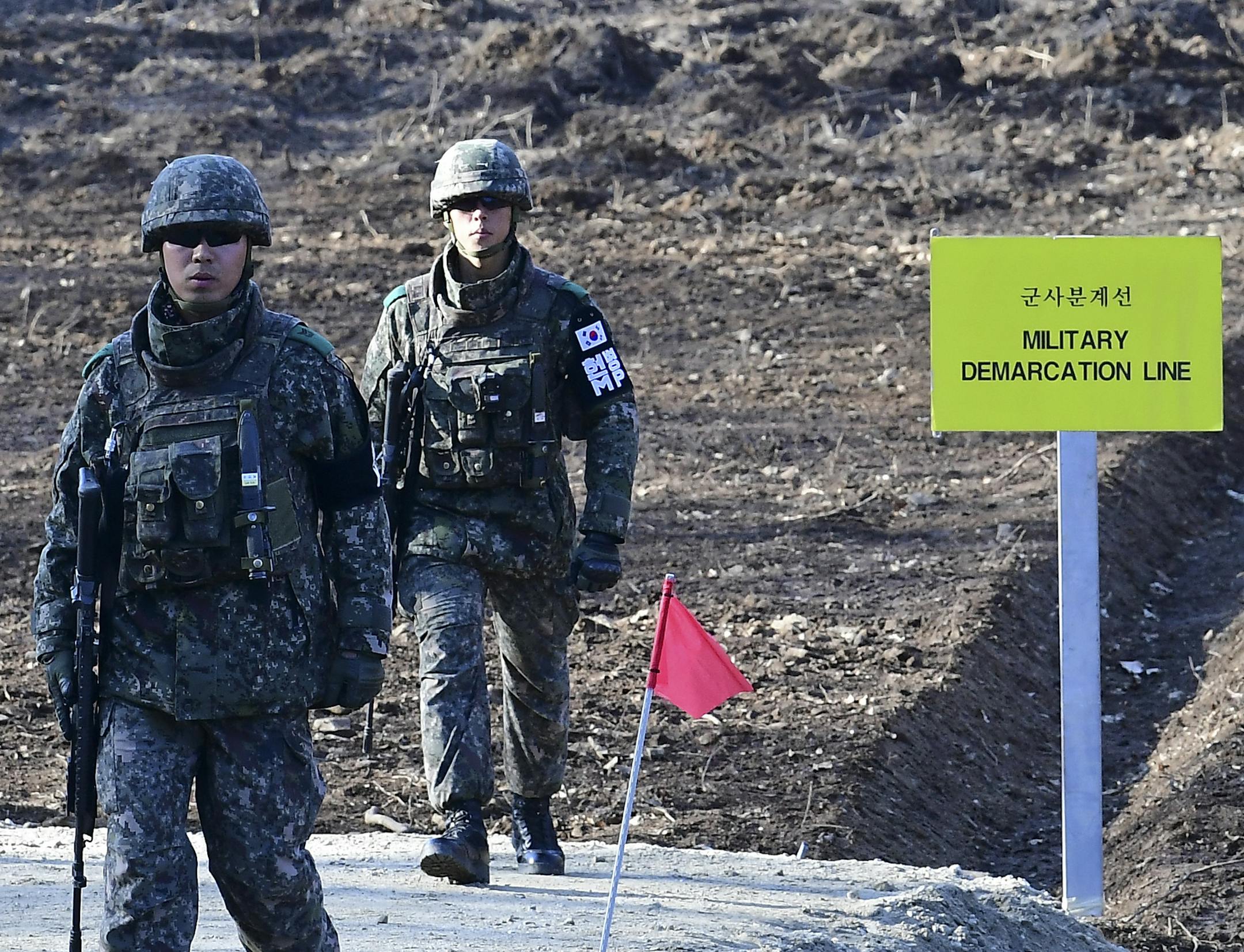
The Supreme Court ruling overturned the conviction of a conscientious objector who was a Jehovah's Witness — a member of a pacifist religious group. But many South Koreans question military service. All men (women are exempt) are required to enlist. They must serve between 21 and 24 months before they turn 29, although the current government has moved to shorten the duration of service.
Conscripts are forced to live in barracks far from home, with unpredictable leave and little contact with the outside world. Earlier this year the use of mobile phones was legalized — but only after 6 p.m. Hazing and other abuses are rife.
"I worried that the violent atmosphere would turn me into a violent person, someone who is happy to beat other people," said Lee Yong-suk, a conscientious objector who now runs a pacifist NGO. Before the verdict, the United Nations Human Rights Council had repeatedly called on South Korea to offer a "reasonable" alternative to military service.