

WIMBLEDON, ENGLAND - The British love the English language so much they decorate it like a Christmas tree.
Why use one adjective when you can call something "absolutely fabulous," or "quite fantastic"? Why settle on a simple name for a pub when you can serve pints at "The Walrus and the Carpenter"?
Dotting the Isles are town names such as Stratford-upon-Avon and now, thanks to the Olympics, there is Wimbledon-yet-not-Wimbledon.
A long bus ride takes you from the prefab arenas of the industrialized Olympic Park to the All England Club in pastoral Wimbledon, where the Olympic tennis tournaments are being held. The most prestigious tennis club in the world is where dull green paint goes to die, but for the Olympics, the staid club has dressed up as if for Mardi Gras.
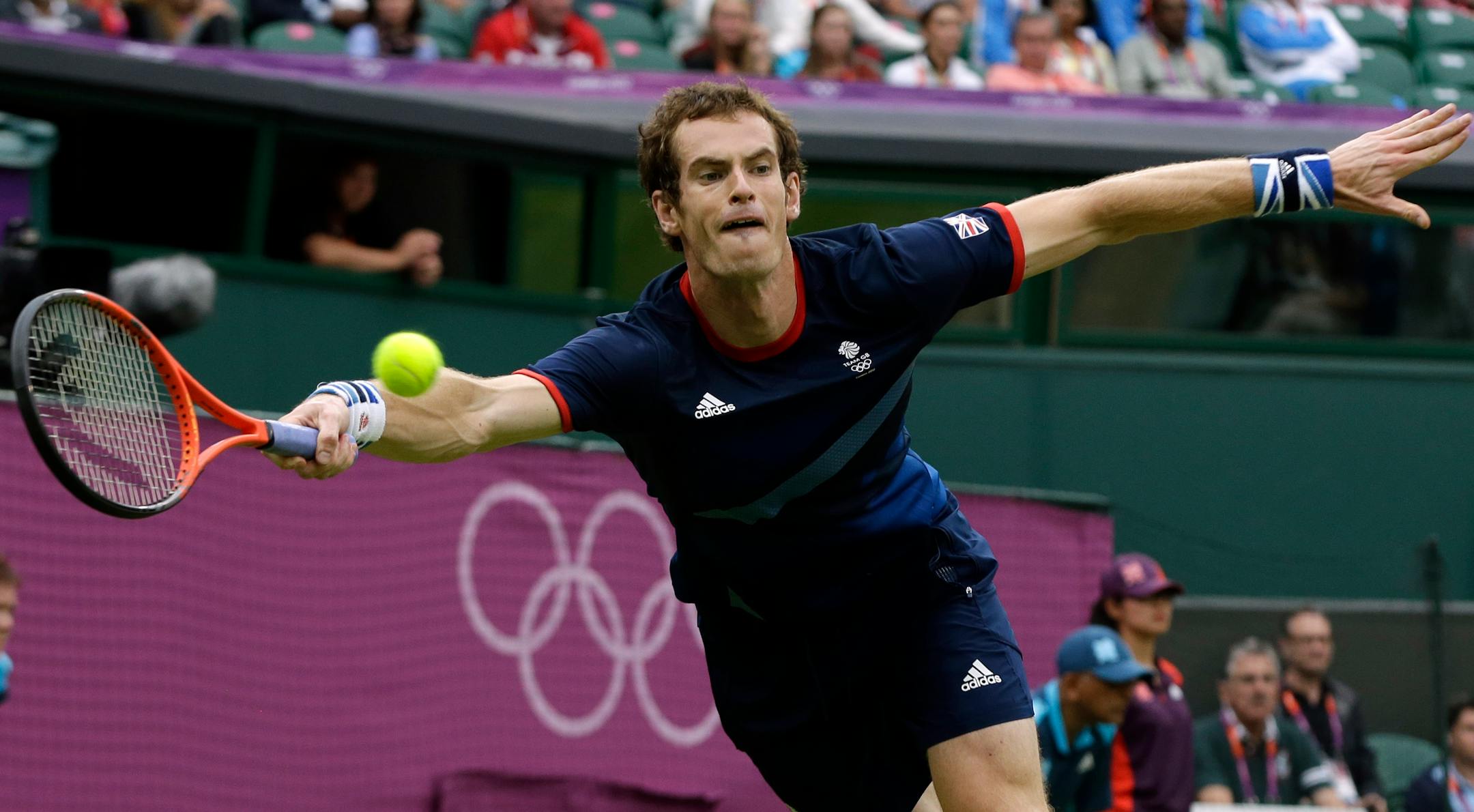
While much of the grounds radiate green, the players are not required, as during the Grand Slam event, to wear white. Centre Court is decorated with purple Olympic signage, and the interlocking rings are woven into each end of the net.
Wimbledon is the tennis version of Augusta National or Fenway Park, a place of myriad greens and quaint beauty. The world's best tennis players, far from treating this like a lesser tournament, are embracing the grandeur of the setting, and of their quest.
"It was amazing to be here on Centre Court, where the legends lie, where it all started, where the Queen comes," said Canada's Aleksandra Wozniak, who lost her second-round match to Venus Williams on Tuesday. "I think at Wimbledon you feel that way more than any other Grand Slam. The tradition gets to you. I was really happy to be a part of this, representing my country at the Olympics."
For all of her accomplishments, Venus Williams exuded a childlike sense of wonder at the Olympic experience. After the final point, she traded Olympic collectible pins with fans. She had braided her country's colors into her hair, and her prized pins adorned her lanyard.


