

"Zero Dark Thirty," a nominee for Sunday's Oscar as Best Picture, reignited debate about whether the waterboarding of terrorism suspects was torture. This practice, which ended in 2003, was used on only three suspects.
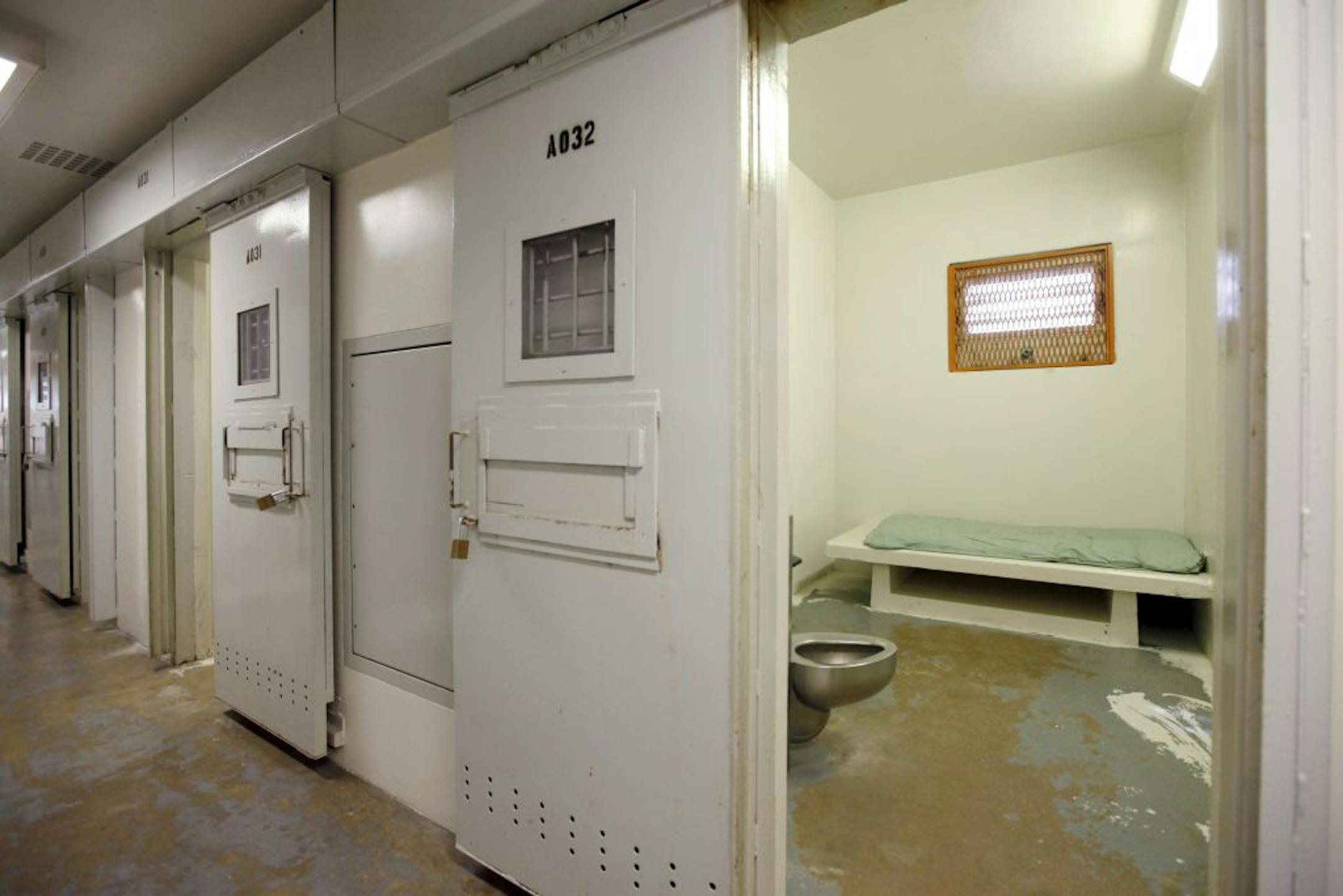
Meanwhile, tens of thousands of American prison inmates are kept in protracted solitary confinement that arguably constitutes torture and probably violates the Eighth Amendment prohibition of "cruel and unusual punishments."
Noting that half of all prison suicides are committed by prisoners held in isolation, Sen. Richard Durbin, D-Ill., has prompted an independent assessment of solitary confinement in federal prisons. State prisons are equally vulnerable to Eighth Amendment challenges concerning whether inmates are subjected to "substantial risk of serious harm."
America, with 5 percent of the world's population, has 25 percent of its prisoners. Mass incarceration, which means a perpetual crisis of prisoners re-entering society, has generated understanding of solitary confinement's consequences when used as a long-term condition for an estimated 25,000 inmates in federal and state supermax prisons — and perhaps 80,000 others in isolation sections within regular prisons.
Clearly, solitary confinement involves much more than the isolation of incorrigibly violent individuals for the protection of other inmates or prison personnel.
Federal law on torture prohibits conduct "specifically intended to inflict severe physical or mental pain or suffering." And "severe" physical pain is not limited to "excruciating or agonizing" pain, or pain "equivalent in intensity to the pain accompanying serious physical injury, such as organ failure, impairment of bodily functions, or even death."
The severe mental suffering from prolonged solitary confinement puts the confined at risk of brain impairment.
Supermax prisons isolate inmates from social contact. Often prisoners are in their cells, sometimes smaller than 8 feet by 12 feet, 23 hours a day, released only for a shower or exercise in a small fenced-in outdoor space. Isolation changes the way the brain works, often making individuals more impulsive, less able to control themselves. The mental pain of solitary confinement is crippling: Brain studies reveal durable impairments and abnormalities in individuals denied social interaction. Plainly put, prisoners often lose their minds.


