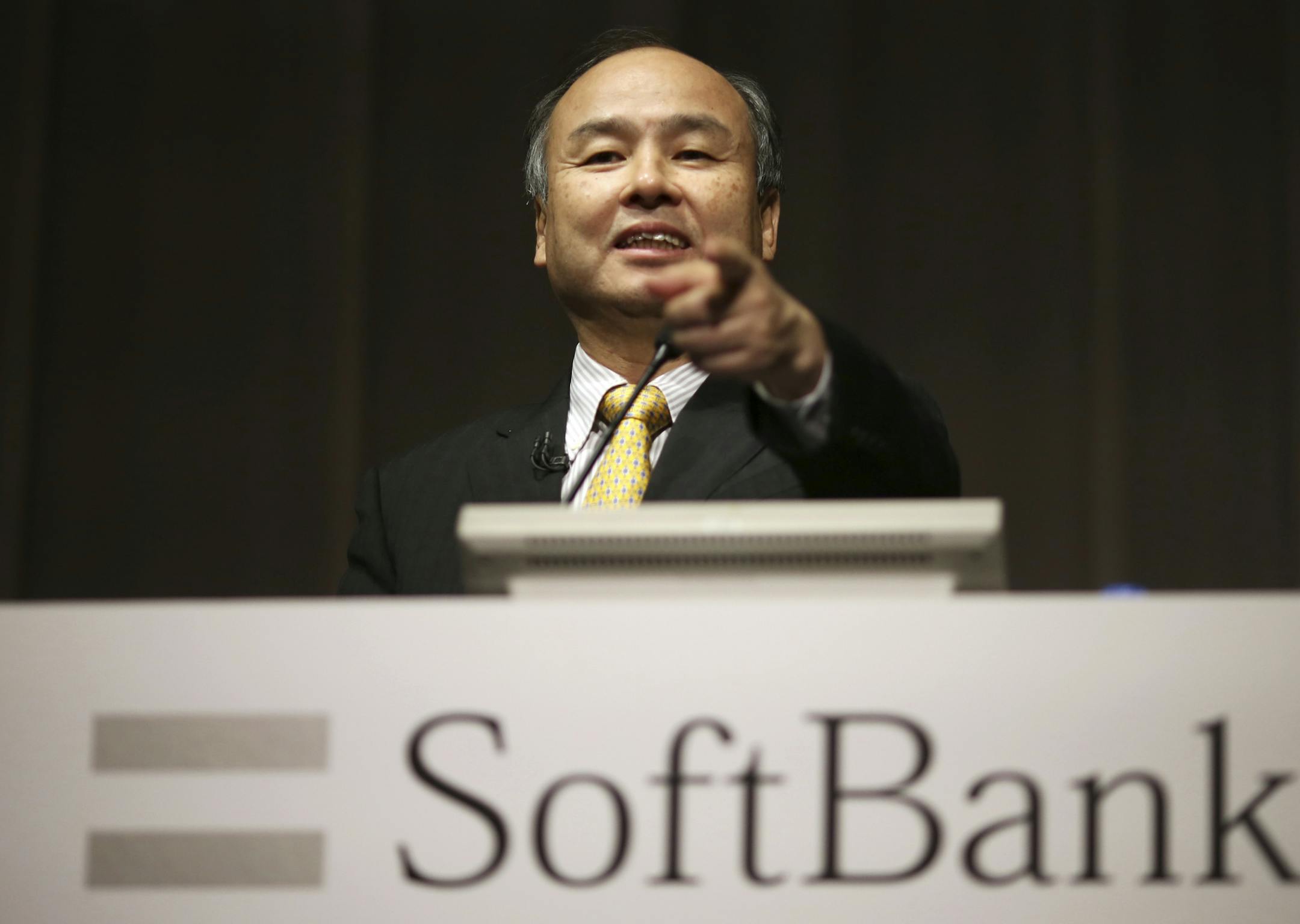
Masayoshi Son, who built a $15.2 billion fortune investing in tech startups like Alibaba Group, is betting on himself more than ever, even as his empire shows signs of vulnerability.
The SoftBank Group founder has pledged 38% of his stake in the Japanese firm as collateral for personal loans from 19 banks, including Credit Suisse Group and Julius Baer Group, according to a June regulatory filing. That's up from 36% at the start of the year and triple the level in June 2013.
"It lets him monetize a large share of his wealth without forgoing influence over the firm," said Michael Puleo, assistant professor of finance at Fairfield University's Dolan School of Business in Connecticut. "But there's an elevation of crash risk. If the share price falls low enough, he could get a margin call and that could be pretty costly."
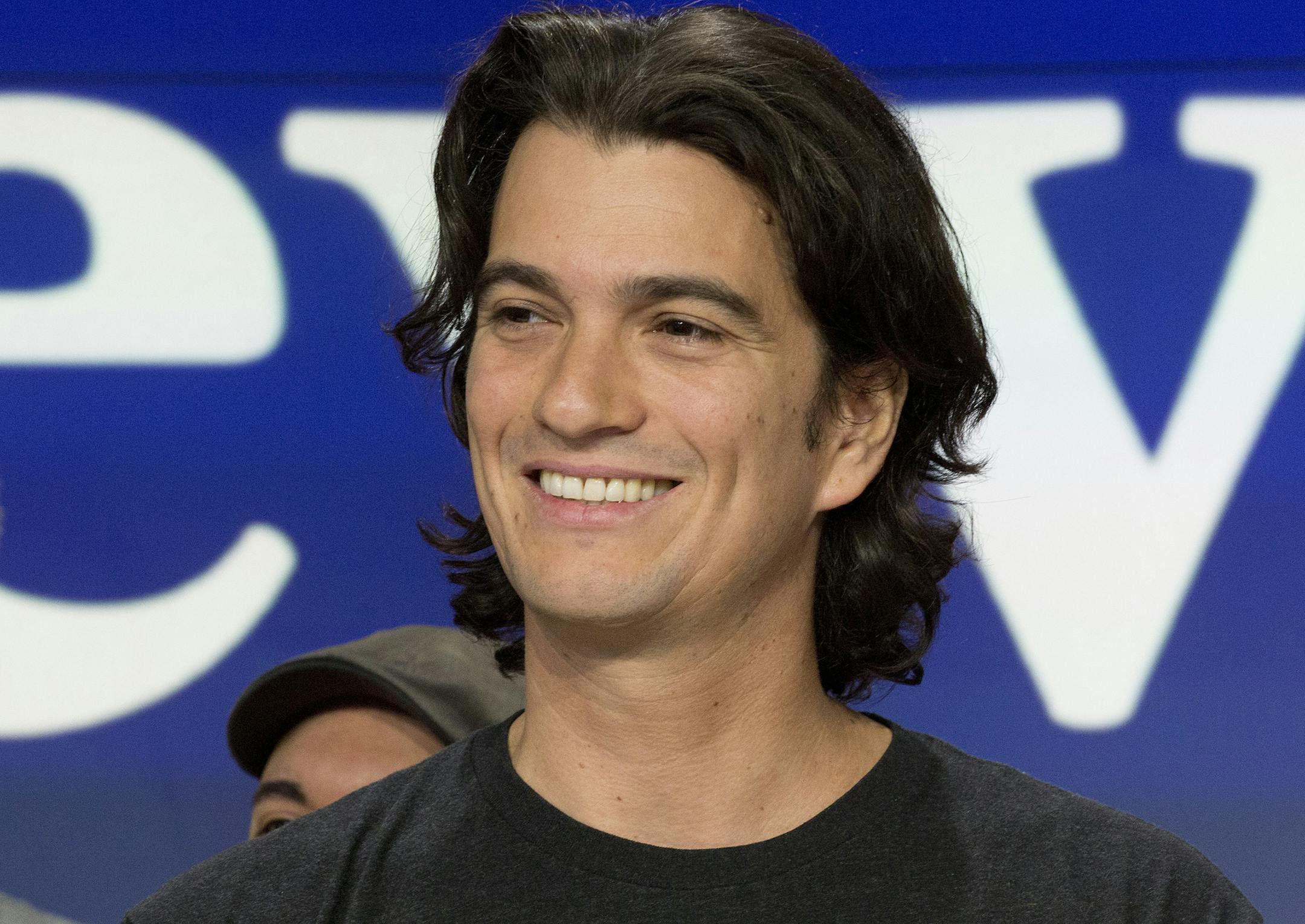
The structure highlights the extent of Son's exposure to SoftBank and its $100 billion Vision Fund. Shares in the Japanese conglomerate have been rocked recently by the postponement of WeWork's initial public offering. The delay came after the office-rental firm was being marketed at a steep discount to the $47 billion figure that the Tokyo-based conglomerate invested at earlier this year. That has spooked investors, who have sent SoftBank's shares down as the listing unraveled, knocking about $700 million off Son's net worth. The stock has still advanced 26% this year.
Son, 62, also has leveraged his stake in the Vision Fund, which invests in tech startups. That boosts his returns if things go well, with outsized losses if they don't. Uber's falling market capitalization and WeWork's travails are set to dent the 62% return on the fund that SoftBank reported through March.
"There is a danger in companies where the founder calls all the shots regardless of whether there are loans," said Robert Pozen, a senior lecturer with the MIT Sloan School of Management in Boston. "And when founders borrow a lot against their shares, they might be more tempted to make riskier decisions," he said, adding that borrowing against 5% of one's stake is usually considered prudent.
SoftBank's compensation plan also involves a lot of debt. Son loaned himself around $3 billion to invest in the first Vision Fund, according to people with knowledge of the matter, who asked not to be identified because the information isn't public. Using loans for a private investment compounds Son's risk because he would be less able to bail himself out if things go south, Pozen said.
The loan was swapped for equity in the fund and will generate profits when deals make money — and losses when they don't. Vision Fund employees, including high-profile bankers and investors, receive base salaries and bonuses, but only get payouts when profits are booked.