

Time was when nobody knew, or even cared, exactly what time it was. The movement of the sun, phases of the moon and changing seasons were sufficient indicators. But since the Industrial Revolution, we've become increasingly dependent on knowing the time, and with increasing accuracy. Not only does the time tell us when to sleep, wake, eat, work and play; it tells automated systems when to execute financial transactions, bounce data between cellular towers and throttle power on the electrical grid.
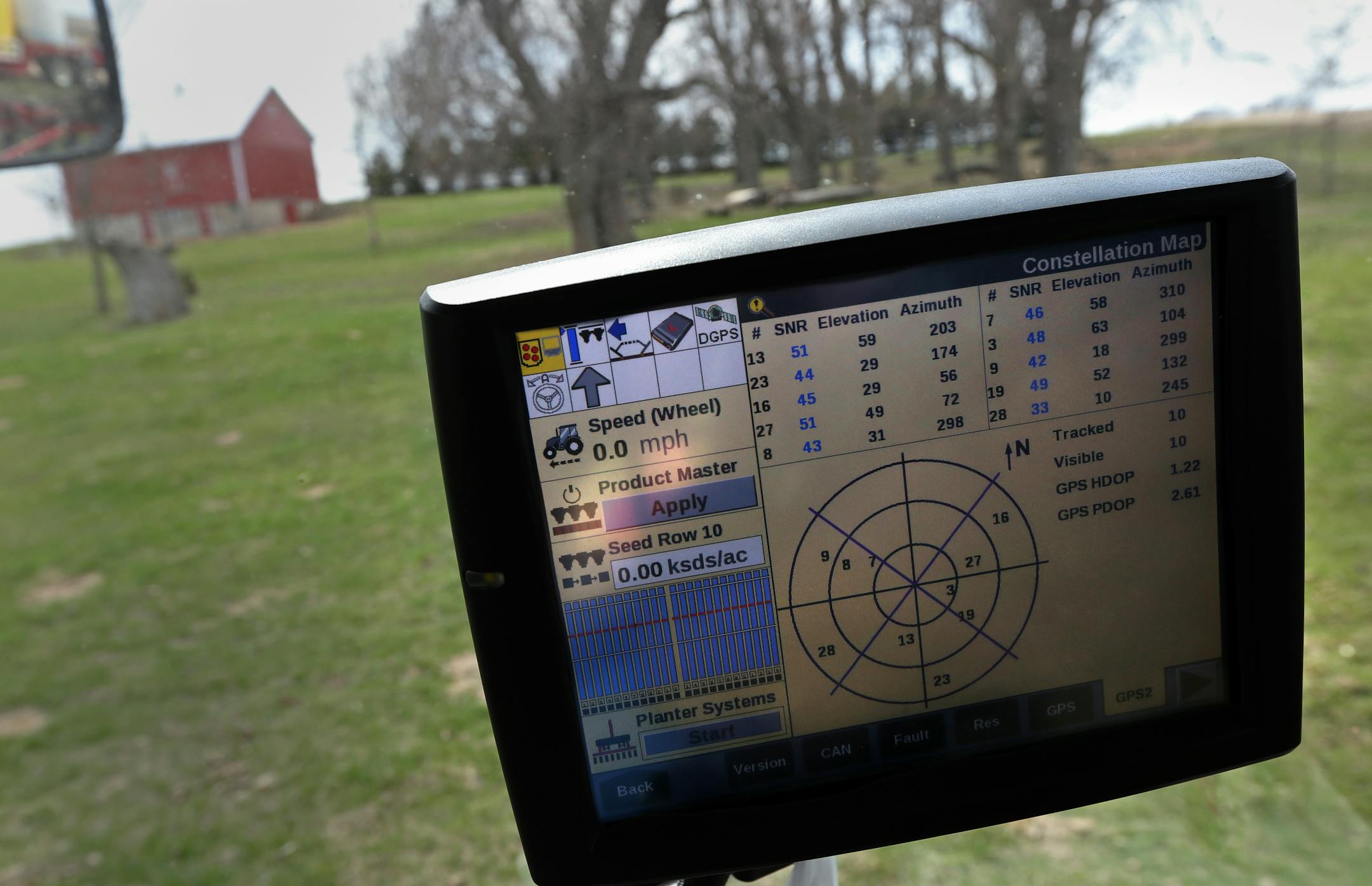
Coordinated Universal Time, or UTC, the global reference for timekeeping, is beamed down to us from extremely precise atomic clocks aboard Global Positioning System (GPS) satellites. The time it takes for GPS signals to reach receivers is also used to calculate location for air, land and sea navigation.
Owned and operated by the U.S. government, GPS is likely the least-recognized, and underappreciated, part of our critical infrastructure. Indeed, most of our critical infrastructure would cease to function without it.
The problem is that GPS signals are incredibly weak because of the distance they have to travel from space, making them subject to interference and vulnerable to jamming and what is known as spoofing, in which another signal is passed off as the original. And the satellites themselves could easily be taken out by hurtling space junk or the sun coughing up a fireball. As intentional and unintentional GPS disruptions are on the rise, experts warn that our overreliance on the technology is courting disaster, but they are divided on what to do about it.
"If we don't get good backups online, then GPS is just a soft rib of ours, and we could be punched here very quickly," said Todd Humphreys, an associate professor of aerospace engineering at the University of Texas in Austin. If GPS was knocked out, he said, you'd notice. Think widespread power outages, financial markets seizing up and the transportation system grinding to a halt. Grocers would be unable to stock their shelves, and Amazon would go dark. Emergency responders wouldn't be able to find you, and forget about using your cellphone.
Humphreys got the attention of the U.S. Department of Defense and the Federal Aviation Administration about this issue back in 2008 when he published a paper showing he could spoof GPS signals. At the time, he said he thought the threat came mainly from hackers with something to prove: "I didn't even imagine that the level of interference that we've been seeing recently would be attributable to state actors."
More than 10,000 incidents of GPS interference have been linked to China and Russia in the past five years. Ship captains have reported GPS errors showing them about 30 miles inland when they were actually sailing off the coast of Russia in the Black Sea. Also well documented are ships suddenly disappearing from navigation screens while maneuvering in the Port of Shanghai. After GPS disruptions at Tel Aviv's Ben Gurion Airport in 2019, Israeli officials pointed to likely culprits in Syria, where Russia has been involved in the nation's long-running civil war. And last summer, the U.S. Space Command accused Russia of testing antisatellite weaponry.
But it's not just nation-states messing with GPS. Spoofing and jamming devices have gotten so inexpensive and easy to use that delivery drivers use them so their dispatchers won't know they're taking long lunch breaks or having trysts at Motel 6. Teenagers use them to foil their parents' tracking apps and to cheat at Pokémon Go. More nefariously, drug cartels and human traffickers have spoofed border control drones. Dodgy freight forwarders may use GPS jammers or spoofers to cloak or change the timestamps on arriving cargo.


