

The specter of Syrian President Bashar Assad using chemical weapons against his own citizens is a sign of the despot's desperation.
Another came on Nov. 29, when for two days the Internet in Syria was shut down, as Assad attempts to shut down insurgents in his country's vicious civil war.
Syria is not the first Arab Spring nation to lose the Web. Egypt's deposed dictator Hosni Mubarak shut it off during the Tahrir Square protests.
"But that backfired from their perspective because people just wanted to go outside and talk to their neighbors to see what was going on," said Andy Carvin, senior strategist at NPR's social media desk, who has closely tracked the role of social media during the Arab Spring uprisings.
Carvin was speaking on a panel titled "How Authoritarian Rulers Use Social Media to Repress Revolutions, Collect Intelligence." The presentation was part of a November conference in Istanbul on international security and terrorism organized by the Thomson Reuters Foundation, the Stanley Foundation and the Istanbul Policy Center. The panelists explained how, during some earlier uprisings, protesters were far more digitally deft than their analog rulers.
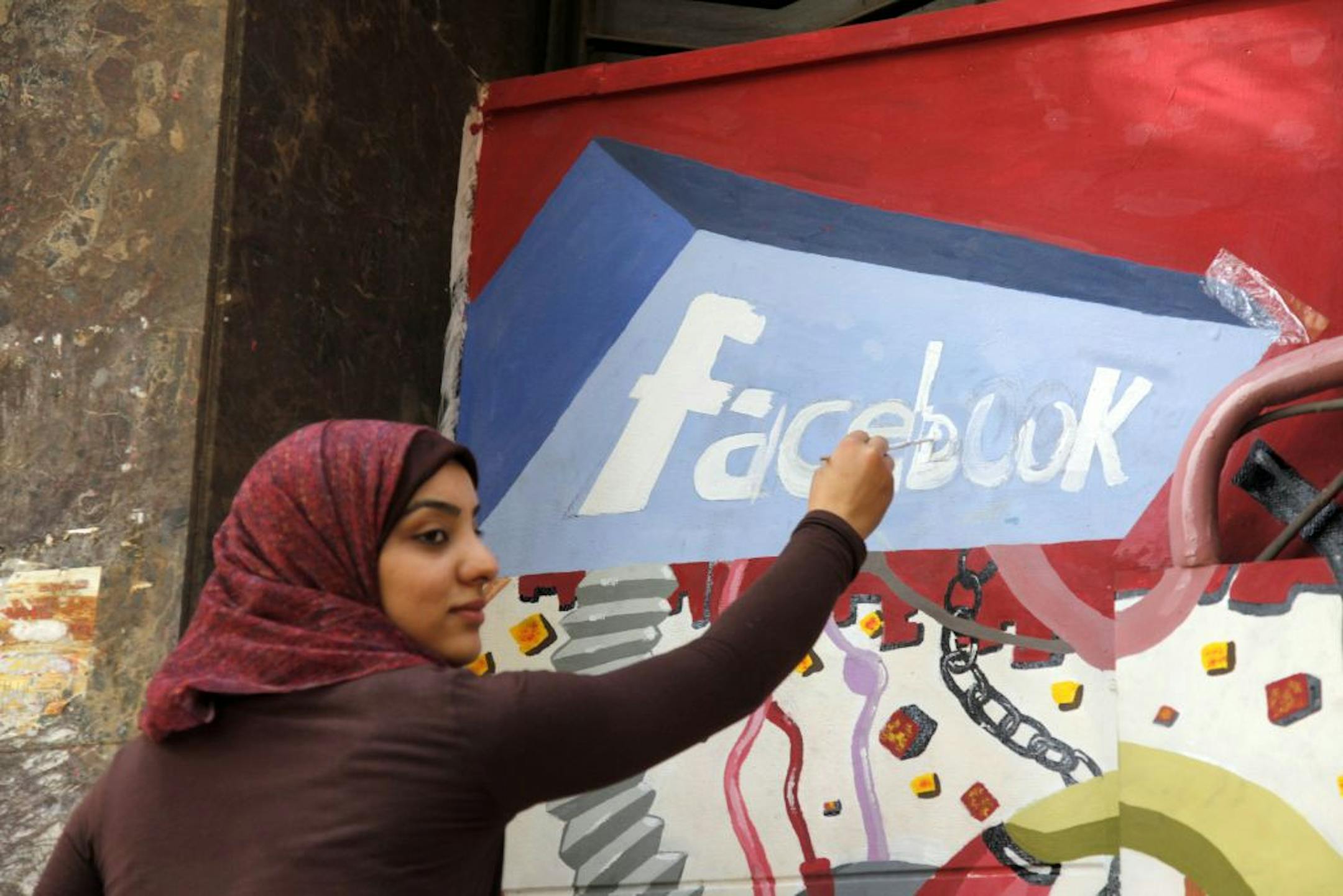
"Facebook to organize, Twitter to coordinate, and YouTube to bring your message to the world" is how Neil Fisher, vice president of global security solutions at Unisys, described social media's revolutionary uses. Social media can also be "the perfect media for grooming radicalization, hearts and minds, or any other kind of propaganda," said Tony Dyhouse, cyber security director at British-based ICT Knowledge Transfer Network.
Some of the propaganda was turned against protesters, particularly in Bahrain, explained Carvin. "Bahrain is one of the most wired countries in the Arab world. It decided to use the attributes of social media against the opposition by bringing in several American PR companies. They were able to create numerous fake Facebook and Twitter accounts and overwhelm many conversations with pro-government propaganda."
Carvin also said the Bahraini government created opposition "most wanted" pages, which implicitly implored supporters to take matters into their own hands.


