

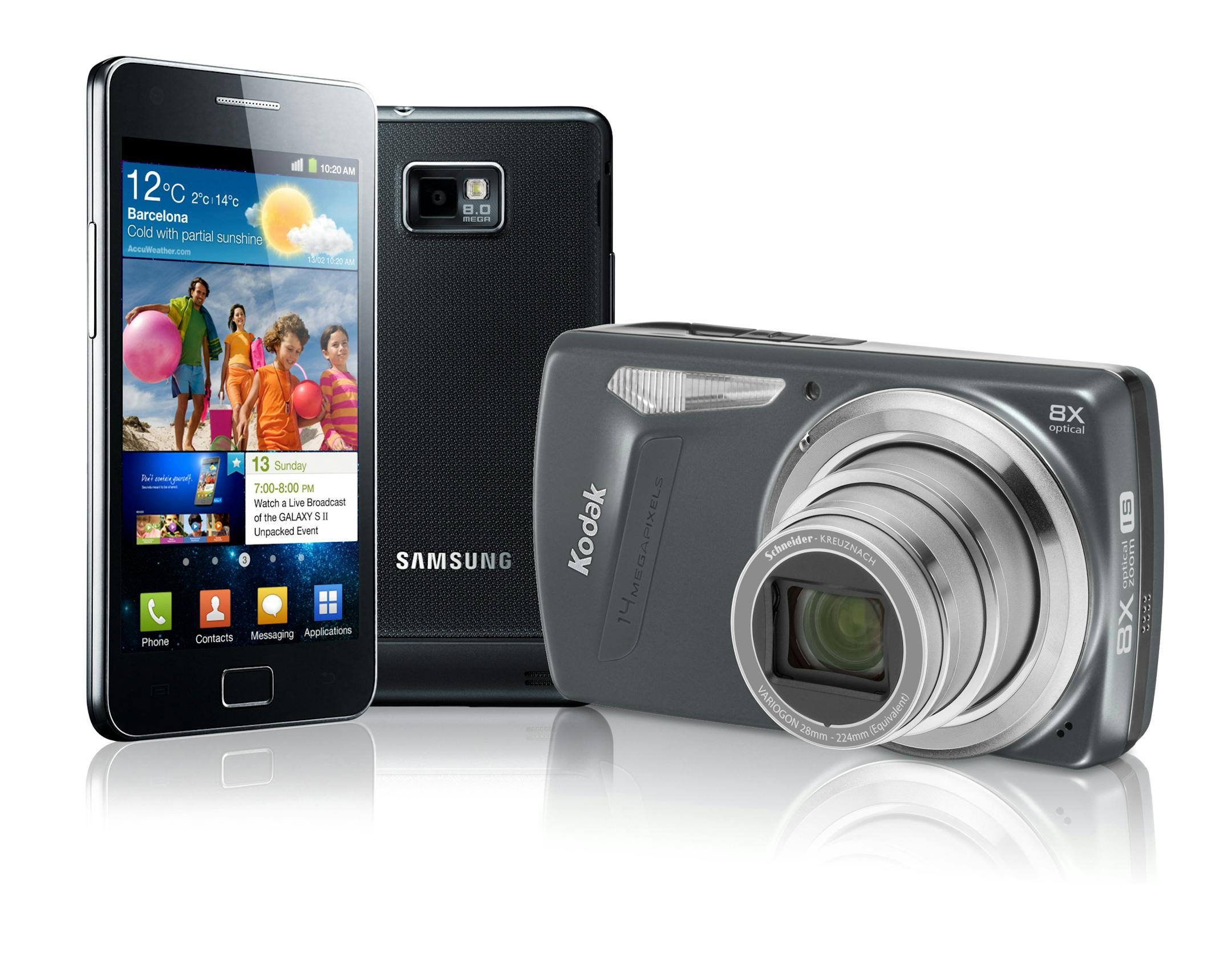
If you have a smartphone, you likely take lots of pictures with it. So why would you ever need a stand-alone digital camera?
That's a question many consumers are asking. Digital camera sales are falling, while smartphone sales soar. Consumers are taking a large and growing portion of their photos on their phones. For several years now, the most popular camera among users of the popular photo sharing site Flickr has been the iPhone.
With a smartphone, "I can do all my creativity on the same device that I took the picture with," said Chris Chute, an analyst who covers the digital camera market for IDC, a technology research firm. "That's a value proposition that's very difficult to match."
But Chute and other digital imaging experts say that despite the advantages and popularity of smartphones, there remain compelling reasons to have a digital camera. They offer higher-quality images, particularly in low light. They offer powerful zoom features unavailable on smartphones. And some models come in rugged cases that resist drops and water.
What's more, camera makers are learning from the success of smartphones and adopting some of their features, such as the ability to connect to the Internet or run apps.
"Smartphones and cameras can clearly coexist," said Liz Cutting, a senior imaging analyst at market research firm NPD Group. "They just have different places in consumers' lives."
One way cameras outperform smartphones is with their lenses. Even low-end point-and-shoot cameras these days offer five times optical zoom lenses. More expensive models offer up to 50 times optical zoom lenses. Zoom lenses are useful for taking shots from far away — say, at a child's soccer game or a recital.
While you can zoom in on an image in a smartphone, what you are actually doing is cutting out and focusing in on just a portion of what the image sensor is detecting. This typically leads to much fuzzier pictures than what you can get with a true zoom lens.


