

It was disappointing to get a marketing e-mail from Xcel Energy with the subject line "Alexa, give me a great deal," as even the trusted power company appeared eager to get a sophisticated surveillance device into our house.
Alexa, of course, is the artificially intelligent voice that responds when consumers want to talk to a machine sold by Amazon.com, maybe to place an order for more stuff from Amazon. It turns out Xcel wasn't selling an Amazon device, just a fancy version of a home thermostat that uses the Alexa voice recognition system.
Having a machine you can shout at to turn up the heat seems a little silly but harmless enough, yet this ecobee4 model that Xcel's online store had pitched also promised to let owners ask for the news to be read aloud.
So really how smart — and harmless — is one of these things?
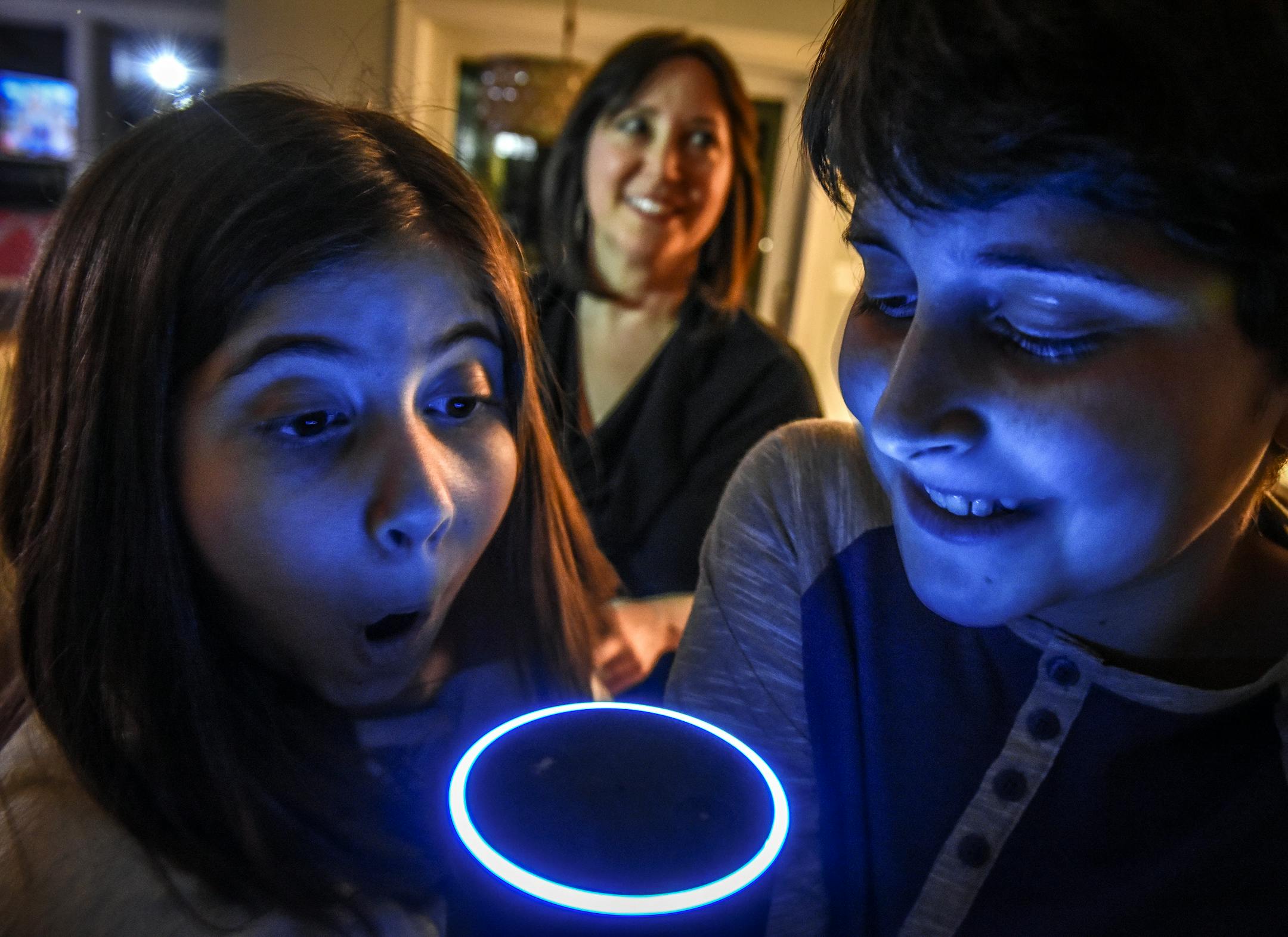
An actual Amazon Echo device, and the similar products produced by the likes of Alphabet Inc.'s Google business, promise far more capability than a smart thermostat. The popular Echo Dot looks a little like a hockey puck with a power cable, a hockey puck you can tell to ship some paper towels.
What is becoming obvious is that Americans find digital home assistants pretty cool, but it must be only because they do not think too much about how much data is being collected by the big companies that sell them.
When asked to think about it, they don't much like the data collection that is going on.
A recent quick survey pointed out just how much consumers are of two minds about their technology. More than two-thirds of respondents, as reported by the online publication Axios, said technology had a "positive or somewhat positive" effect on us. Yet in that same survey more than three-quarters thought it was a "bad thing" that the big technology companies collect so much information on us.



