

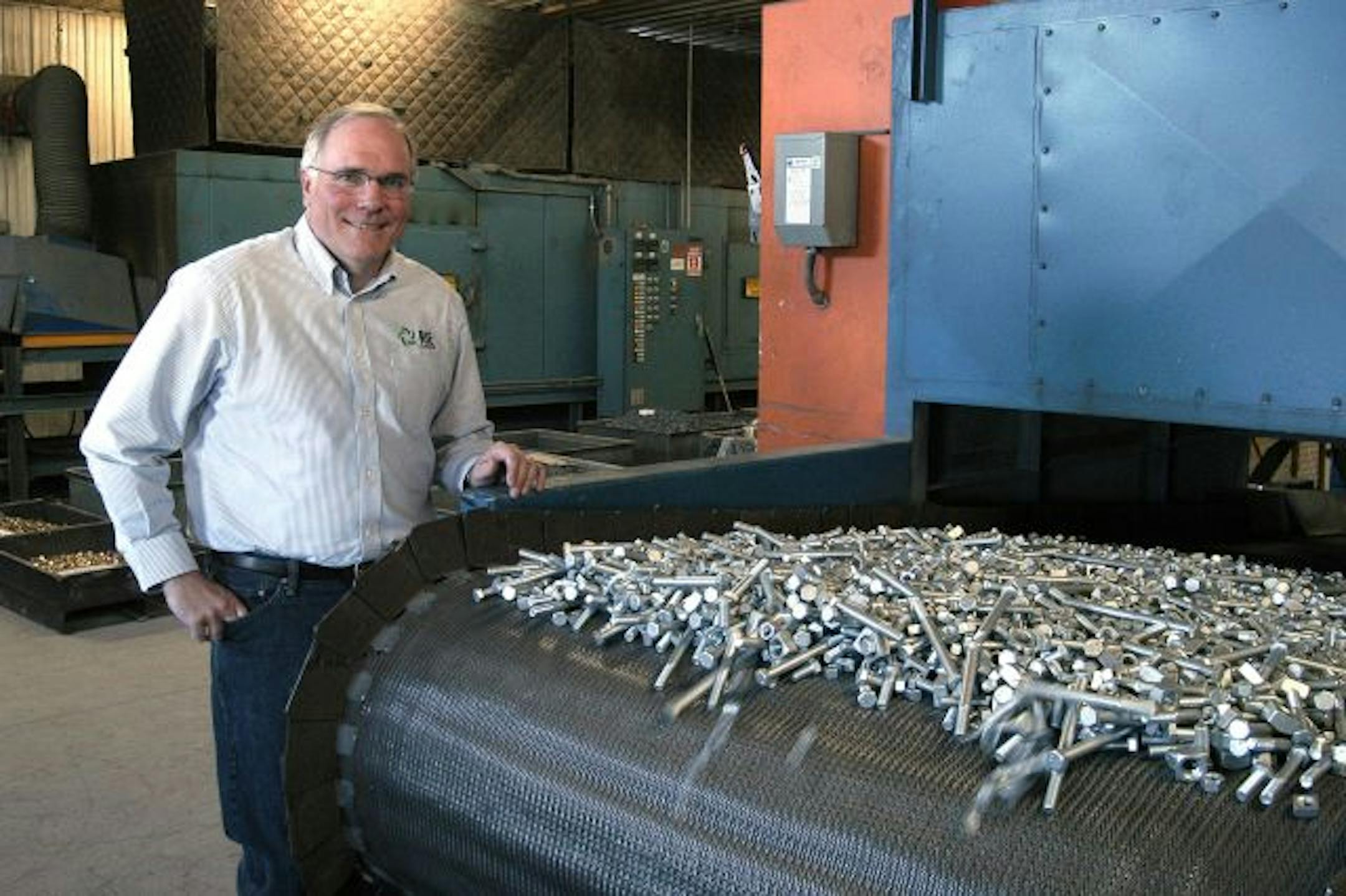
I'm betting that RIE Coatings of Eden Valley, Minn., is a proxy for the upticking Minnesota manufacturing sector and the broader U.S. economy.
"It was a struggle to survive last year," said RIE President Chuck Rau. "We had a good 2008, and then we went off a cliff in [early] 2009. Our orders dropped by more than 40 percent. We had to cut back to about 25 employees, from 49. So far this year, thanks to sticking to our strategy and keeping up our sales and marketing efforts last year, we have called back everyone. We just hired our 50th employee and we've got eight job openings."
The recovery has slowed, but we're not falling into a double-dip recession.
The economy is growing at more than 3% on an annual pace, faster than the rebound from the 1991-92 recession. This one feels different because consumers are paying down debt and trying to stay housed amid an unemployment rate that some say could be as high as 15%, counting those who have quit looking for work.
On top of the 2009-10 federal stimulus spending of nearly $800 billion targeted at transportation, energy efficiency and relieving state budget deficits, this nascent recovery is being driven by business spending and manufacturing.
That lays down a much better base than the frothy top of 2005-07 that was driven by burgeoning consumer debt, mounting imports of cheap stuff from China and highly leveraged mortgage and speculation from the Wall Street swanks who became America's biggest welfare recipients.
And rational voices started to prevail amid the market uptick this week.
"Global manufacturing growth, which has been key to the global economic recovery, has slowed its pace of expansion according to the June report of the J.P. Morgan Global Manufacturing Purchasing Managers Index," the economists at U.S. Bancorp said Thursday. "The index is currently at 55.0, which is a decline from its peak in April 2010. However, levels above 50 indicate expansion. U.S. manufacturing continued to be above the global average."



