

Story by DAVID Shaffer • Photos by DAVID JOLES • Star Tribune
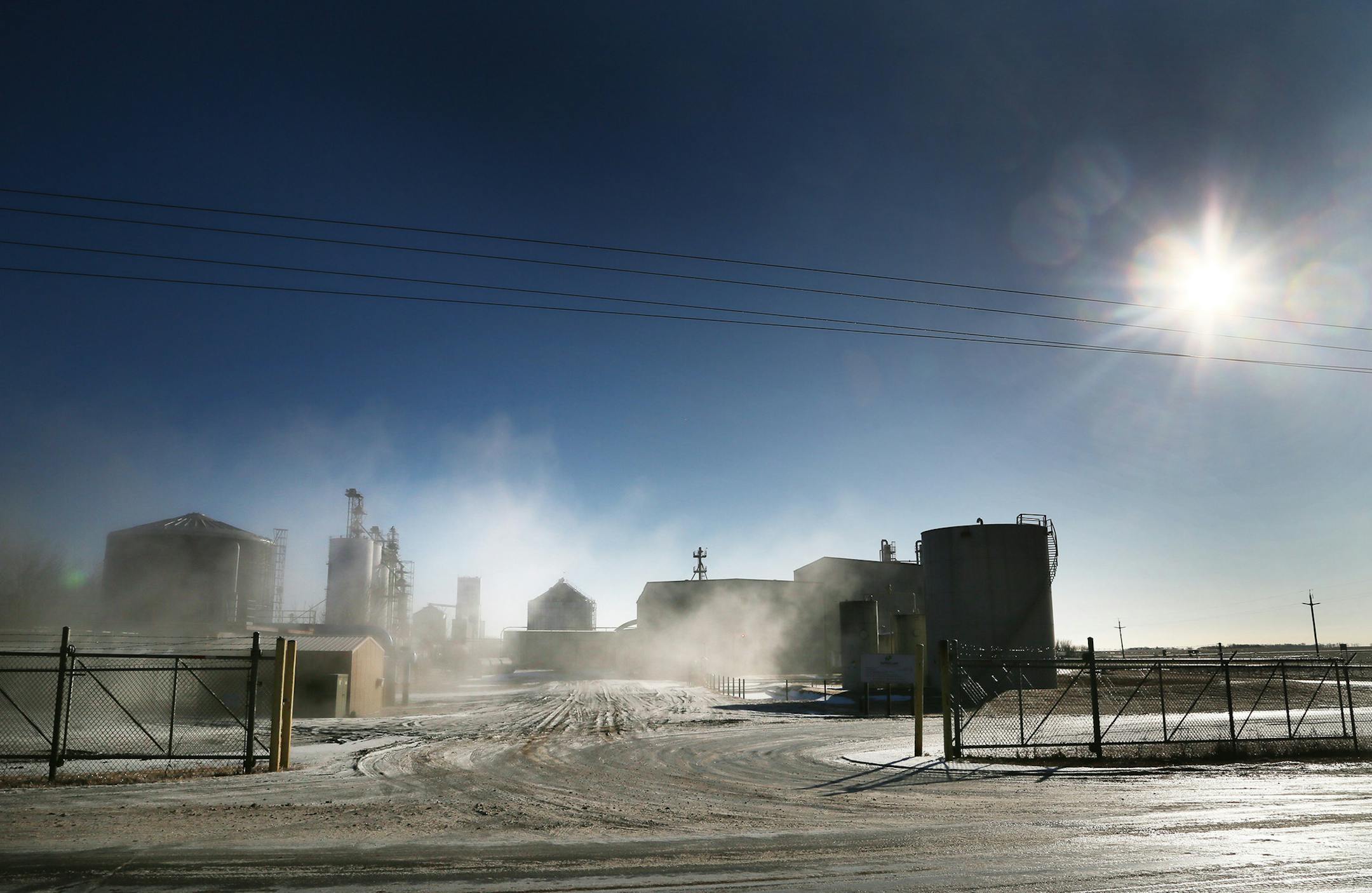
BUFFALO LAKE, Minn. – On a cold winter day, white mist swirls above the smallest ethanol plant in Minnesota — a sign that it's back in business.
Built two decades ago at the dawn of Minnesota's ethanol industry, the plant in the past four years has been idled, mothballed and restarted — only to be shut down again as it stumbled through U.S. Bankruptcy Court.
Now, a new owner has it running once more, and is confronting a core problem facing small plants in an era of larger, efficient ethanol producers. "The economics don't work," said Joe Winckler, an ethanol industry veteran who manages Buffalo Lake Advanced Biofuels.
It's a persistent challenge in the industry. Most vintage ethanol plants, including Buffalo Lake, expanded over the years, but that isn't always enough to stay competitive. Now, some of the smallest are looking to new technologies — and new products — to stay alive.
"It's innovate or die," said Randall Doyal, chairman of the Renewable Fuels Association and chief executive of Claremont, Minn.-based Al-Corn Clean Fuel, one of the state's first ethanol plants. "There is a lot of competition out there. If you stop trying to grow or innovate, you are really dying."
Winckler said it's hard to make a profit on older ethanol plants with a capacity less than 40 million gallons per year. The Buffalo Lake plant, which restarted last October, can produce 18 million gallons annually, he said.
With Wall Street financing and Midwestern innovation, the Buffalo Lake plant is taking short- and long-term steps to survive. It temporarily turned away from corn, and has instead been fermenting ethanol from cheap, government-surplus sugar.
djoles@startribune.com In the ethanol business, being old and small is a path to losing money. Some of the early ethanol plants built in the 1990s are struggling to compete against newer plants that are four or five times larger and more efficent. The small plant in this community has been shuttered twice as it went th](https://arc.stimg.co/startribunemedia/SCPDNGKQEIJQGRBQMMCQHW2MJI.jpg?&w=1080)
djoles@startribune.com In the ethanol business, being old and small is a path to losing money. Some of the early ethanol plants built in the 1990s are struggling to compete against newer plants that are four or five times larger and more efficent. The small plant in this community has been shuttered twice as it went through bankruptcy court, No](https://arc.stimg.co/startribunemedia/EA45WEQHO3LZWRZ3FTOOGZNBHQ.jpg?&w=1080)
djoles@startribune.com In the ethanol business, being old and small is a path to losing money. Some of the early ethanol plants built in the 1990s are struggling to compete against newer p](https://arc.stimg.co/startribunemedia/WTULG3AD3LRSCXQIRUZQWHMKLY.jpg?&w=1080)



