2:58
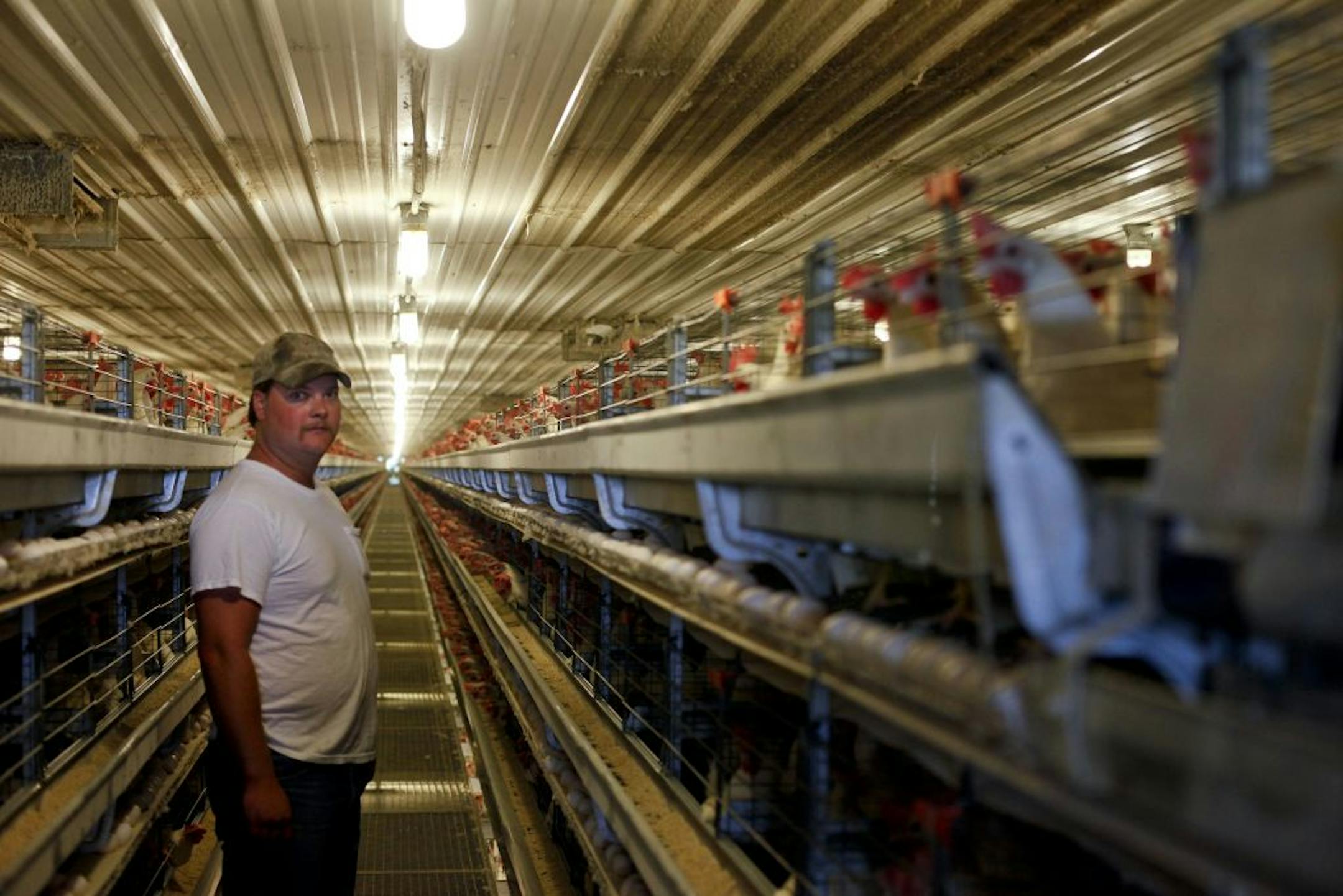
2:58LAKE PARK, MINN. - Two years ago, Isaac Baer spent more than $2 million to install a new cage system in his egg barn. The new hen homes are better ventilated, and a conveyor belt quickly carts away bird excrement. The birds are happy and healthy, Baer says.
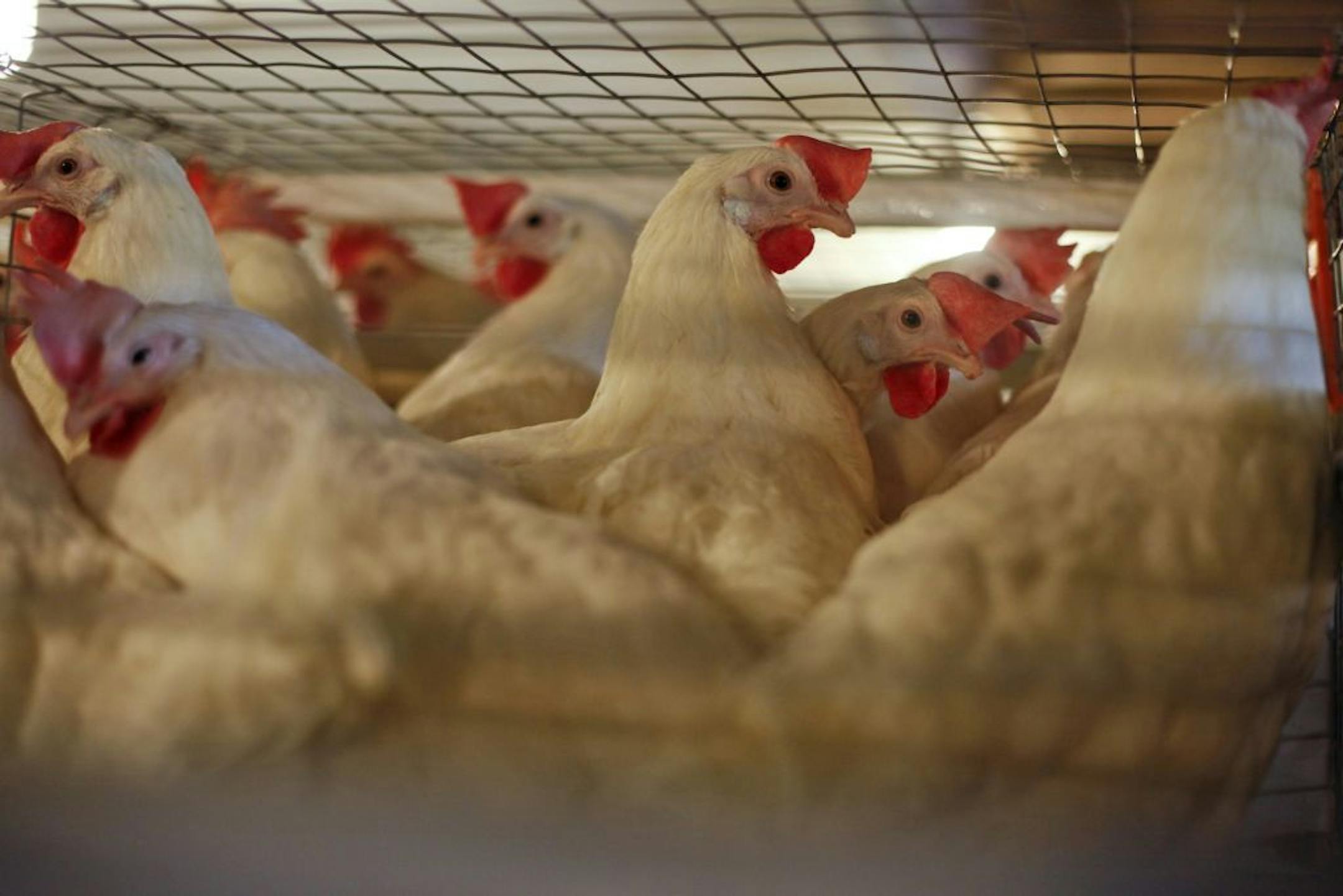
They're also packed in too tightly under rules Congress is considering that would effectively make the cages obsolete.
The bill, based on a historic truce between U.S. egg producers and animal rights activists, would require the industry to almost double chickens' living space by the end of 2029. But it has divided the industry, with some small producers arguing that the cost of upgrading cages would drive them out of business.
"This will become such an economic problem for operations of our size," said Baer's uncle, Amon Baer, who testified against the provision in Washington last week.
A lot is at stake in Minnesota, the eighth-largest U.S. egg producer and home base for three of the industry's top 10 producers: Land O' Lakes, Michael Foods and Sparboe Farms. Iowa-based Rembrandt Foods, another top U.S. producer, is owned by Timberwolves owner and Minnesota billionaire Glen Taylor.
The cage agreement, if it becomes law, will force a collective capital investment of billions of dollars by farmers over the next 17 years. But industry supporters of the deal see that expense as the best path forward when consumers increasingly care about not only what food costs but also how it is made.
"This is what egg farmers wanted and what egg farmers need to survive," said Chad Gregory, head of United Egg Producers (UEP), a cooperative and trade group that helped broker the deal with the Humane Society of the United States.
The debate has implications beyond chickens. Other livestock lobbies with a lot of political clout and animal rights issues of their own have strongly opposed the deal. If the government can prescribe housing for hens, the pork and beef industries reason, it can do the same for hogs and cattle.