

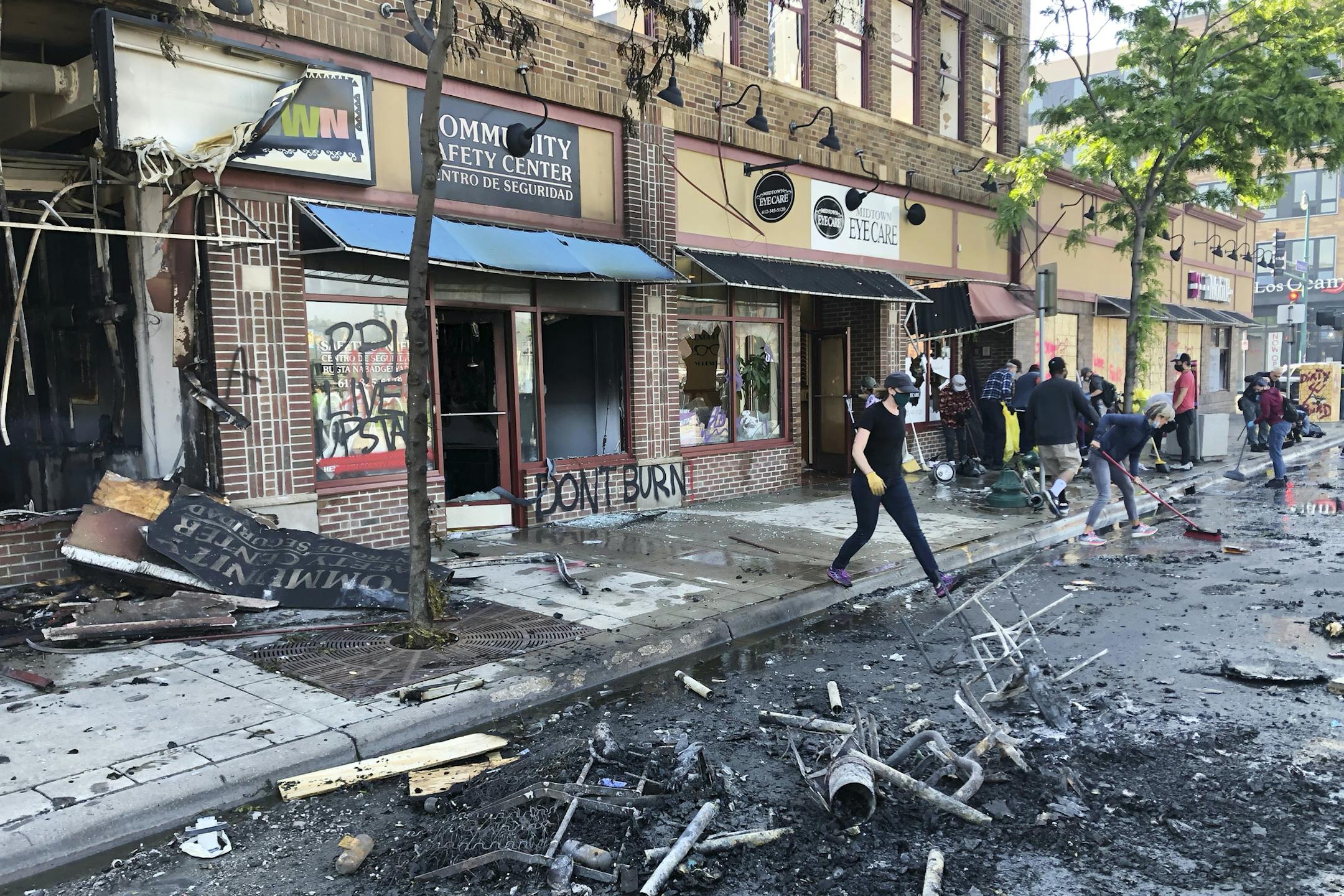
About 1,500 Minnesota small businesses need an extra dose of support. At the start of 2020 their futures were bright. But that changed quickly. Along with COVID-19 turmoil experienced by so many employers, these businesses happened to be located along the corridors damaged following George Floyd's death.
The state will get its money back. Recent, local data shows how.
In 2019, Wilder Research did an independent study of businesses helped by Neighborhood Development Center (NDC). That study showed each business contributes $284,458 on average to their city and state annually. That's just one business. There are more than 25 businesses that were damaged near E. Lake Street and Chicago Avenue alone. Multiply that $284,458 in wages, rents, business expenses and property, payroll and sales taxes by 25. You see how this one small area alone pumps more than $7 million into Minnesota's economy each year.
The same Wilder Research study shows 71% of businesses we work with hire residents from the local neighborhood and pay them an average of $15.50 per hour. A 2020 analysis by the Constellation Fund found that NDC support helps businesses expand and add new jobs, causing low income workers to earn, in aggregate, an additional $25 million over two years.
These economic numbers are from just NDC. Other community organizations, equally committed to sticking with these businesses for years to come, are generating similar results.
Neighborhoods futures are dim without state funding.
What will happen to these once bright, vibrant neighborhoods if the Legislature doesn't act? NDC partner and Lake Street Council Executive Director Allison Sharkey articulated three possibilities:
Big developers may buy up lots to bring in chain stores and high-rises; neighborhoods may dissolve into the blighted, dangerous corridors they were in the 1980s; Black, Indigenous and immigrant neighborhood entrepreneurs, their families and other longtime neighborhood residents will be pushed out.


