Small businesses aren't in the dire straits they were four years ago, but presidential candidates aren't letting go of an issue they think will get them votes.
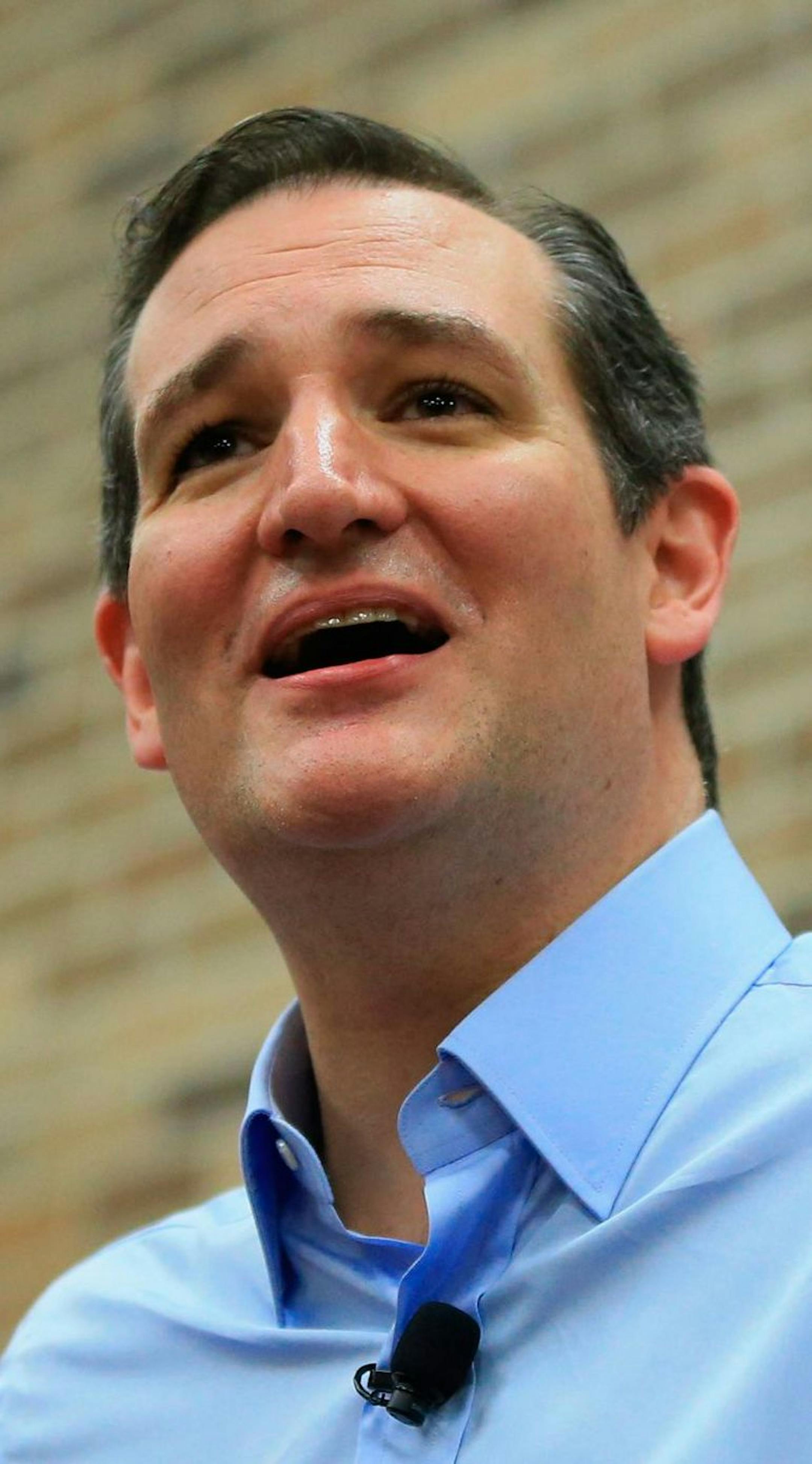
Democrat Hillary Rodham Clinton has made small business one of the top items on her campaign agenda. Republican Ted Cruz says the primary problems hurting small companies are the health care law, taxes and government regulations. Republican Rand Paul says the tax law is burdening small business and slowing the economy.
Small businesses are in better shape than in 2012 when many owners were scared to hire people and spend on expansion. These days, owners are more optimistic. Their companies have healthier finances and are investing in equipment and property, according to several surveys.
Still, candidates are already talking about the nation's 28 million small businesses. It's not a bad tactic since a huge block of people own a small company or work for one. In the 2012 race, there was little noise about small business until four months before Election Day, when Republican Mitt Romney accused President Obama of not caring about small companies.
Buzz words
When candidates say "small business," they're talking about creating jobs, telling voters something they want to hear, says David Primo, professor of political science and business at the University of Rochester, N.Y.
It's also a way of connecting with the middle class.
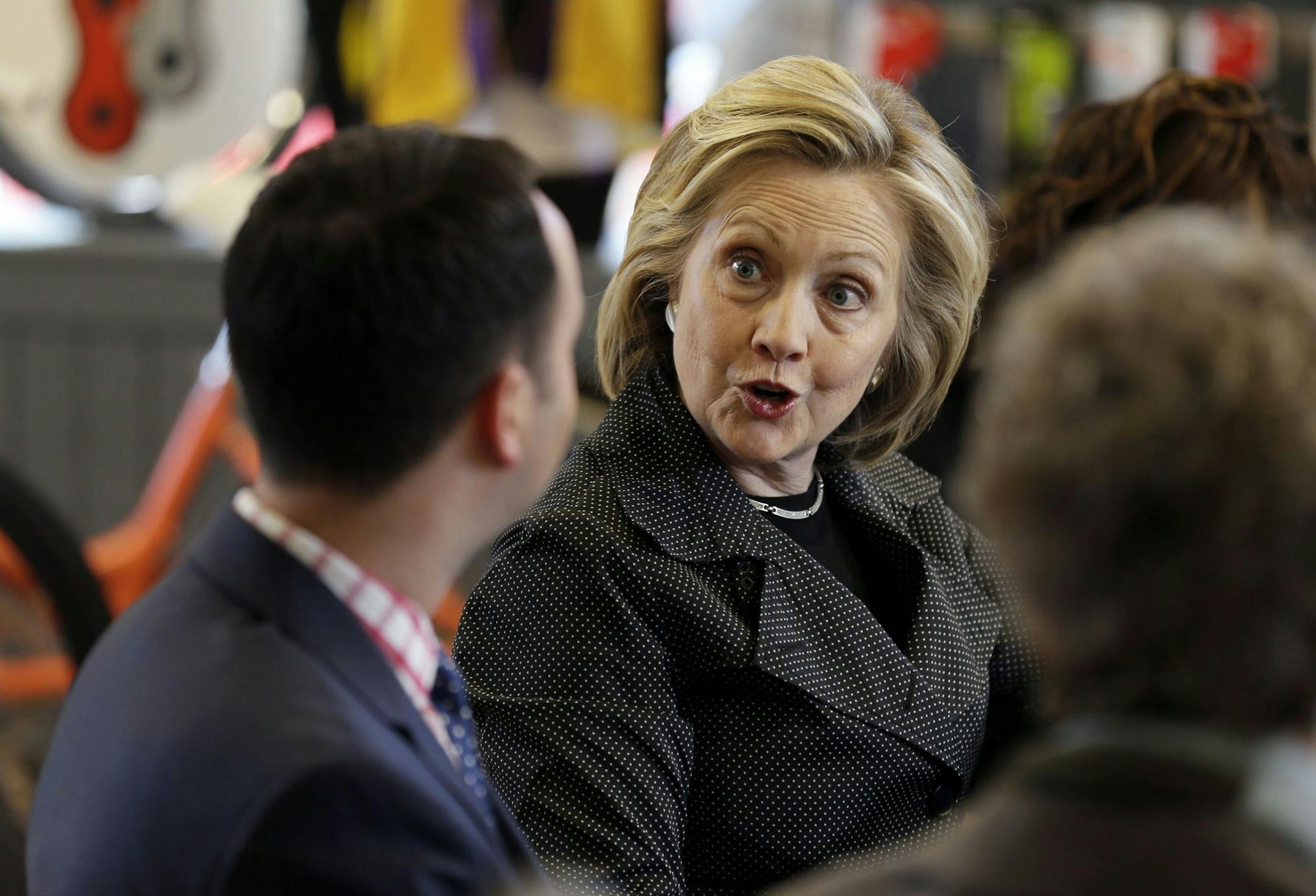
"I want to be a small-business president," Clinton said recently during a meeting with small-business owners in Cedar Rapids, Iowa, and then went on to describe growing up in a middle-class home where her father ran a small drapery fabric printing company.
"My mother, my brothers and I and occasionally a few day laborers would help out with the actual printing process. That's what put food on the table and gave us a solid middle-class home," Clinton said.