

Workers in five states could get a raise after Election Day.
Some small-business owners say raising the minimum wage will pressure their companies, forcing them to cut employees' hours or jobs. Others say it's the right thing to do for workers and the economy.
Minimum wage referendums are on Tuesday's ballots in Alaska, Arkansas, Illinois, Nebraska and South Dakota, where minimums range from $6.25 to $8.25 an hour. Some small-business owners say raising the minimum wage will force them to cut employees' hours or jobs. Higher minimums were already approved this year in 10 states, the District of Columbia and Seattle.
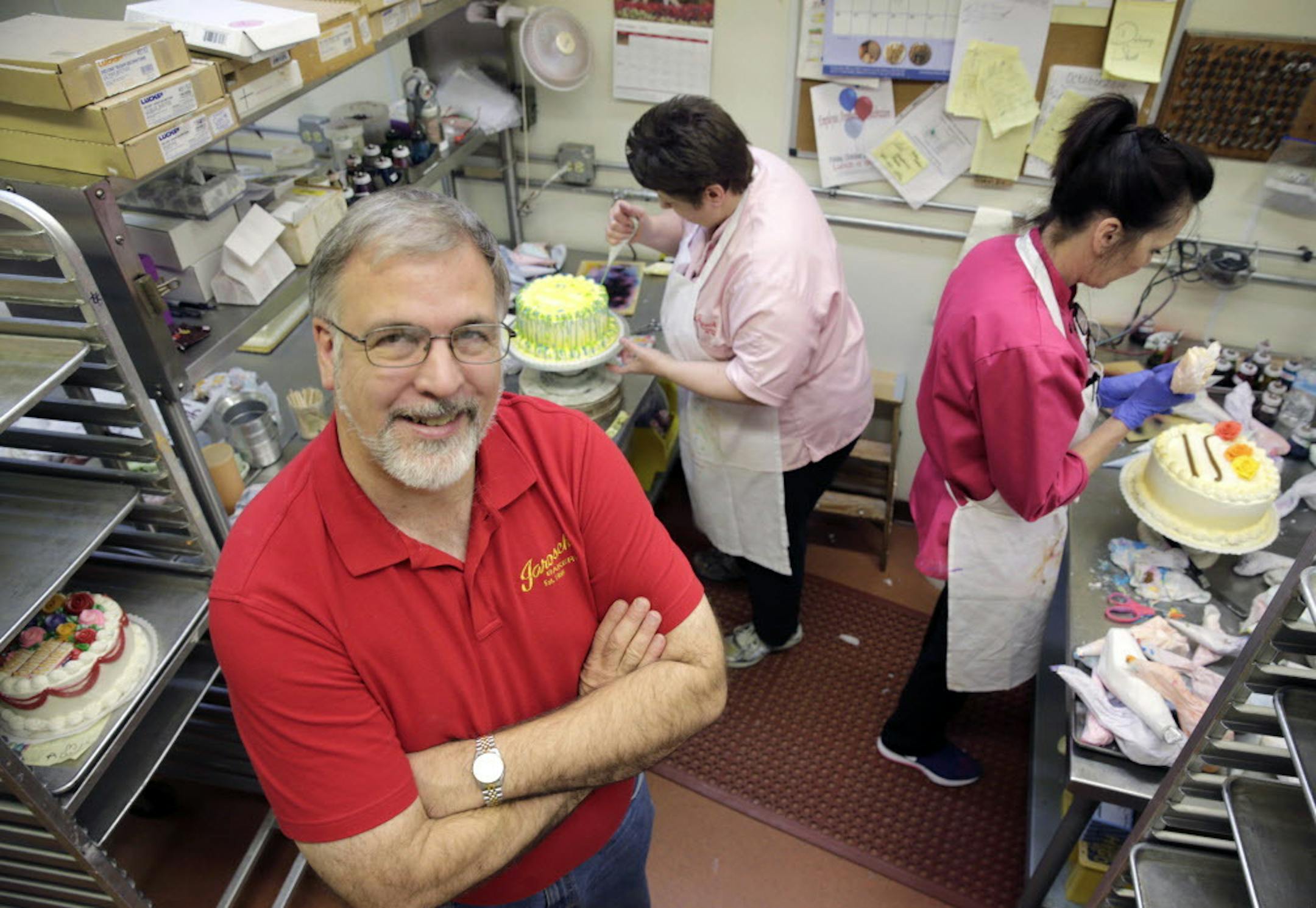
Ken Jarosch thinks he'll have to raise prices and hire fewer part-timers for his Elk Grove Village, Ill., Jarosch Bakery if the state's minimum rises. The referendum in Illinois is nonbinding, giving the state legislature the voters' opinion on the measure. Jarosch's costs would rise about 5.5 percent if the wage rises from $8.25 to $10. He has about a dozen high school students earning minimum wage out of his staff of 60.
"I'd have to increase my prices about 2.5 or 3 percent," says Jarosch. He's also concerned about a proposed increase of Chicago's minimum to $13. If that happens, he may boost pay even more to prevent workers from leaving to take jobs in the city, about 25 miles away.
Companies are more likely to raise prices than cut jobs. Thirty percent would pass along an increase to customers, according to a May survey by Pepperdine University's Graziadio School of Business and Management. Fourteen percent said they'd cut hours and nearly 12 percent said they'd lay off employees.
An upward trend
While 10 state legislatures voted to hike the minimum wage this year, it rose in 11 others because of inflation. And President Obama in February ordered companies with federal contracts to pay at least $10.10 an hour. Obama wants the $7.25 federal minimum raised to $10.10. About 3.3 million people, or 2 percent of the workforce, are at or below the federal minimum, according to the Labor Department.
Seasonal workers at Rick Poore's screen printing and embroidery company in Lincoln, Neb., earn the minimum wage, which Tuesday's referendum could raise from $7.25 to $8 on Jan. 1, and another $1 in 2016.



