

The COVID-19 pandemic has had a major impact on nearly every aspect of life in Minnesota, with an especially devastating effect on educating children. Many schools are in the process of reopening after months of remote learning — a situation that's made the state's wide educational disparities even worse.
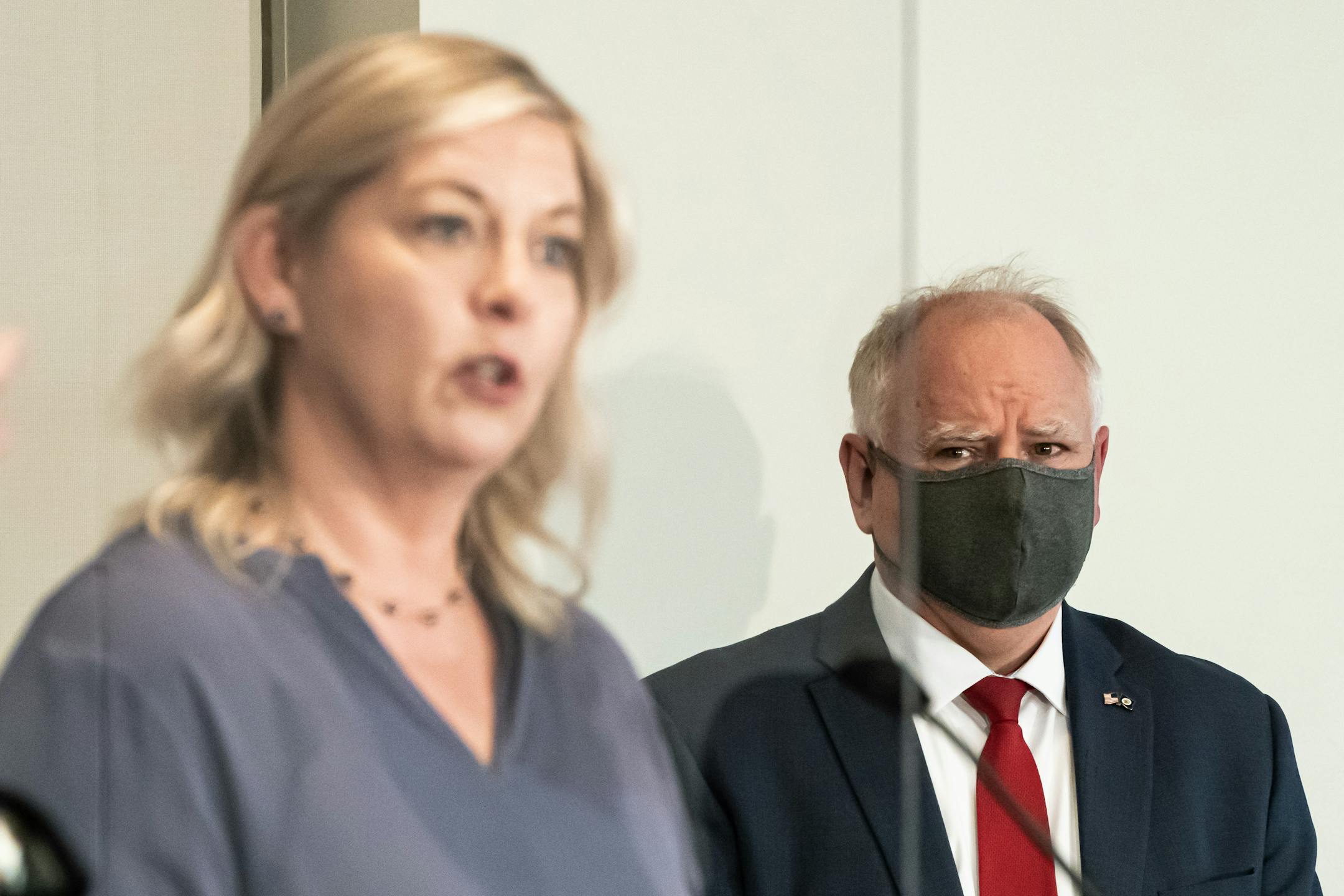
That's why the equity goals outlined in Gov. Tim Walz's education budget proposal announced last week are on target. He wants to improve learning for students of color and help all students recover from the educational difficulties caused by the pandemic.
"It might be easy to say, well, we can't do much now, we're focused on COVID, we don't have the resources," Walz said. But he acknowledged that with racial and economic inequities even more exposed by the pandemic and George Floyd's death, failure to tackle them together "would be exactly the wrong solution."
Those are worthy goals, but they're not new. And it's understandable if Minnesotans are unconvinced that better results will necessarily follow.
It's also an expensive plan.
Walz recommends an additional $745 million for E-12 education under his administration's Due North plan. And the state expects to receive another $649 million specifically for COVID-19 education recovery.
The largest chunk of the E-12 funds would be about $300 million to increase the per-pupil amount received by all districts. The student spending formula would add 1% the first year and 2.5% in the second year of the biennium.
Nearly $100 million of both federal and state funds would go to a variety of targeted summer school, tutoring and mental health programs to help students catch up academically. The spending plan puts more than $100 million into subsidizing districts with lower tax bases and with declining enrollments.


