Researching the 1962 Cuban missile crisis for my novel "Crosshairs on Castro," I found half a dozen details that are relevant to our current crisis with North Korea.
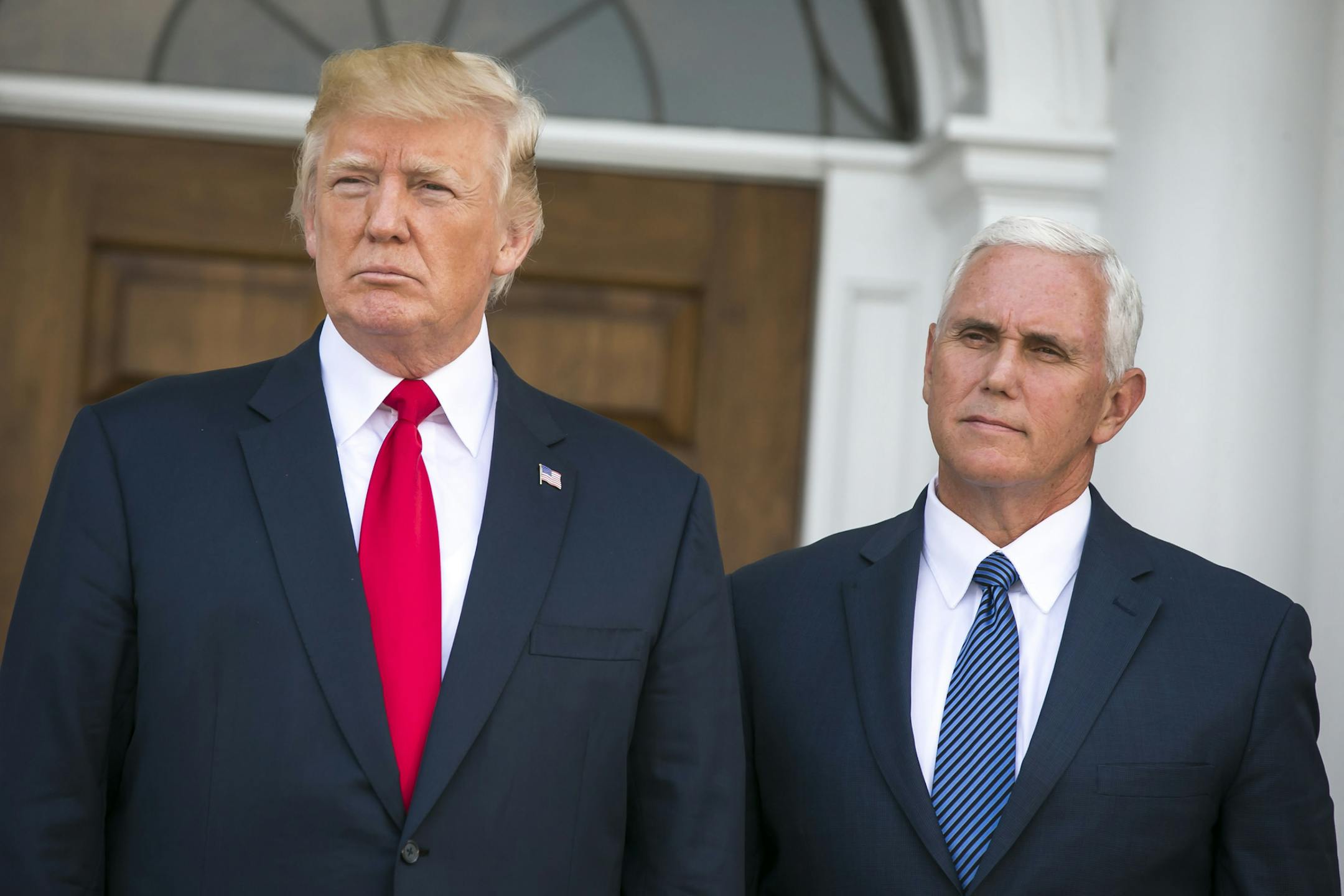
1) President Donald Trump has been sharply criticized for his blustery remark that North Korean aggression against the U.S. "will be met by fire and fury like the world has never seen." Such language, critics say, enflames the crisis and hinders resolution.
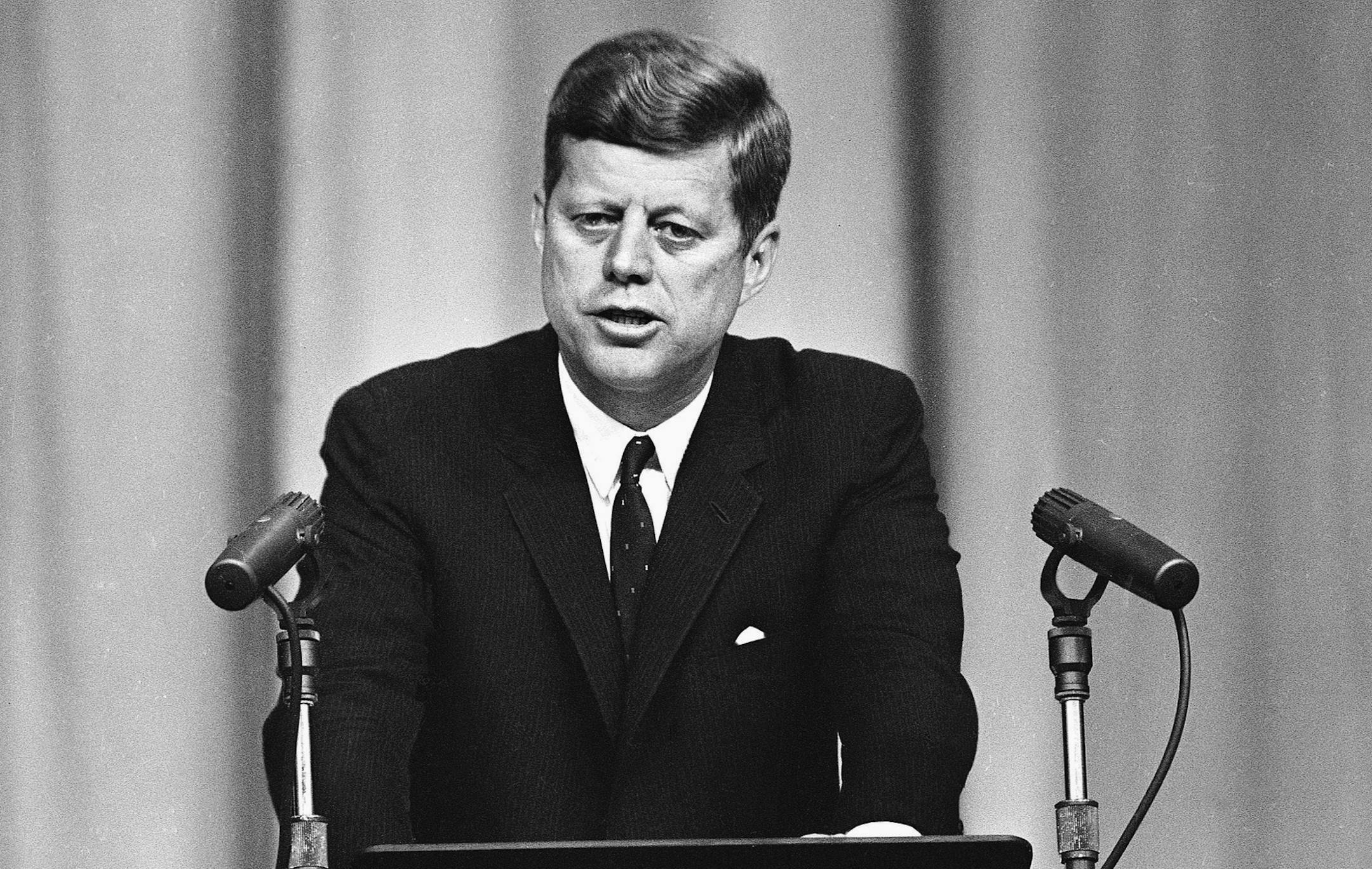
But President John F. Kennedy's public message to the Russians in 1962 was no less bellicose: "It shall be the policy of this nation to regard any nuclear missile launched from Cuba against any nation in the Western Hemisphere as an attack on the United States, requiring a full retaliatory response upon the Soviet Union." Fortunately, Kennedy lacked Trump's gift for bombast.
But is there any substantive difference between Trump's "fire and fury" and Kennedy's "full retaliatory response?"
2) It helped in 1962 that Kennedy was more cautious than his military advisers. They applied unrelenting pressure for massive airstrikes against Cuba and a 140,000-man invasion. Kennedy was the cool head who questioned whether that would work. The military chiefs of staff resoundingly rejected the quarantine option, which ultimately proved successful. Today, these roles seem to be reversed. Trump is the one who strides boldly into the unknown; his advisers seem more measured and cautious.
3) It also helped in 1962 that both Kennedy and Soviet Premier Nikita Khrushchev allowed the other to save face. Khrushchev made the biggest concession, agreeing to withdraw his nukes from Cuba. Kennedy, in turn, agreed not to invade Cuba and to dismantle outmoded missiles in Turkey. Knowing that the withdrawal of the Russian missiles was a resounding victory, Kennedy instructed his staff not to humiliate Khrushchev by gloating. Whether Trump has the courage to not gloat remains to be seen.
4) A very important lesson from 1962 is the overriding danger of a nuclear exchange by accident. Decisionmakers at the top lose control over incidents at lower levels. In 1962, the captain of a Soviet submarine was on the verge of firing at the American naval fleet in the Caribbean. His subordinates talked him out of doing that. In another incident, an American U-2 spy plane drifted over Siberia and was chased by Russian MiG fighter planes. Two American interceptor F-102s were sent to protect the U-2, but the F-102s had no conventional armaments. Each was on a collision course with the Russian MiGs, and its only weapon was an air-to-air nuclear missile the pilot was capable of firing. Catastrophe was averted when the Russian planes ran low on fuel and had to turn back.
Also in 1962, without authorization from Moscow, an anti-aircraft crew in Cuba shot down an American U-2 spy plane. Kennedy's generals demanded immediate airstrikes on Cuba in reprisal, and the president was barely able to contain them.