Insurance companies that cover damage from natural disasters need to a way to evaluate the risks they face. In essence, they must ask, "What are the chances that a hurricane, earthquake or flood might damage a particular building in a particular city?"
The question takes on front-page importance as Colorado battles giant forest fires, Texas and parts of the Southwest suffer exceptional drought conditions and Duluth recovers from the worst flooding in more than a century.
EQECAT is a "catastrophe risk modeling" firm based in Oakland, Calif., that uses computer simulations of disasters to help quantify their risks. Its executives visited Minneapolis recently to explain how it can help insurers.
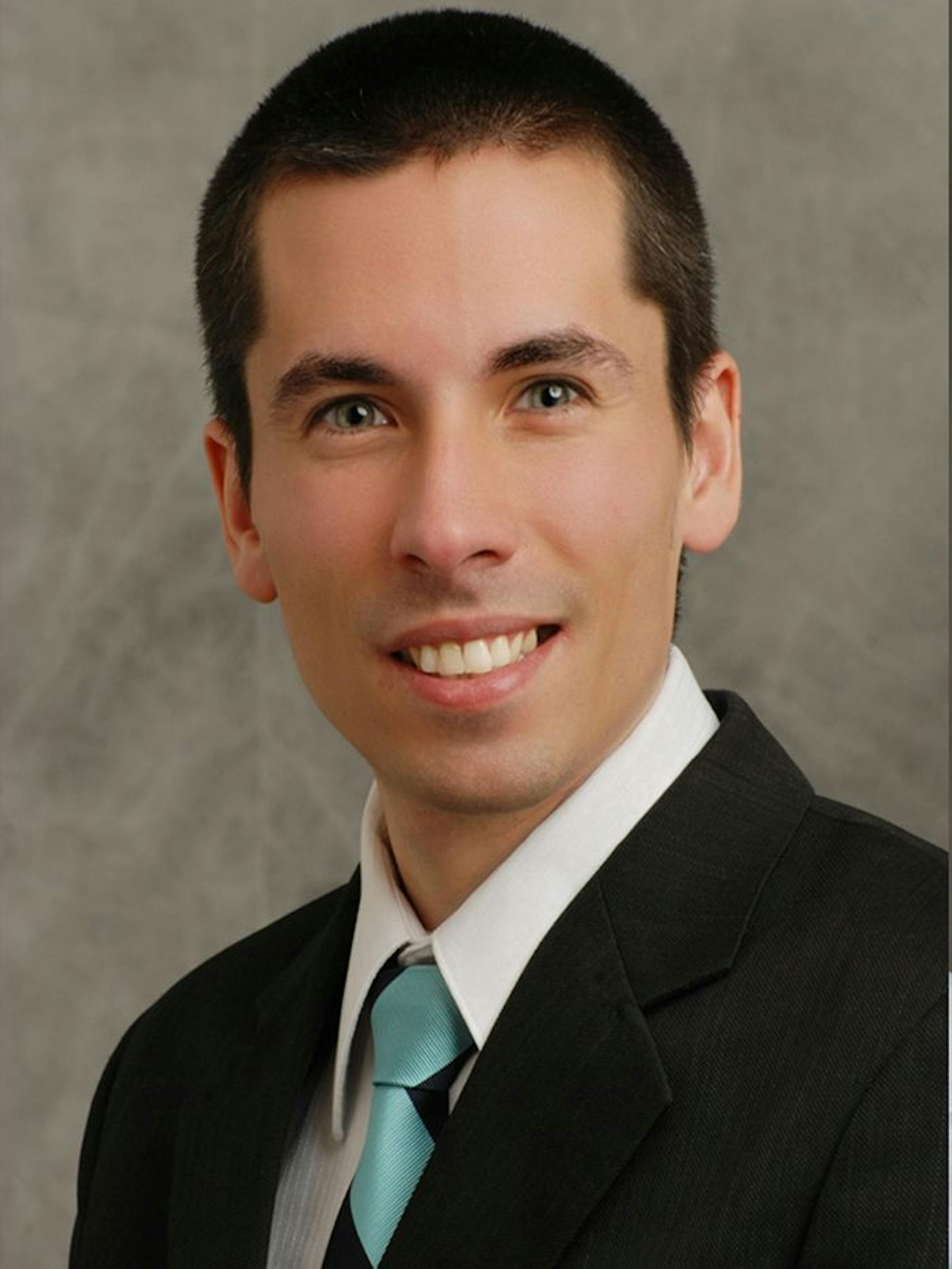
Jose Miranda is the firm's director of client advocacy and a meteorologist by trade. This interview was edited for length and clarity.
QHow do insurance companies use your software to help set premiums for natural disaster insurance?
AUsually our clients have a portfolio of property somewhere in the world. They input the actual location of a site or structure into our computer model, and the model outputs their risk of encountering a natural disaster. Clients make their own decisions about whether to write an insurance policy or how to price it; we don't make any recommendations.
QHow long have insurance companies been relying on computer simulation risk models?
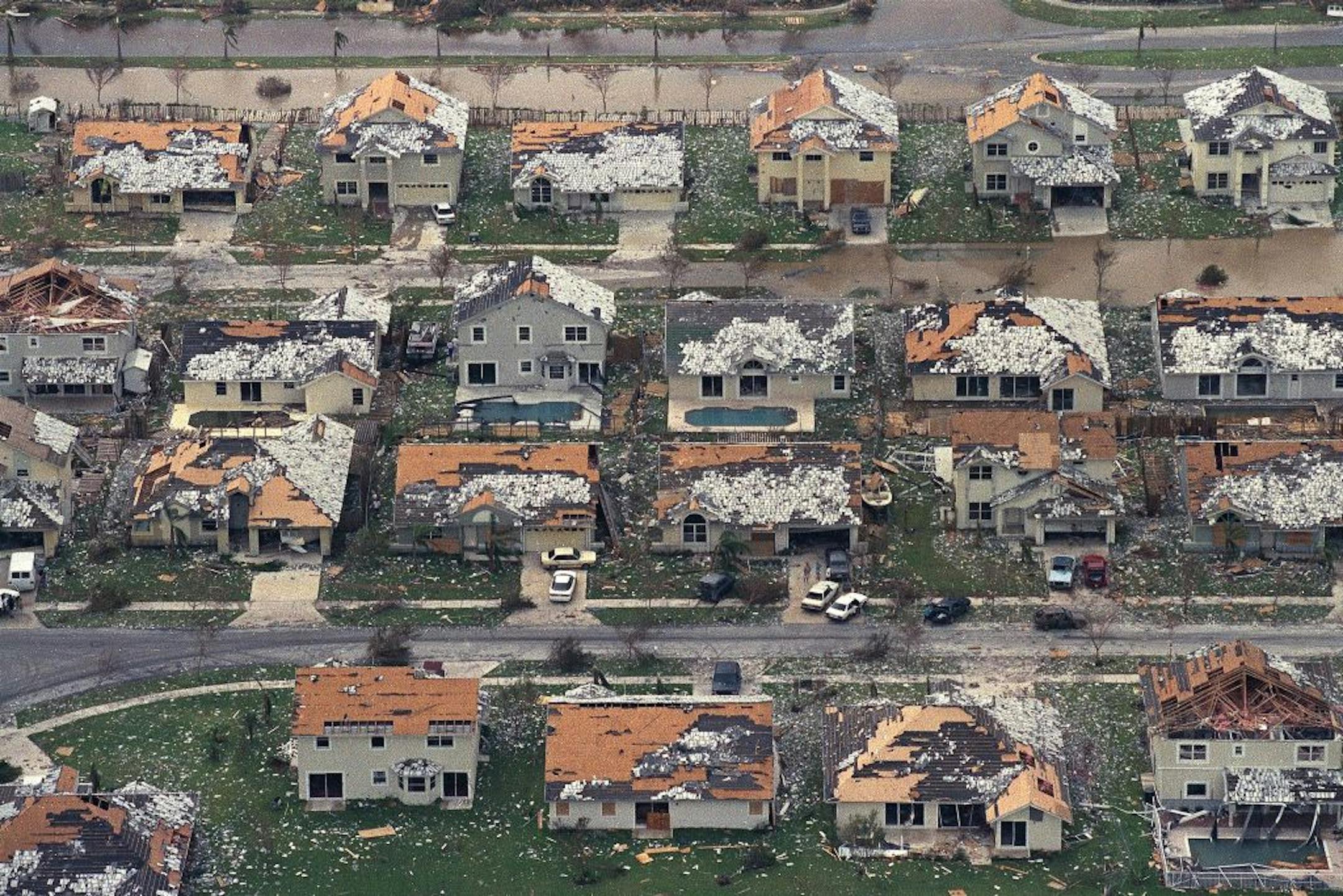
AInsurance companies began using them in the late 1970s and early 1980s. But our industry didn't become as important as it is today until Hurricane Andrew hit in 1992, bankrupting several primary insurance carriers in Florida and causing insurance companies to realize they had to understand the risks that were out there. Today we run our computer models out to 300,000 simulated years. That gives us more information on rare events and better results about more frequent events.