


A lifetime of reading has convinced me that books are more likely to get worse — not better — as they go. “The Breath of the Gods” bucks that trend.
You could say Simon Winchester’s book, subtitled “The History and Future of the Wind,” is running against the wind. There’s too much hot air in its first half, which has an awful lot of detail about, for instance, how gases work and not enough of the sort of people-oriented writing that makes things like jet streams and anemometers (they measure the wind) feel fascinating and vital. But the author of the terrific “The Professor and the Madman” (about the creation of the Oxford English Dictionary) and “Krakatoa” (about that volcano’s world-altering explosion) hits his stride in the second half.
Even when it’s a familiar topic, Winchester finds fascinating ways in. I’m thinking of the Swedish man who shows up for work one ordinary day and sets off the radiation detector for reasons that only become clear days later, when the Soviet Union finally admits there was a disaster in Chernobyl. Beginning the story in Sweden makes sense because that worker was the canary in a coalmine, but it also turns writing about a well-known event into something of a whodunit.
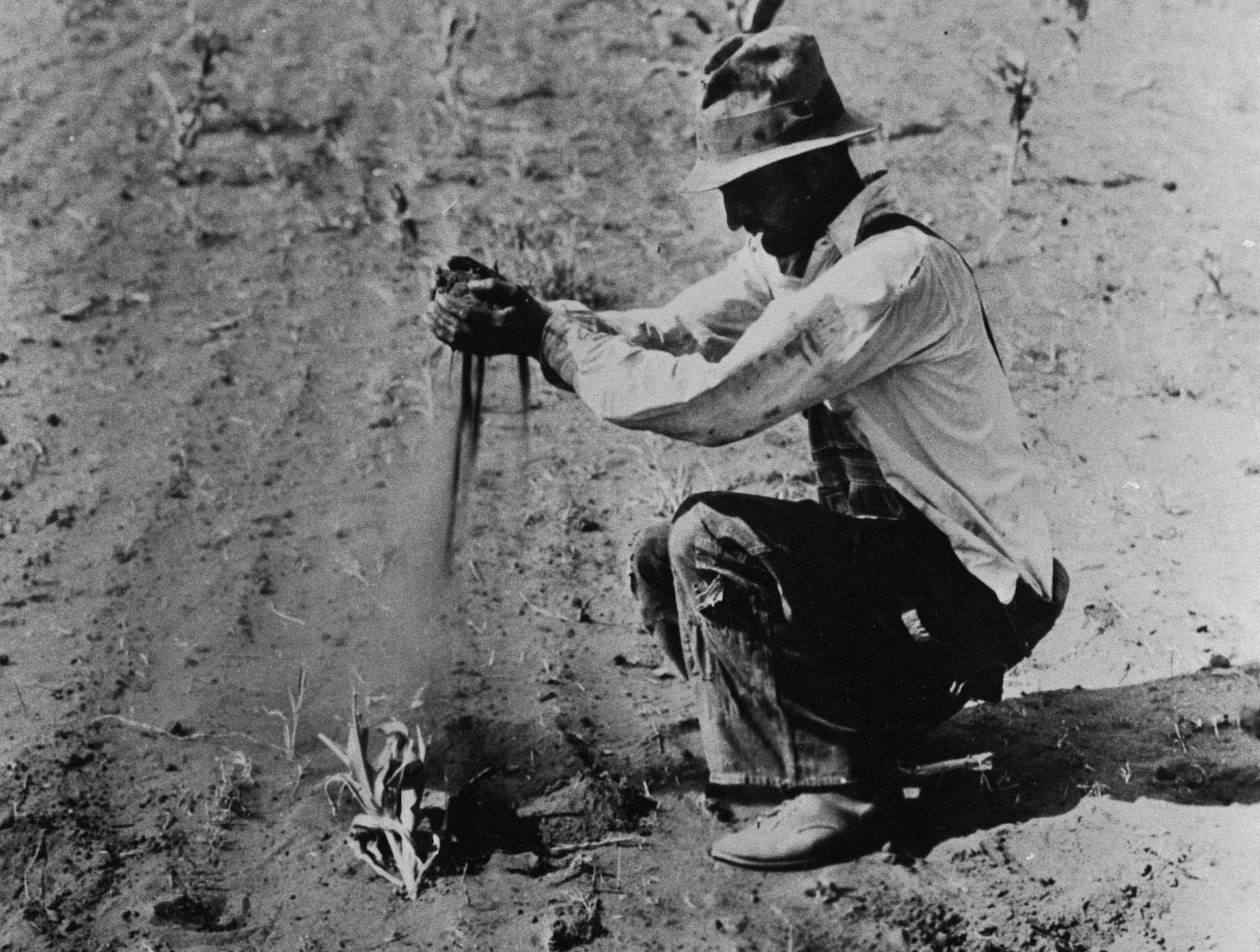
Winchester also is a great synthesizer of material. He’s not the first to report about soil conservationist Hugh Bennett, who also appeared in Timothy Egan’s National Book Award-winning masterpiece “The Worst Hard Time,” but it’s all in Winchester’s timing. And Bennett’s. When the conservationist happened to be testifying before Congress during the Dust Bowl and a mighty wind sent dark clouds of dirt past the building’s windows, he remarked, “There goes Oklahoma, gentlemen.” They didn’t have mic drops back then, so we’ll have to give it to Winchester today.
My favorite sentences of the book also have to do with the Dust Bowl. Winchester compares that 1930s natural tragedy to the present, when the same land is one wind farm after another, with irony and elegance: “A century ago the High Plains survived, barely, in spite of the wind. Today they prosper, largely, because of it.”
Winchester also includes breathtaking, minute-by-minute accounts of ships wrecked by high winds and Japanese cities decimated by bombs during World War II, as well as tales of near-disasters that were averted because the wind shifted and goofy stuff like an explanation of why the flag planted on the moon appears to be fluttering in photos, even though there’s no wind on the moon. The second half of my copy of “Breath” is packed with my notes on the extraordinary people and details that Winchester unearths.

Admittedly, I made fewer of those notes in the first half.
Winchester may have reached the point in his august career where he doesn’t get a lot of editing, but I’d love someone to tell him that the phrase “which I discuss in another chapter” should not appear as many times as it does in “Breath” or that maybe we don’t need to know where every gear in a windmill fits. Also, a concept introduced in the preface, that the world is getting stiller, is essentially contradicted in the final chapter.


