Hollywood is filled with small-time crooks: stars who boast on red carpets and late-night talk shows about swiping mementos from set. Bryan Cranston made off with Walter White’s porkpie hat from “Breaking Bad”; Ariana Grande lifted a pair of prosthetic ears from “Wicked.”
One might assume that Mary Tyler Moore would have wanted the Hat from the opening titles of her 1970s hit series, “The Mary Tyler Moore Show.”
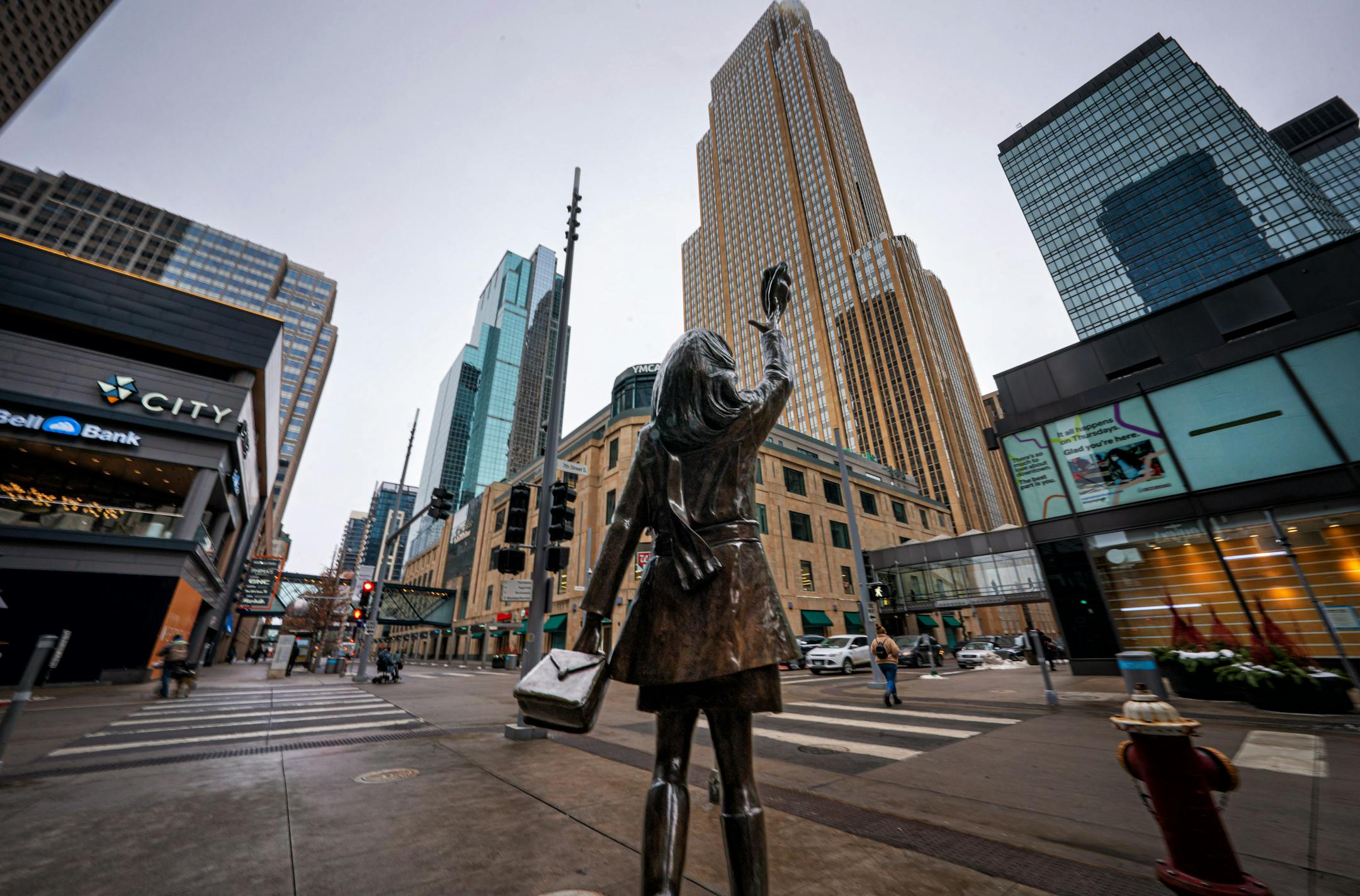
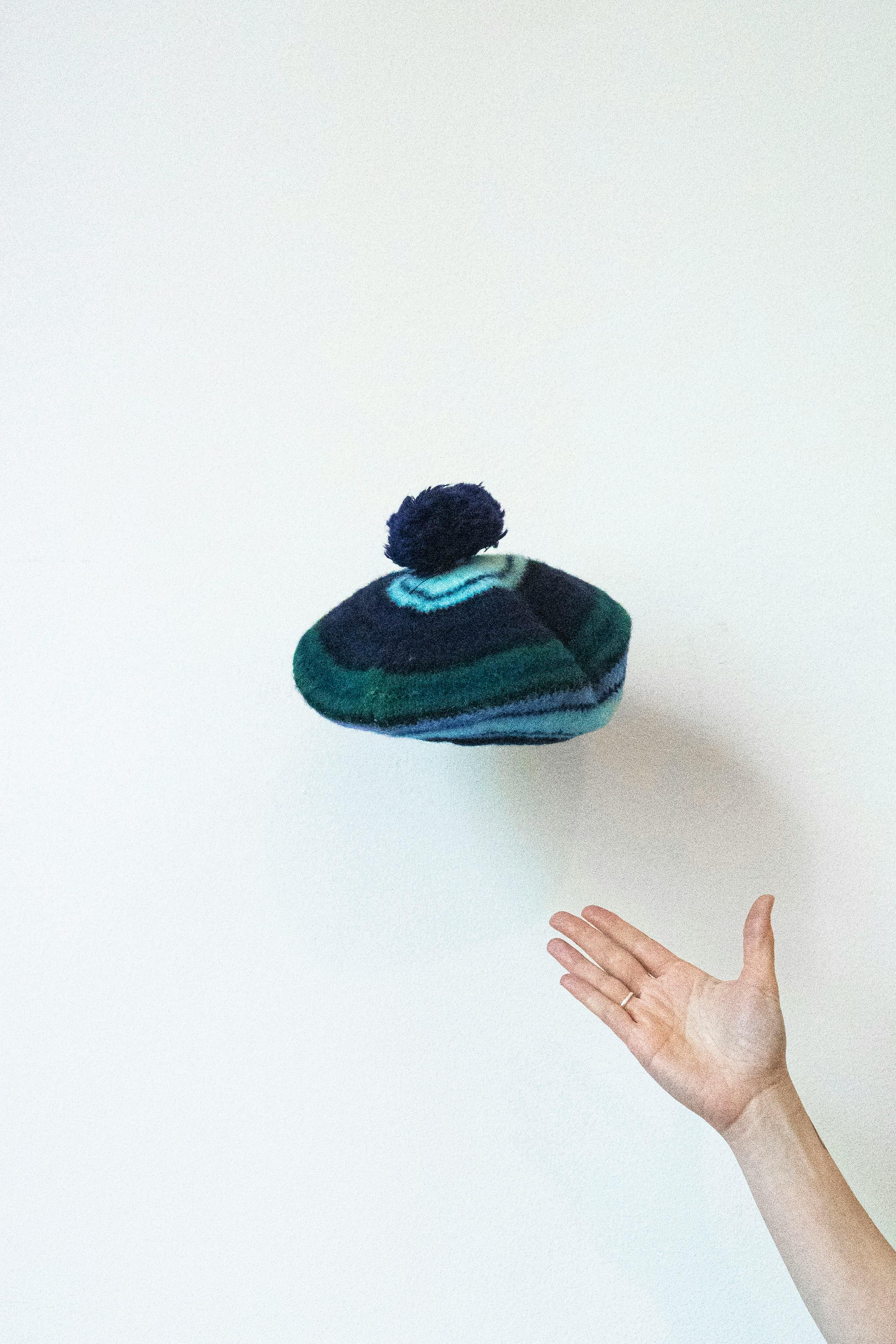
In what may be the most famous freeze frame in television history, Moore’s character, a Midwestern sunburst named Mary Richards, removes her tufted tam-o’-shanter and, right in the thick of bustling Minneapolis foot traffic, tosses it skyward — as purely ebullient an image as Hollywood has ever produced. The moment has been aped by “Scrubs” and “The Simpsons,” and immortalized in bronze at the site of the throw. In an opening title sequence that was forever being tweaked throughout the show’s seven seasons, The Hat was a constant.
So: How did she manage to keep it?
“Well, you have to remember: She owned the company,” her husband, S. Robert Levine, gently explained. “I think someone put it in an envelope for her.”
Fair enough. As the eponymous MTM of MTM Enterprises (the production company behind all 168 episodes of the show’s 1970-77 run), Moore did not exactly need to break into the costume department after dark to claim her piece of history. But neither did she treat the woolen cap like a conversation piece or hunting trophy: She did not, for instance, bring it out at parties.
“It wasn’t something that we were passing around, no,” Levine said with a laugh. Moore had kept The Hat hidden away in a file drawer in her office for years. “It was only when I started to dig into everything that I found it.”
In the eight years since Moore’s death, at 80, that digging around has occasionally been at someone’s request, as when the director of the 2023 HBO documentary “Being Mary Tyler Moore” sent Levine rooting around in his basement for more “personal stuff” for the film. Other times, it’s been part of the more difficult work of, as he put it during a recent interview, “finding what ‘next’ is going to be.”