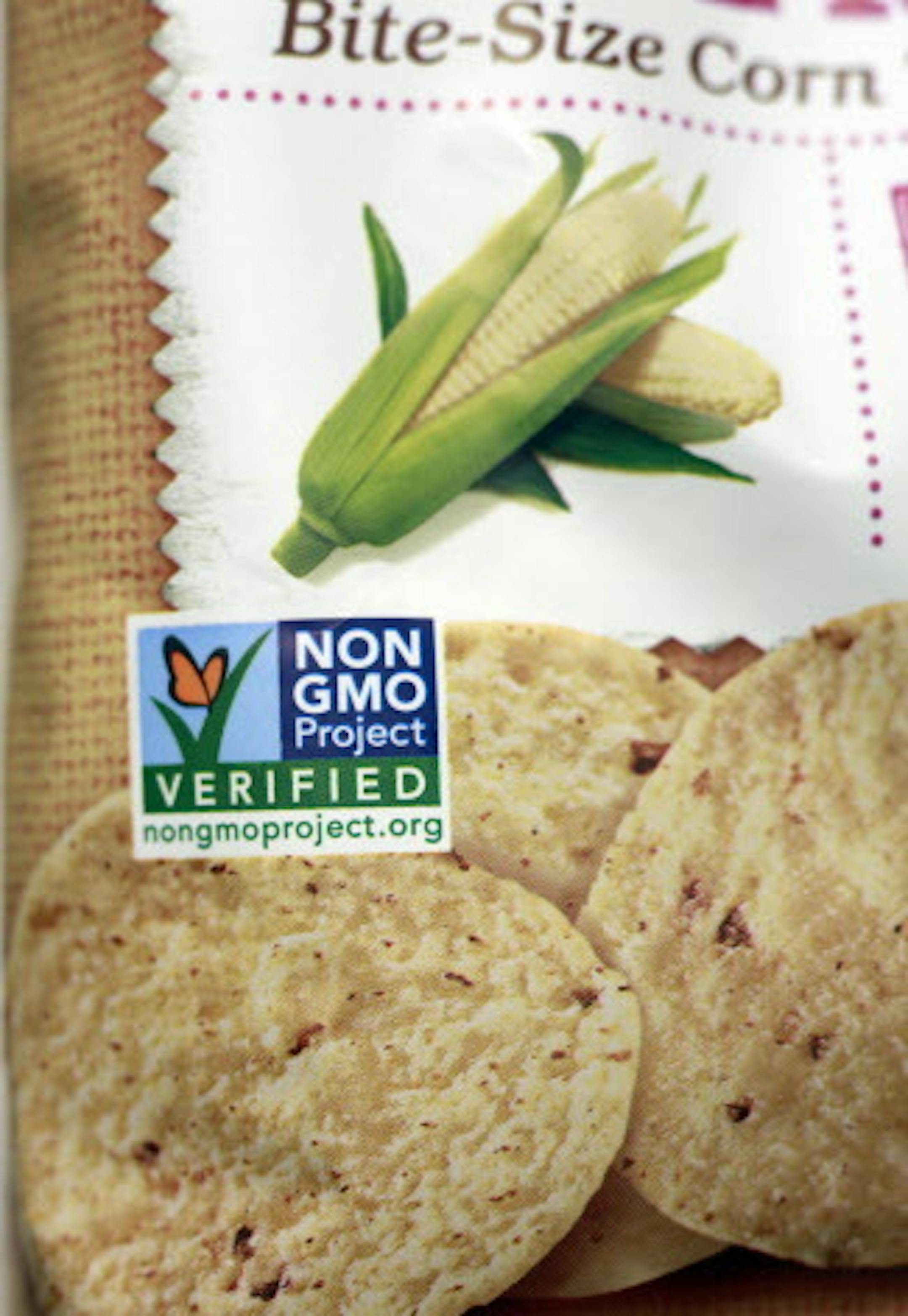
WASHINGTON — The Senate on Wednesday pushed forward a labeling bill that would require foods sold in the United States to reveal the presence of genetically modified organism, known as GMOs.
In a procedural vote that presaged almost certain passage, 65 senators — including Amy Klobuchar and Al Franken of Minnesota — agreed to close debate on legislation that would establish mandatory on-package designations of genetically engineered ingredients. That paves the way to an approval vote that needs only a simple majority to pass.
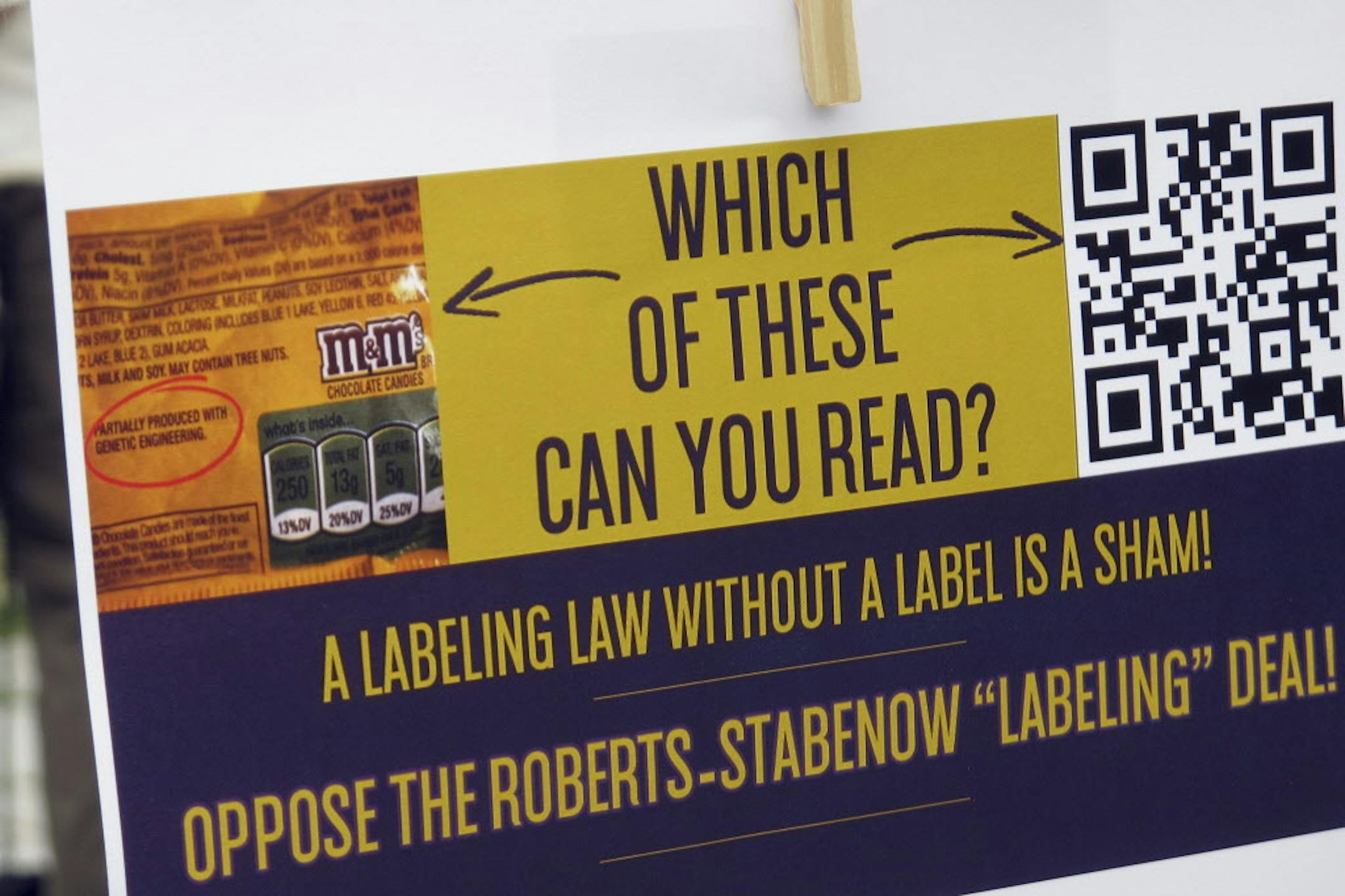
Shouts of protest from the Senate gallery accompanied the vote to close the GMO debate. They came from food labeling proponents who saw the bill as too friendly to big food and agriculture.
If passed and signed into law, the federal labeling bill will immediately ban state food labeling laws like one that took effect July 1 in Vermont and replace them with a national standard. But it will take two years to phase in.
Some Minnesota food companies and many in the state's agriculture industry pushed for a national ban on mandatory GMO labels, as well as a ban on state laws. But a proposal to do that did not pass in March. The result was a bipartisan compromise that food and agricultural interests, as well as some consumer groups, accepted.
"This is a true example of compromise," said Minnesota Farm Bureau President Kevin Paap, who wanted a voluntary GMO labeling standard. "Nobody got everything they wanted. But I think this package will provide consistency to consumers while protecting interstate commerce."
Hormel has called for the bill's passage since the compromise was announced two weeks ago. On Wednesday, the company praised the Senate for showing "strong, bipartisan support to provide American consumers with transparent, consistent, science-based product ingredient information."
Chris Policinski, president and CEO of Land O'Lakes Inc., lobbied personally against mandatory on-package GMO labels. But in a statement Wednesday, Policinski said he was "pleased with the Senate action today to advance a more robust and transparent conversation about food."